

Vitamins and minerals are easy to overlook until you start paying closer attention to your daily routine. Between busy mornings, skipped meals, takeout dinners, limited produce, picky eating, stress, travel, and long workdays, it is not always simple to eat a perfectly balanced diet every single day.
That is where supplements can be helpful. They are not meant to replace real food, but they can help fill nutritional gaps and support a more consistent wellness routine. For people who want a supplement that feels closer to the way they already think about food, whole food-based vitamins are worth considering.
Whole food-based vitamins are designed with nutrients that come from, or are paired with, food-based ingredients such as fruits, vegetables, herbs, algae, or plant sources. Instead of feeling like a completely separate category from nutrition, they can feel like a more natural extension of a healthy lifestyle.
Here is why more people are paying attention to whole food-based vitamins and minerals.
They Feel More Connected to Real Nutrition
A lot of people want to understand what they are putting into their bodies. That is one reason whole food-based vitamins have become more appealing. They often include ingredients people recognize, such as fruits, vegetables, herbs, or plant-based sources of nutrients.
For someone who already tries to eat more whole foods, this type of supplement can feel more aligned with their routine. It does not mean a supplement is the same as eating a full plate of vegetables, but it can make the habit feel more connected to everyday nutrition.
Instead of simply thinking, “I need a vitamin,” the mindset becomes, “I want nutrients that fit the way I try to eat.” That can make taking supplements feel less like a chore and more like part of a larger wellness routine.
They Can Help Fill Everyday Gaps
Even people who eat fairly well can have gaps in their diet. Maybe you do not eat enough leafy greens. Maybe you rarely eat seafood. Maybe your meals are inconsistent during the week. Maybe you eat plenty of healthy foods, but not always enough variety.
Whole food-based multivitamins can be a simple way to help cover the basics. They often include a blend of essential vitamins and minerals that support general wellness, energy metabolism, immune health, bone health, and overall daily nutrition.
The key is to think of supplements as support, not a substitute. A multivitamin cannot replace balanced meals, sleep, hydration, movement, and regular medical care. But it can be a practical addition when your routine is not perfect.
They May Appeal to People Who Prefer Plant-Based Ingredients
Many whole food-based vitamins are designed with plant-focused ingredients. This can be especially appealing for people who are vegetarian, vegan, or simply trying to choose more plant-based products.
For example, some brands source vitamin D3 from lichen instead of animal-derived sources. Others use mineral sources like marine algae for calcium. These details matter to shoppers who care about where ingredients come from and how a product fits their lifestyle.
Even if you are not fully plant-based, choosing supplements with plant-derived ingredients can feel like a cleaner, more intentional choice. It gives you another way to align your supplement routine with your personal preferences.
They Often Include Fruits and Vegetables
One of the biggest differences with many whole food-based supplements is the addition of fruit and vegetable blends. These may include ingredients like berries, citrus, carrots, spinach, broccoli, kale, or other plant foods.
This does not mean the supplement replaces eating fruits and vegetables. You still need real produce for fiber, hydration, volume, and the full benefits of a balanced diet. But fruit and vegetable blends can make the supplement feel more complete and food-focused.
For people who struggle with variety, this can be a helpful feature. It adds a broader nutritional feel to the product and can make the supplement seem less like a basic pill and more like part of an overall wellness habit.
They Fit a Cleaner Daily Routine
Many people are not just looking for “more vitamins.” They are looking for products that fit a cleaner daily routine. That may mean avoiding unnecessary fillers, choosing non-GMO ingredients, looking for organic fruit and vegetable blends, or selecting products without artificial colors or flavors.
Whole food-based vitamins often speak to that type of shopper. They are usually marketed toward people who read labels, compare ingredient sources, and want supplements that feel thoughtfully formulated.
This does not mean every whole food-based supplement is automatically better. You still need to read the label, check serving sizes, look at nutrient amounts, and choose products that match your actual needs. But for people who want a more ingredient-conscious supplement, whole food-based options can be a good place to start.
They Can Make a Daily Habit Feel More Intentional
The best supplement is not just the one with the longest label. It is the one you can actually take consistently and feel good about using.
Whole food-based vitamins can make the habit feel more intentional because they are often connected to broader lifestyle goals. Maybe you are trying to eat better, get more consistent with self-care, support your body during a busy season, or simplify your morning routine. Taking a daily vitamin can become a small anchor habit.
That matters because consistency is often where people struggle. A supplement routine does not need to be complicated. It just needs to be realistic. Keeping your vitamins near your breakfast area, coffee station, or daily planner can help make the habit easier to remember.
They Can Be Useful for Different Life Stages
Nutritional needs can change depending on age, diet, activity level, lifestyle, and health goals. Some people look for a basic daily multivitamin. Others may want extra support for bone health, hair and skin, prenatal nutrition, men’s health, women’s health, or healthy aging.
Whole food-based vitamins are available in many different formulas, so it is usually possible to find one that fits your stage of life or wellness goals. The most important thing is choosing a product that matches what you actually need.
More is not always better. Taking high amounts of certain vitamins or minerals may not be necessary and can sometimes be a problem, especially if you are taking medications or managing a health condition. If you are unsure, it is smart to ask a healthcare professional before starting a new supplement.
Naturelo Is a Good Example of This Category
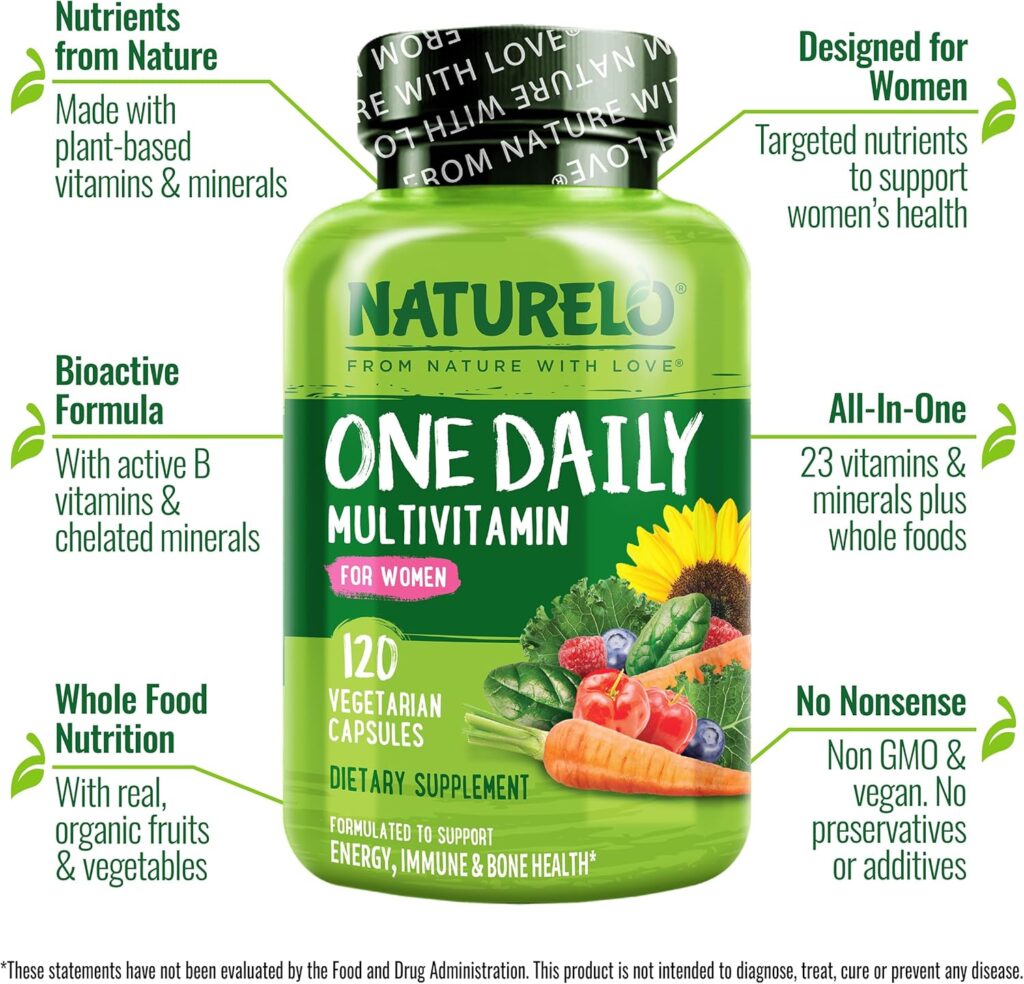
Naturelo is a premium dietary supplement brand that focuses on whole food-based vitamins and minerals. Its products are made with plant-based ingredient sources, such as vitamin D3 from lichen and calcium from marine algae, along with real organic fruits and vegetables. For shoppers who want supplements that feel more aligned with a clean, food-based wellness routine, Naturelo is a natural brand to consider.
They Encourage You to Look at Ingredient Sources
One benefit of shopping for whole food-based vitamins is that it encourages you to look beyond the front label. Instead of only asking, “How many vitamins are in this?” you start asking better questions.
Where does the vitamin D come from?
What form of calcium does it use?
Does it include organic fruits and vegetables?
Are the capsules vegetarian?
Does it avoid artificial colors or flavors?
Is it designed for my age, diet, or lifestyle?
These questions help you become a smarter supplement shopper. Even if you do not understand every ingredient at first, comparing labels helps you notice the differences between basic formulas and more thoughtful ones.
They Work Best Alongside Real Food
Whole food-based vitamins are helpful, but they should still be part of a bigger picture. The foundation of wellness is still what you eat most days, how much you sleep, how often you move, how you manage stress, and whether you keep up with regular healthcare.
A supplement can support your routine, but it cannot do everything by itself. The best approach is to use vitamins to fill gaps while still building meals around real foods like vegetables, fruit, protein, whole grains, healthy fats, and plenty of water.
Think of a supplement as a backup system. It can help support consistency, but it works best when the rest of your routine is moving in the right direction too.
What to Look for Before Buying
Before choosing a whole food-based vitamin, start with the basics. Look at the supplement facts panel, serving size, nutrient amounts, and ingredient list. Check whether the formula is designed for your age and needs. Make sure it does not include nutrients in amounts that are too high for you.
It can also help to look for third-party testing, clear sourcing information, and transparent labeling. A good supplement should make it easy to understand what you are taking.
If you are pregnant, breastfeeding, taking medication, managing a medical condition, or buying supplements for a child, talk to a healthcare professional first. Supplements can be helpful, but they should be chosen carefully.
Final Thoughts
Whole food-based vitamins are worth trying because they offer a more thoughtful approach to daily supplementation. They can help fill nutritional gaps, support a cleaner routine, and appeal to people who prefer plant-based or food-inspired ingredients.
They are not magic, and they do not replace a balanced diet. But they can be a smart addition to a daily wellness routine, especially if you want supplements that feel more connected to real nutrition.
For people who care about ingredient sources, plant-based nutrients, and a more natural approach to vitamins and minerals, whole food-based supplements are a category worth exploring. A better daily routine does not have to be complicated. Sometimes it starts with small, consistent choices that help you feel more supported every day.