A home can be beautifully furnished and still feel a little unfinished.
You can have the right sofa, a nice dining table, good lighting, and freshly painted walls, but if everything feels too coordinated or too new, the space can start to look more like a showroom than somewhere people actually live.
The difference usually comes down to personality.
Artwork, pillows, floor mats, books, photos, and other small details help make a space feel layered and personal. Brands like Stupell make this especially easy because they offer decorative pieces across several categories, including canvas wall art, art-covered pillows, and floor mats, so you can bring personality into more than just the walls.
You do not need to completely redecorate your home to get that lived-in feeling. A few thoughtful additions can make even a simple room feel warmer, more comfortable, and more like you.
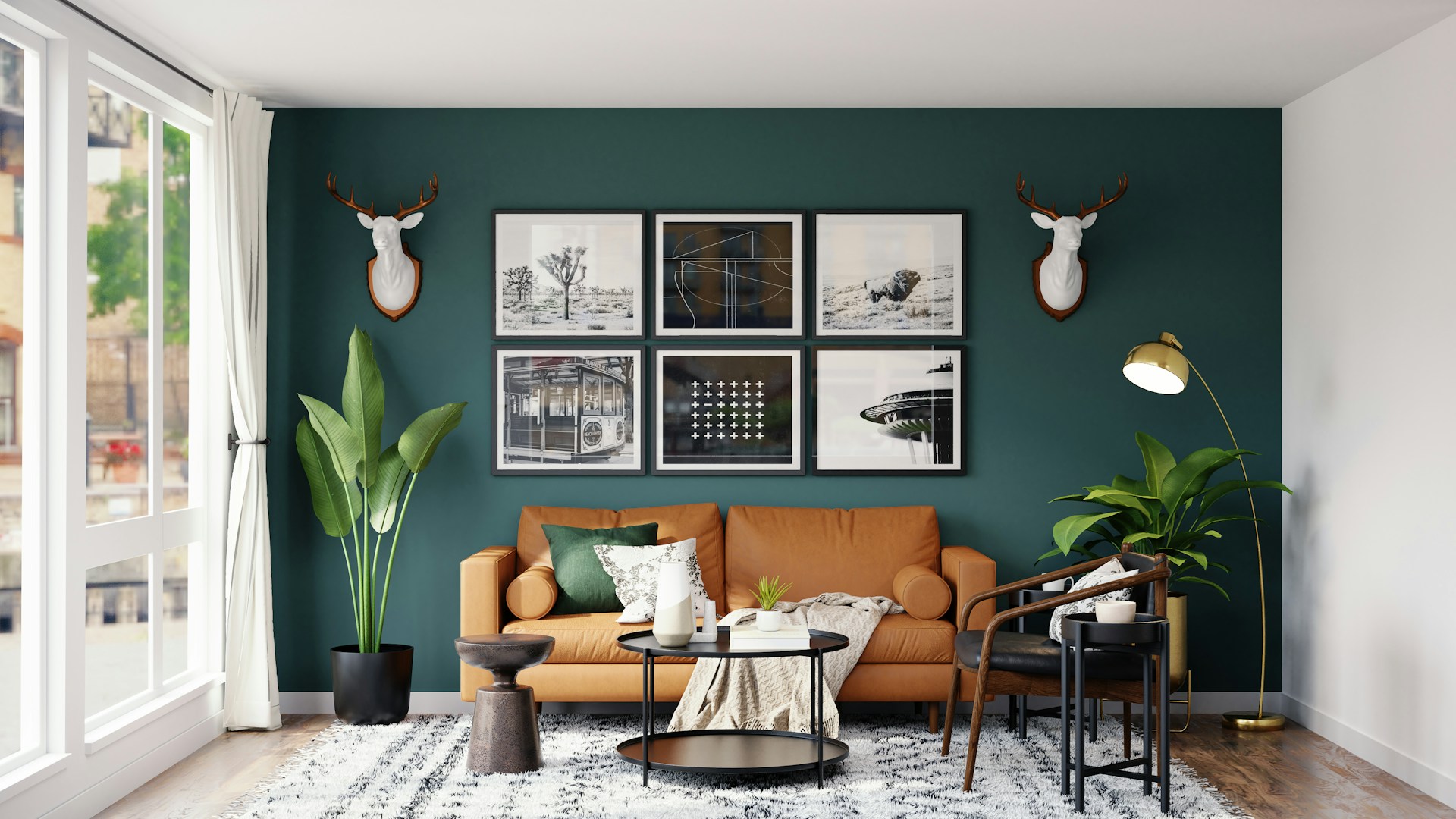
1. Start With Art That Actually Says Something
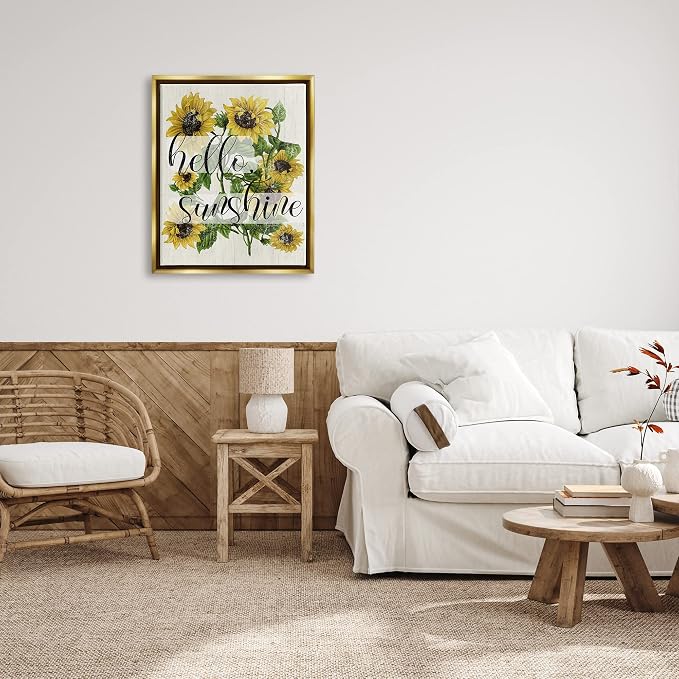
Blank walls are one of the fastest ways to make a room feel temporary.
Adding artwork instantly gives a space more personality and helps define the mood of the room.
This is one of the areas where Stupell works especially well. Their canvas art can become the focal point of a living room, bedroom, hallway, or entryway without requiring you to rethink the entire space.
Choose artwork based on what you actually enjoy rather than what you think you are supposed to hang.
That could mean landscapes, vintage-inspired prints, botanical art, abstract designs, typography, animals, travel themes, or something playful.
The important part is that it looks intentional and feels like something you would actually choose for yourself.
Artwork can also give you a color palette to build around. A few shades from a canvas can be repeated in pillows, rugs, or smaller accessories so the room feels connected without looking overly matched.
2. Carry the Personality Beyond the Walls
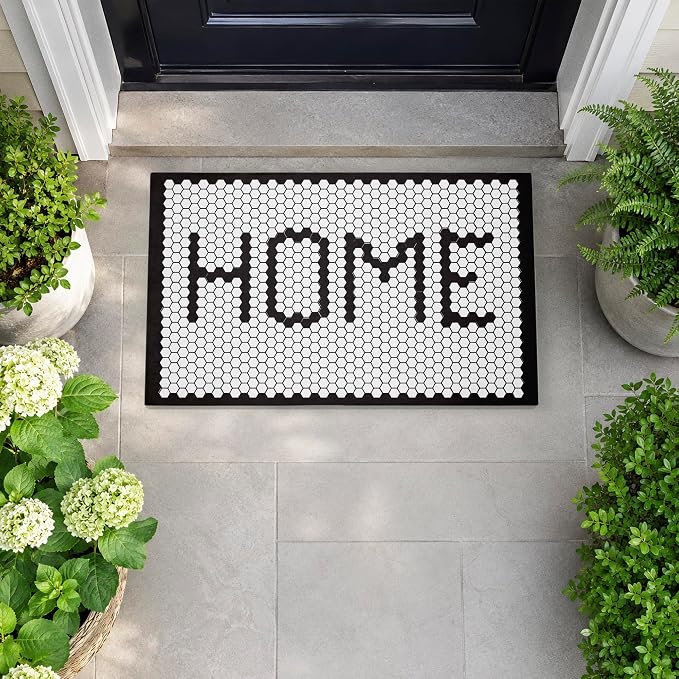
One of the easiest ways to make a home feel more layered is to repeat your style in different places.
If you find a piece of artwork you love, do not stop at the wall.
Stupell also offers decorative pillows and floor mats with artistic designs, which makes it easy to carry that same personality into the furniture and entryways.
A neutral sofa, for example, can feel completely different with a few patterned or illustrated pillows.
A decorative floor mat can make a front door, kitchen, or hallway feel less generic.
These are small changes, but they help create the impression that the space has been put together over time rather than all at once.
3. Stop Trying to Make Everything Match Perfectly
One reason some homes feel overly staged is that everything matches too well.
The wood tones are identical. The pillows all came in the same set. Every frame is the same color. The accessories look like they were purchased together in one afternoon.
A more lived-in space usually has some variation.
That does not mean the room should look random. It simply means allowing different pieces to work together instead of expecting them to be identical.
Mixing a few frame styles, materials, patterns, or tones can make the room feel more natural.
For example, a traditional piece of art can work next to a modern lamp. A patterned pillow can sit beside a solid one. Dark wood can coexist with lighter wood if the overall room still feels balanced.
The goal is coordination, not perfect matching.
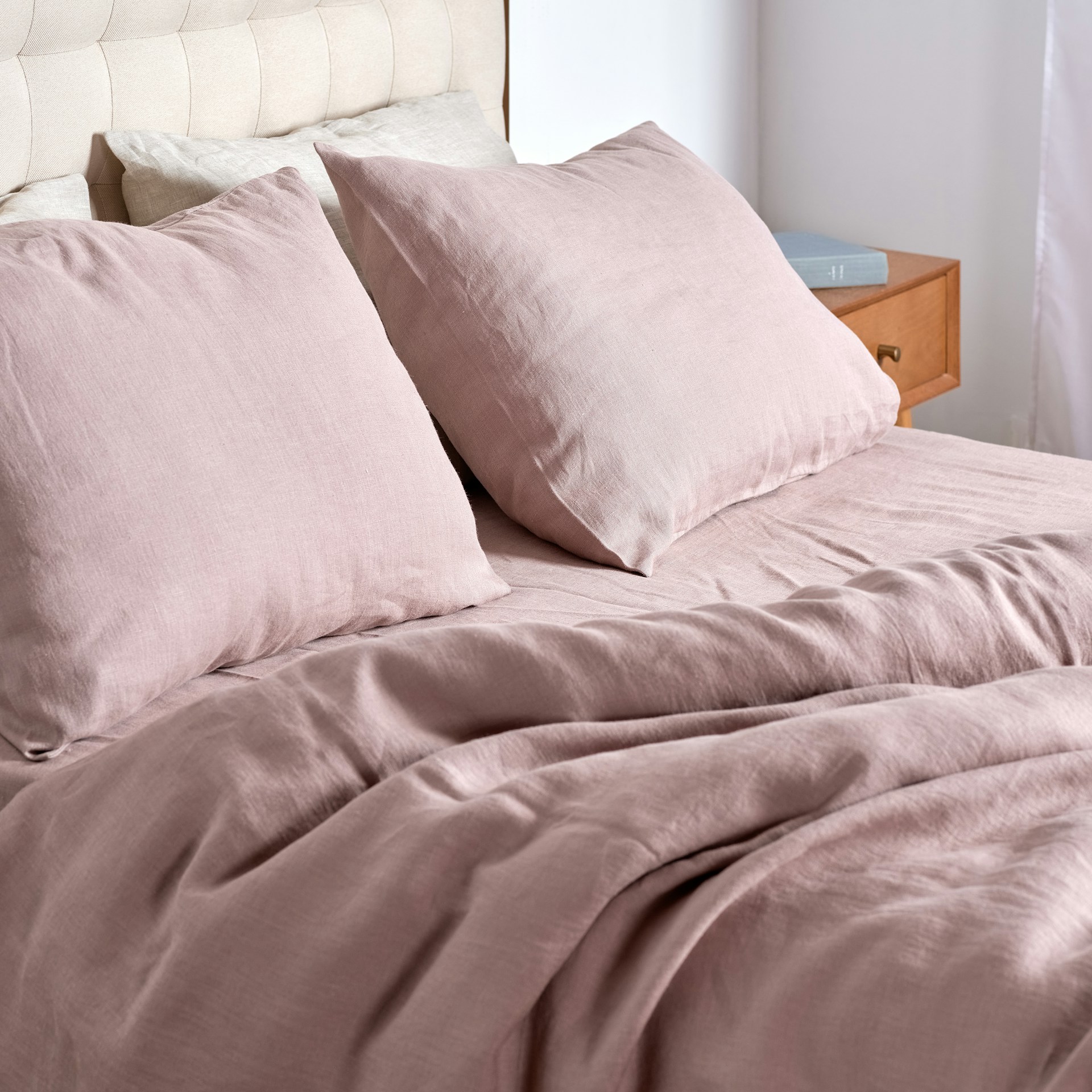
4. Use Pillows to Break Up Large Furniture
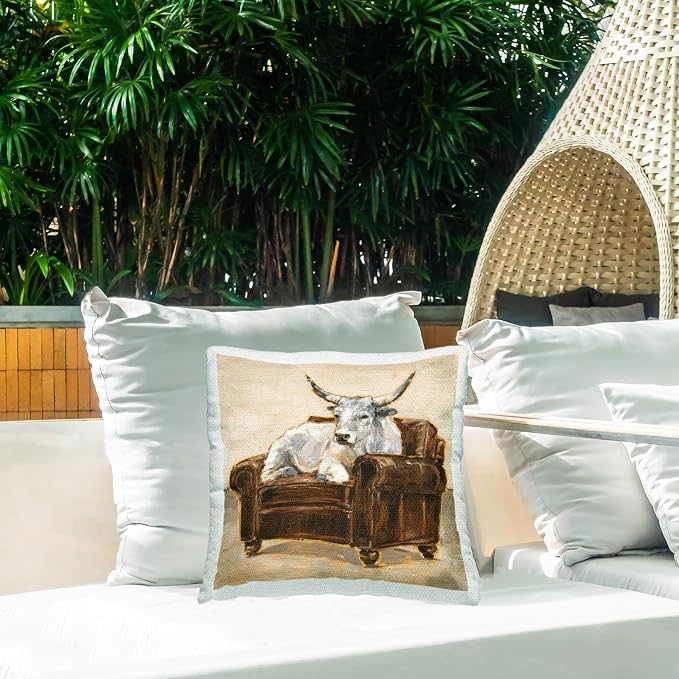
Large sofas and beds take up a lot of visual space.
Without anything on them, they can make a room feel flat.
Decorative pillows are one of the easiest ways to add softness and personality without making a permanent change.
Mix solids with patterns or artwork, and vary the sizes slightly so everything does not feel too uniform.
You also do not need a mountain of pillows.
A few well-chosen ones are usually enough.
If your furniture is neutral, this is a good place to introduce more interesting colors or graphics. If the room already has a lot going on, keep the pillows simpler and use them to repeat colors that already appear elsewhere.
5. Make the Entryway Feel Like Part of the Home
Entryways are easy to ignore because you usually pass through them quickly.
But they are the first part of the home you see when you walk in.
A floor mat, small piece of artwork, mirror, plant, tray, or lamp can make even a compact entrance feel more intentional.
This is another place where something practical can also be decorative.
An artistic floor mat, for example, can do its job while also adding a bit of color and personality right at the front door.
It immediately makes the entrance feel less generic.
6. Leave Some Evidence of Daily Life
A lived-in home should actually look lived in.
You do not need to hide every book, blanket, or personal item.
A book on the coffee table, a blanket draped over a chair, framed family photos, a favorite mug, or a stack of magazines can make a room feel more comfortable.
The key is keeping these items intentional rather than letting them turn into clutter.
There is a big difference between a few personal objects and piles of things with nowhere to go.
Think of it as controlled imperfection.
A home should feel comfortable enough that someone could actually sit down and use it.
7. Add Texture
Rooms that rely heavily on hard surfaces can feel cold even when the colors are warm.
Texture helps fix that.
Add a soft throw, woven basket, textured pillow, linen curtain, wooden object, or upholstered bench.
Mixing materials creates depth and keeps a room from feeling too flat.
You can also use texture to soften modern spaces. If your furniture has clean lines and smooth surfaces, adding fabric and natural materials can make the room feel much more comfortable.
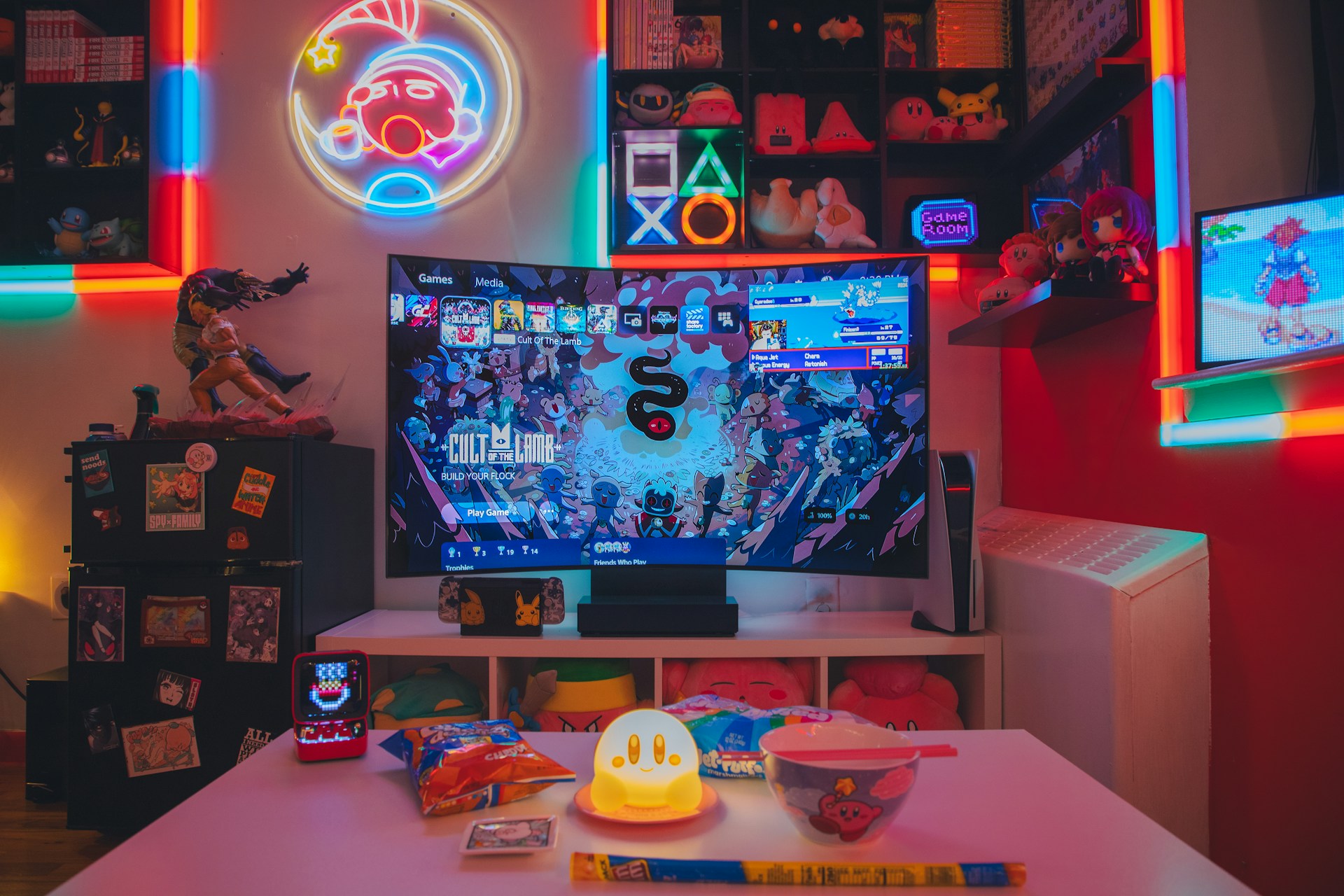
8. Let Your Interests Show
The easiest way to make a home feel personal is to actually put your interests into it.
If you love travel, display photographs or art from places you have visited.
If you love animals, there is nothing wrong with using animal artwork.
If you enjoy vintage style, bring in pieces that have an older look.
If bright color makes you happy, use it.
You do not need every decorative choice to impress someone else.
The spaces that feel most memorable are usually the ones where you can tell something about the people who live there.
9. Build the Room Slowly
You also do not need to finish an entire home at once.
In fact, rooms often feel more natural when they are built gradually.
Start with the basics and then add things as you find them.
Maybe you begin with a Stupell canvas you really like. Later, you add a pillow that picks up one of the colors in the artwork. Then you find a floor mat, lamp, or accessory that works with the rest.
Over time, the room starts to feel layered instead of assembled.
Final Thoughts
Making a home feel lived-in is less about buying more things and more about choosing the right things.
Artwork, decorative pillows, floor mats, books, photos, textures, and personal objects all help give a space character.
Stupell is a good example of how a few artistic pieces can make a room feel more personal without requiring a full redesign.
The goal is not to make your house look perfect.
It is to make it feel familiar, comfortable, and distinctly yours.