
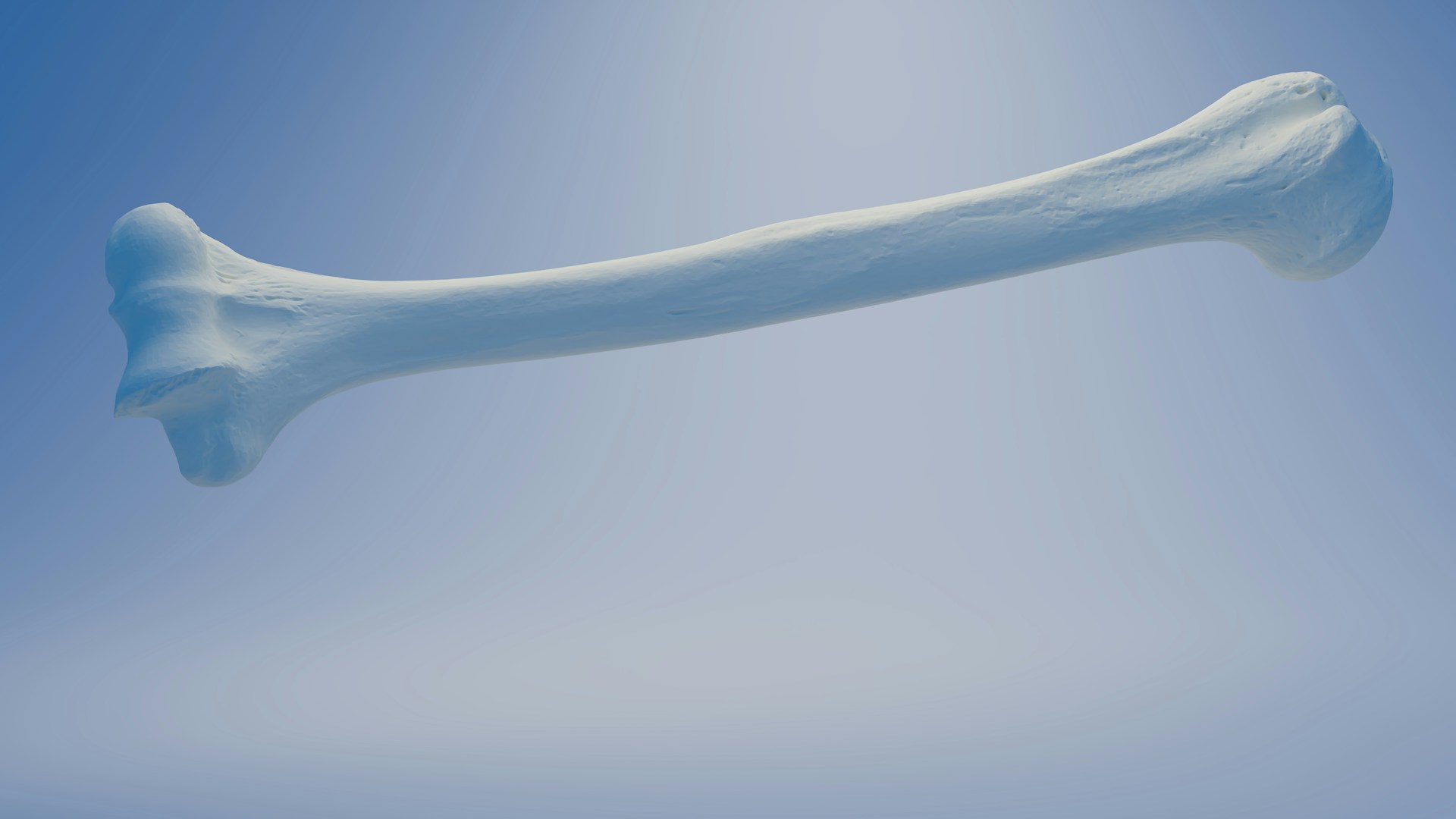
Bone health is one of those wellness topics that can be easy to ignore when everything feels normal. Unlike energy levels, digestion, sleep, or muscle soreness, your bones do not usually send obvious daily signals when something is changing. You may feel perfectly fine while bone density slowly declines in the background.
That is why bone density becomes more important as you get older. It is not just about avoiding problems later in life. It is about understanding that bones are living tissue, and they need consistent support over time.
Most people think about bones as something solid and unchanging, but your body is constantly breaking down old bone and rebuilding new bone. When you are younger, the body is usually better at building and maintaining bone. As you age, that balance can shift. Bone breakdown may begin to outpace bone rebuilding, which can lead to weaker bones over time.
This matters because lower bone density can increase the risk of fractures, especially in areas like the hips, spine, and wrists. For many adults, the first sign of a bone density issue is not pain or discomfort. It may be a fracture that happens from a minor fall or everyday movement. That is why paying attention to bone health before there is an obvious problem can be so valuable.
What Bone Density Actually Means
Bone density refers to how much mineral content is packed into your bones. The denser the bone, the stronger and more resilient it generally is. When bone density drops, bones can become thinner, weaker, and more fragile.
This is the reason bone density is often discussed alongside osteoporosis. Osteoporosis is a condition where bones become weak enough that they are more likely to break. But bone health is not something that only matters after a diagnosis. Many adults can benefit from thinking about bone density earlier, especially as part of a long-term wellness routine.
Bone density can be influenced by age, genetics, hormones, nutrition, exercise habits, lifestyle, medications, and certain health conditions. Some factors are outside your control, but many daily habits can still play a meaningful role in supporting healthy bones.
Why Bone Density Becomes More Important With Age

Bone mass usually builds during childhood, the teen years, and early adulthood. After that, the goal becomes maintaining as much bone strength as possible. As people move through adulthood, bones naturally change. Hormonal changes, lower activity levels, and nutrient gaps can all make bone support more important.
For women, bone density can become a bigger concern around menopause because estrogen plays a role in protecting bone. When estrogen levels decline, bone loss may happen more quickly. Men can also experience bone loss with age, even though it is sometimes talked about less often. Bone density matters for both women and men because fractures can affect mobility, independence, and quality of life.
This is why bone health should not be treated as an “older person problem.” The habits you build in your 30s, 40s, 50s, and beyond can help support your body over time. It is much easier to build a bone-friendly lifestyle before you are forced to think about it.
The Silent Nature of Bone Loss
One reason bone density is so important is that low bone density usually does not feel dramatic at first. You can have weaker bones without noticing daily symptoms. There may be no obvious warning sign until a fracture happens.
That silent nature is what makes prevention-minded habits so important. Just because bones are not currently causing discomfort does not mean they do not need support. In fact, the best time to care about bone health is often before it feels urgent.
This is especially true for adults who have risk factors such as a family history of osteoporosis, low body weight, smoking, heavy alcohol use, long-term steroid use, low calcium intake, vitamin D deficiency, certain digestive disorders, or a history of fractures. Anyone concerned about their risk should speak with a healthcare provider about whether a bone density scan or additional evaluation makes sense.
Strength Training Is a Great Place to Start
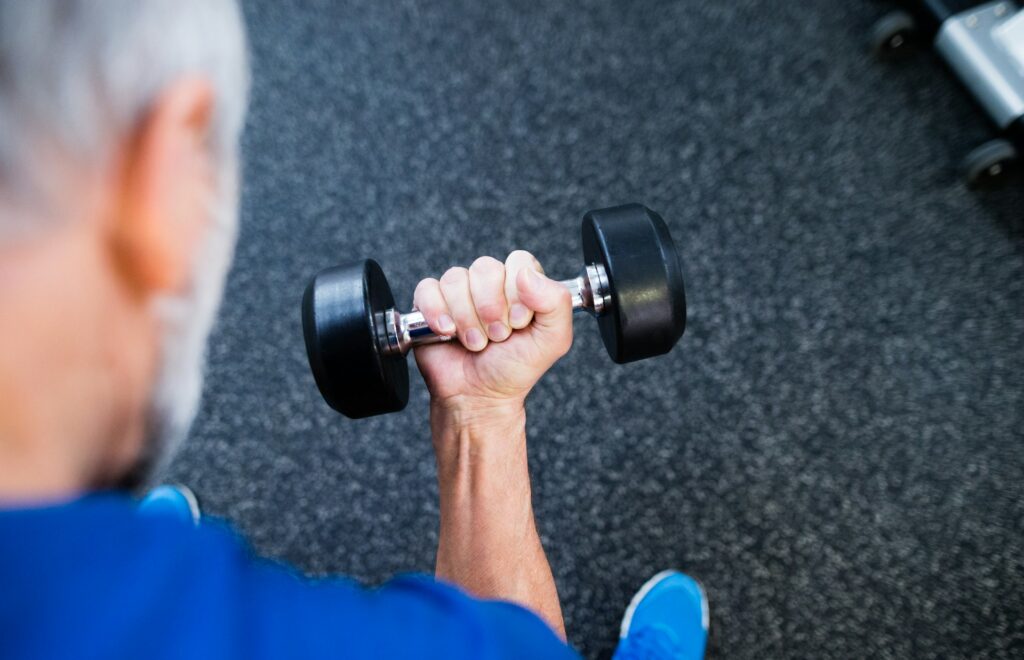
When people think about bone health, they often think about calcium first. Calcium matters, but exercise is also a major part of the conversation. More specifically, consistent weight training can be one of the best places to start when building a stronger bone support routine.
Bones respond to stress in a good way. When you challenge your body through resistance training, your muscles pull on your bones. That mechanical stress signals the body to maintain and build strength. This is one reason weight-bearing and muscle-strengthening exercises are often recommended for bone health.
The key word is consistency. One workout will not transform bone density overnight. But a steady routine can help support bones, muscles, balance, posture, and overall strength. Those benefits matter because fracture risk is not only about bone density. Falls also play a major role. Stronger muscles and better balance can help reduce the chance of falling in the first place.
Weight training does not have to mean extreme lifting. For beginners, it can start with bodyweight squats, step-ups, resistance bands, light dumbbells, wall push-ups, or guided strength classes. Over time, the goal is usually progressive resistance, which means gradually challenging the body more as strength improves.
A simple routine two to three times per week can be a realistic starting point for many adults. Exercises that target the legs, hips, back, core, and upper body can all support a more functional foundation. Anyone with osteoporosis, low bone density, balance issues, joint problems, or a history of fractures should check with a healthcare provider or physical therapist before starting a new routine, especially if they plan to lift heavier weights or do higher-impact movements.
Walking Helps, But Strength Training Adds Something Different
Walking is still a great habit. It supports heart health, circulation, mobility, and overall wellness. It is also weight-bearing, which makes it more bone-friendly than completely non-weight-bearing activities.
However, walking alone may not challenge the bones enough for every adult, especially once the body adapts to it. That is where strength training can add something different. Lifting, pushing, pulling, squatting, stepping, and carrying all create resistance that asks the muscles and bones to work harder.
A well-rounded bone health routine can include walking, strength training, balance work, mobility, and enough recovery. The goal is not to do everything perfectly. It is to create a routine your body can repeat over time.
Nutrition Still Matters

Exercise is important, but bones also need the right nutritional building blocks. Calcium is one of the most well-known nutrients for bone health because it helps form and maintain bone structure. If you do not get enough calcium from your diet, your body still needs calcium for important functions, so it may pull calcium from bones over time.
Dairy foods like yogurt, milk, and cheese are common calcium sources, but they are not the only options. Leafy greens, fortified plant milks, tofu made with calcium, canned salmon or sardines with bones, and fortified foods may also help. The challenge is that many adults do not consistently track their calcium intake, so it is easy to assume they are getting enough when they may not be.
Vitamin D also matters because it helps the body absorb calcium. Without enough vitamin D, even a calcium-rich diet may not be used as effectively. Magnesium and vitamin K2 are also commonly discussed in bone health conversations because they play supporting roles in mineral balance and bone metabolism.
This is why many people are moving away from thinking about calcium in isolation. A smart bone support routine often looks at the bigger picture: diet, exercise, vitamin D status, lifestyle habits, and whether a supplement may help fill gaps.
Where a Calcium Supplement Can Fit
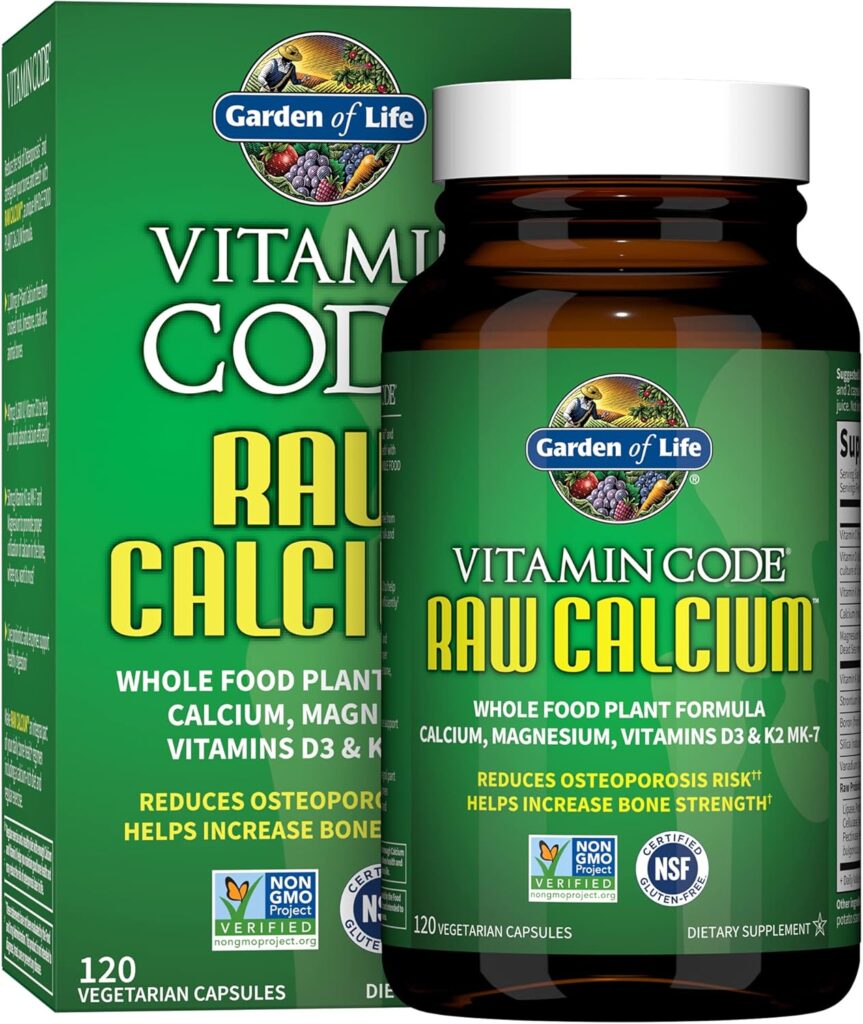
Food should usually be the foundation of any nutrition routine, but supplements can be helpful for people who struggle to get enough key nutrients consistently. This is where a product like Garden of Life Raw Calcium Supplement for Women and Men can fit into a bone support routine.
Garden of Life Raw Calcium is designed for adults who want more than a basic calcium-only supplement. It is made from whole foods and includes calcium along with magnesium, vitamin K2, vitamin D3, vitamin C, and probiotics for digestion. That combination makes it a more complete option for people who are trying to support bone health from multiple angles.
The benefit of a supplement like this is convenience. Instead of trying to piece together several different products, it gives adults a way to add calcium support alongside other nutrients often associated with bone health. For someone who is already making changes like strength training, improving protein intake, getting more sunlight when appropriate, and eating a balanced diet, a calcium supplement can be one more supportive habit.
It is important to be clear that calcium supplements are not a treatment or cure for osteoporosis. They also should not be used as a replacement for medical care, bone density testing, or prescribed treatment when those are needed. But for adults who are thinking proactively about their bones, making sure they get enough calcium and related nutrients can be a smart part of the conversation.
Before starting any new supplement, it is a good idea to check with a healthcare provider, especially for people with kidney disease, a history of kidney stones, high calcium levels, heart conditions, thyroid or parathyroid issues, or anyone taking medications that may interact with calcium or vitamin D.
Other Habits That Support Bone Health

Bone density is influenced by more than one habit. Strength training and calcium intake are important, but they work best as part of a bigger lifestyle pattern.
Protein is important because bones and muscles both rely on it. Getting enough protein can support muscle strength, recovery, and healthy aging. Sleep also matters because the body repairs and regulates itself during rest. Smoking can negatively affect bone health, and heavy alcohol use can increase fracture risk, so reducing those habits can be helpful.

Balance training is another overlooked piece. As adults age, fall prevention becomes a major part of protecting bones. Simple practices like single-leg stands, controlled step-ups, tai chi, yoga, or balance-focused physical therapy can help improve stability. The stronger and steadier you are, the more protected your bones may be in everyday life.
Posture and core strength also matter, especially for the spine. A strong back and core can help support alignment and make daily movement feel easier. That does not mean people need complicated routines. It means the basics, done consistently, can add up.
When to Talk to a Healthcare Provider

Adults should consider talking with a healthcare provider about bone density if they have risk factors, a family history of osteoporosis, previous fractures, long-term medication use that affects bone health, early menopause, digestive conditions that affect nutrient absorption, or concerns about calcium or vitamin D levels.
A bone density scan can help measure bone mineral density and give a clearer picture of risk. Bloodwork may also help identify nutrient deficiencies or other health issues that could affect bones. Personalized guidance matters because the right plan can vary from person to person.
Some people may need lifestyle changes only. Others may need supplements, physical therapy, medication, or closer monitoring. The important thing is not to guess. Bone health is easier to manage when you have a better understanding of where you stand.
Final Thoughts
Bone density matters more as you get older because strong bones help support movement, independence, and long-term quality of life. The challenge is that bone loss can happen quietly, which means many adults do not think about it until there is already a concern.
The good news is that bone support does not have to be complicated. Consistent weight training is a great place to start because it helps challenge the bones, build muscle, improve balance, and support overall strength. Nutrition matters too, especially getting enough calcium, vitamin D, magnesium, and other bone-supporting nutrients.
For adults who want a convenient way to support their daily calcium routine, Garden of Life Raw Calcium Supplement for Women and Men offers a whole-food calcium option with magnesium, K2, vitamin D3, vitamin C, and probiotics for digestion. Paired with strength training, balanced nutrition, and smart lifestyle habits, it can be part of a more thoughtful approach to long-term bone health.
Your bones may not ask for attention every day, but they are working for you every day. Paying attention to bone density now is one of the simplest ways to invest in how you want to move, feel, and live as you get older.