
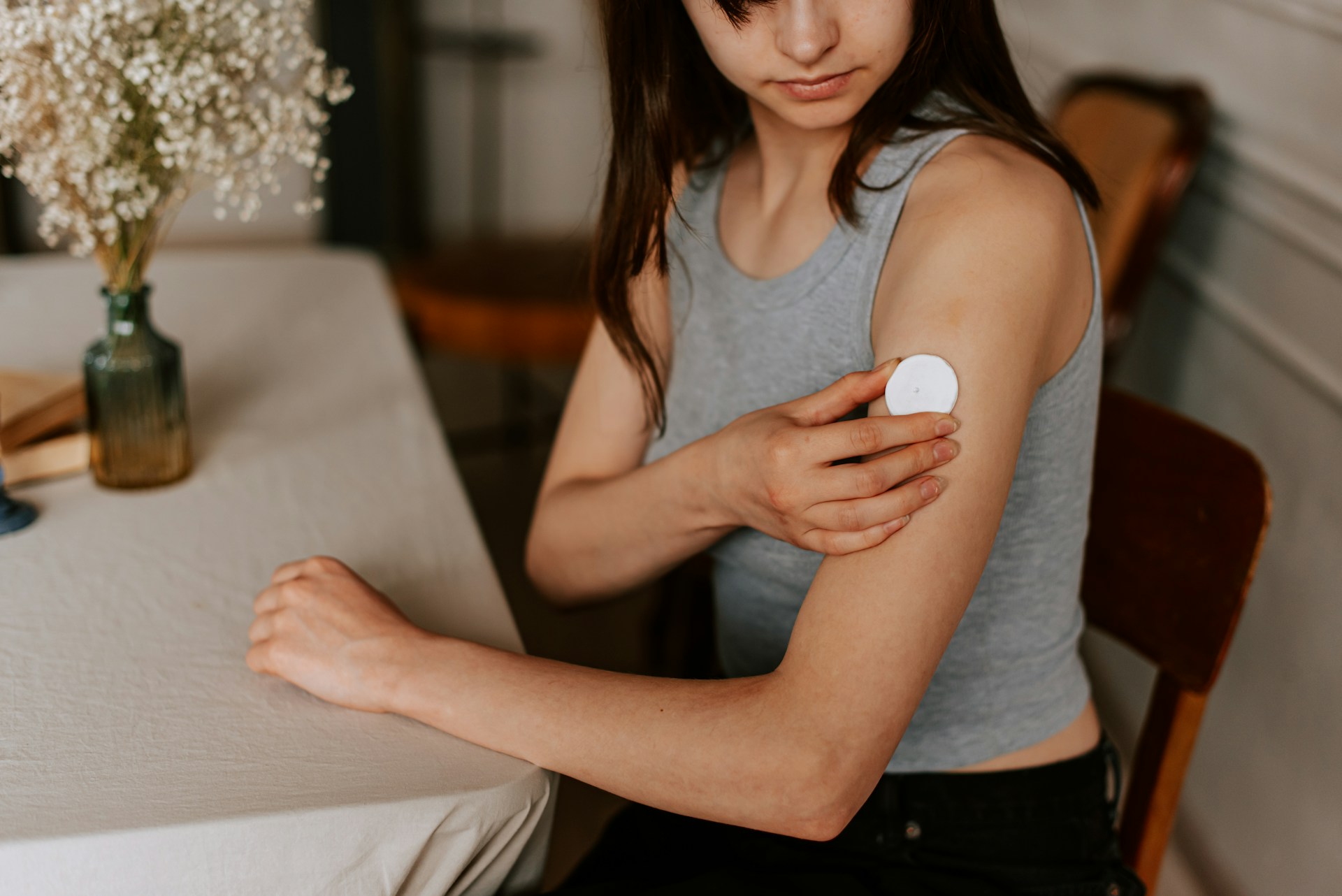
Wearing a continuous glucose monitor can make daily tracking much easier, but keeping the sensor secure is not always as simple as putting it on and forgetting about it. Sweat, showers, workouts, clothing, sleep, humidity, and everyday movement can all cause adhesive edges to lift earlier than expected.
That can be frustrating, especially when your CGM is supposed to stay in place for several days. The good news is that a few simple habits can help your sensor feel more secure throughout the day. From better skin prep to protective adhesive patches, small changes can make a big difference in how well your CGM stays put.
Here are practical ways to help keep your CGM sensor secure from morning to night.
Start With Clean, Dry Skin
The way you prep your skin before applying a CGM matters. Oils, lotion, sunscreen, sweat, and soap residue can make it harder for adhesive to stick properly. Before applying your sensor, choose a clean area of skin and make sure it is fully dry.

It can help to wash the area gently, dry it well, and avoid applying lotion or body oil nearby before placement. If you are applying the sensor after a shower, wait until your skin is completely dry and cool. Warm, damp skin can make adhesive less reliable.
This step seems simple, but it is one of the most important parts of getting a better hold from the start.
Choose a Spot That Works With Your Routine
A sensor is more likely to lift if it is placed somewhere that rubs against clothing, waistbands, backpack straps, seat belts, or workout gear. Placement should follow your CGM instructions, but within the approved areas, think about how your body moves throughout the day.
For example, if a certain spot constantly catches on sleeves or bedding, that may not be the best location for you. A better placement area can help reduce pulling, friction, and accidental bumps.
The goal is to choose a spot that fits both the device guidelines and your daily life.
Avoid Lotion Around the Adhesive
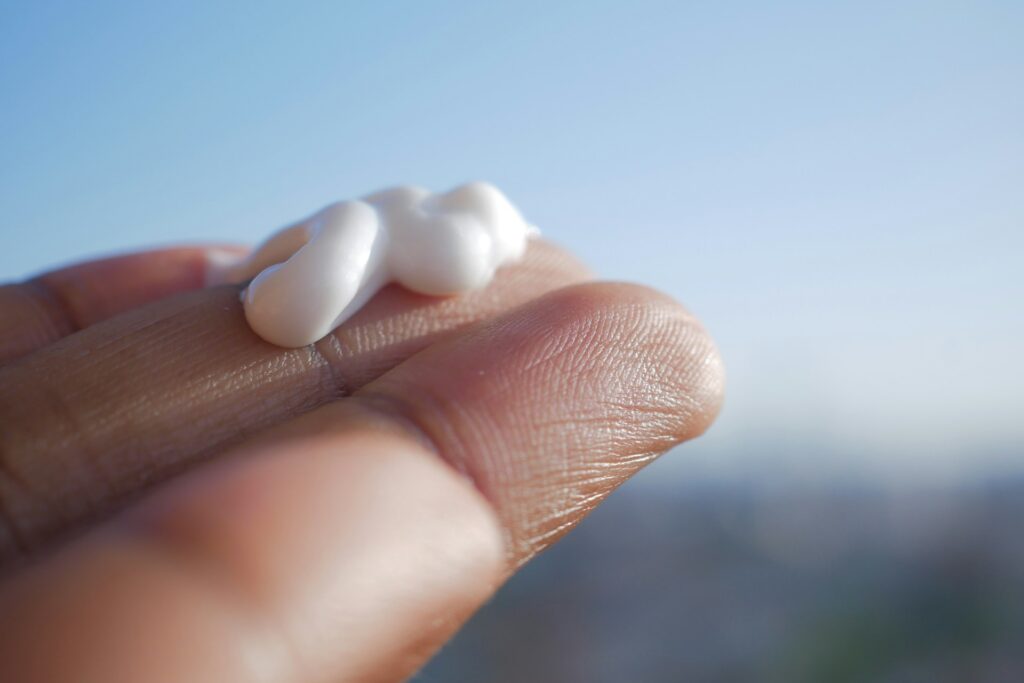
Moisturizing is great for skin, but lotion can interfere with adhesive. If you use body lotion, sunscreen, oils, or creams, try to keep them away from the area where your CGM sits.
This is especially important during the first day of wear, when the adhesive is settling. Even a small amount of product around the edges can make it easier for the patch to lift.
If you need to apply sunscreen or lotion nearby, work carefully around the sensor instead of rubbing product over it.
Give the Adhesive Time to Set
Adhesives often perform better when they have time to bond to the skin before heavy activity. If possible, apply your CGM or overpatch when you are not about to immediately shower, swim, exercise, or sweat.
Some people prefer applying their sensor or adhesive patch before bed so it has time to settle overnight. This can be especially helpful if your days are active or you live in a warm climate.
Giving the adhesive time to set can help reduce early lifting and make the sensor feel more secure the next day.
Use an Adhesive Patch for Extra Hold
One of the easiest ways to help protect a CGM sensor is by using an adhesive patch designed to go over or around the device. These patches add an extra layer of support, helping keep the sensor in place during daily movement, workouts, showers, and sleep.
A CGM adhesive patch can also help protect the sensor from catching on clothing or bedding. Instead of the device edges being exposed, the patch helps smooth and secure the area around it.
This can be especially useful for people who are active, sweat often, swim, travel, or have had sensors peel up too early in the past.
A Helpful Option: Skin Grip Adhesive Patches
Skin Grip makes adhesive patches designed to help keep CGM sensors secure during everyday life. Their patches are made for people who want extra support around their device without making the routine complicated.
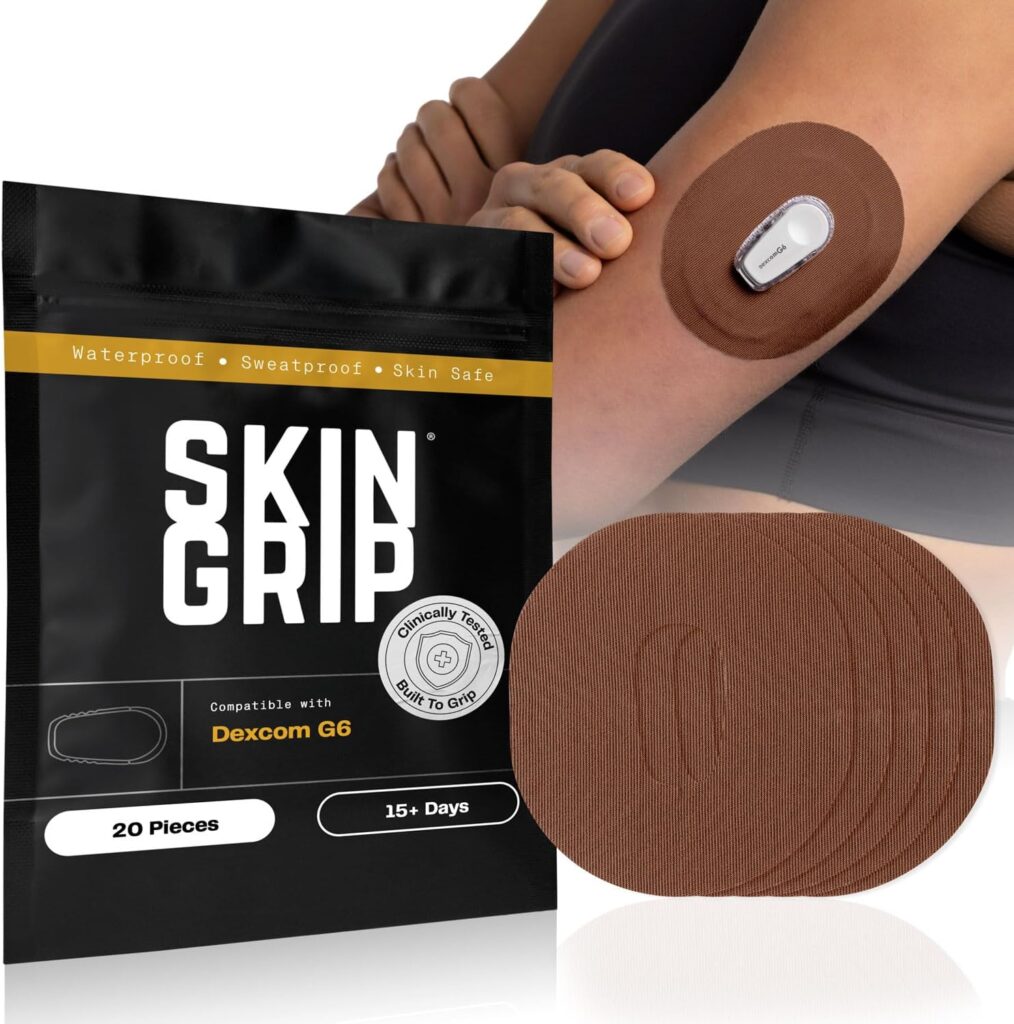
For example, Skin Grip offers adhesive patches compatible with Dexcom G6 sensors. These patches are designed to help hold the device firmly in place and provide extra protection against lifting, loosening, or peeling. They are also made to handle water, sweat, exercise, showers, and active days, which makes them useful for people who do not want their sensor getting in the way of their routine.
The patches are breathable, skin-friendly, and pre-cut to fit the device. They are also designed with stretch, which helps them move more naturally with the body. That flexibility matters because a CGM is worn throughout the day, not just while sitting still.
For anyone who has had trouble keeping a CGM attached through workouts, sleep, warm weather, or daily movement, a patch like Skin Grip can be a simple way to add more security and peace of mind.
Blot Dry After Water Exposure
If your CGM patch gets wet from a shower, swim, or heavy sweating, avoid rubbing it aggressively with a towel. Rubbing can lift the edges and weaken the adhesive.
Instead, gently blot the area dry. Press lightly with a towel and let the patch air dry the rest of the way. This small habit can help protect the adhesive and prevent unnecessary peeling.
Waterproof or sweat-resistant patches are helpful, but how you treat them after water exposure still matters.
Watch for Edge Lifting Early
If the edge of your adhesive starts lifting, do not ignore it. Small lifting can turn into bigger peeling if it catches on clothing or bedding.
Some people use adhesive support products or patch reinforcement to help manage lifting edges. The key is to address it early before the sensor becomes loose.
Try not to pick at the adhesive, even if a corner starts to lift. Pulling at it can make the problem worse.
Be Careful With Tight Clothing and Gear
Tight sleeves, athletic wear, compression clothing, backpacks, purses, and seat belts can all rub against a CGM sensor. This does not mean you have to avoid those things completely, but it helps to be aware of where your sensor is placed.
When getting dressed, try not to drag clothing over the sensor. When sleeping, pay attention to whether you tend to roll onto that area. During workouts, check whether straps or equipment are pressing against it.
A little extra awareness can help prevent accidental pulls.
Keep Backup Patches Ready
If you rely on your CGM daily, it makes sense to keep extra adhesive patches available. Store a few at home, in a gym bag, travel bag, or diabetes care kit so you are not caught without one when you need it.
This is especially useful during travel, outdoor activities, beach days, or long workdays. Having an extra patch nearby can make it easier to protect your sensor without interrupting your plans.
Final Thoughts
Keeping a CGM sensor secure all day comes down to preparation, placement, and protection. Clean, dry skin helps the adhesive start strong. Smart placement reduces rubbing and pulling. Giving the adhesive time to set can improve wear. And using a CGM adhesive patch can add another layer of support during workouts, showers, sleep, and daily life.
For people who want extra security, Skin Grip adhesive patches are a practical option designed to help CGM sensors stay in place through active routines. They can be especially helpful if sweat, water, movement, or clothing have caused issues in the past.
A CGM is meant to support your daily routine, not constantly distract you. With the right habits and the right patch, it can feel easier to keep your sensor secure from morning to night.