
Everyday aches can be confusing.
One day your shoulders feel tight after sitting at a desk for too long. Another day your lower back feels sore after lifting something awkwardly. Your legs may ache after a workout, your neck may feel stiff after sleeping in a strange position, or your knees may feel irritated after a long walk.
When discomfort shows up, most people ask the same question: should I use heat or ice?
It sounds simple, but the answer depends on what kind of discomfort you are dealing with. Heat and ice can both be useful, but they work in different ways. Using the right one at the right time can make your at-home recovery routine feel much more effective.
The good news is that you do not need to be an athlete or a medical expert to understand the basics. For most everyday soreness, the choice comes down to whether the area feels newly irritated and inflamed, or stiff, tight, and achy.
The Simple Rule: Ice for New Irritation, Heat for Tightness
A helpful way to remember the difference is this:
Ice is usually better for newer aches that involve swelling, sharp soreness, irritation, or a recent strain.
Heat is usually better for tight, stiff, tense, or lingering muscle aches.
That does not mean the rule is perfect every single time, but it is a useful starting point.
Ice helps calm things down. Heat helps loosen things up.
So if your ankle feels irritated after twisting it, your knee feels puffy after activity, or your shoulder suddenly feels sore after overdoing it, ice may make more sense early on.
If your back feels tight from sitting, your neck feels stiff after sleeping awkwardly, or your shoulders feel tense after a long day, heat may feel more helpful.
Understanding that difference can make it much easier to choose the right option instead of guessing.
When Ice Makes More Sense

Ice is often used when discomfort feels fresh, sharp, swollen, or irritated.
For example, if you recently strained a muscle, bumped your knee, rolled your ankle, or aggravated an area during exercise, ice can help numb the area and reduce the feeling of inflammation. It is especially useful when the area feels warm, swollen, or tender.
This is why athletes often reach for ice after a tough workout, a hard run, or a minor strain. The goal is not to freeze the area completely. The goal is to calm the irritation and make the discomfort more manageable.
Ice may also be helpful after a long day on your feet if your legs feel inflamed or puffy. The same goes for a sore knee or shoulder that feels irritated after activity rather than simply tight.
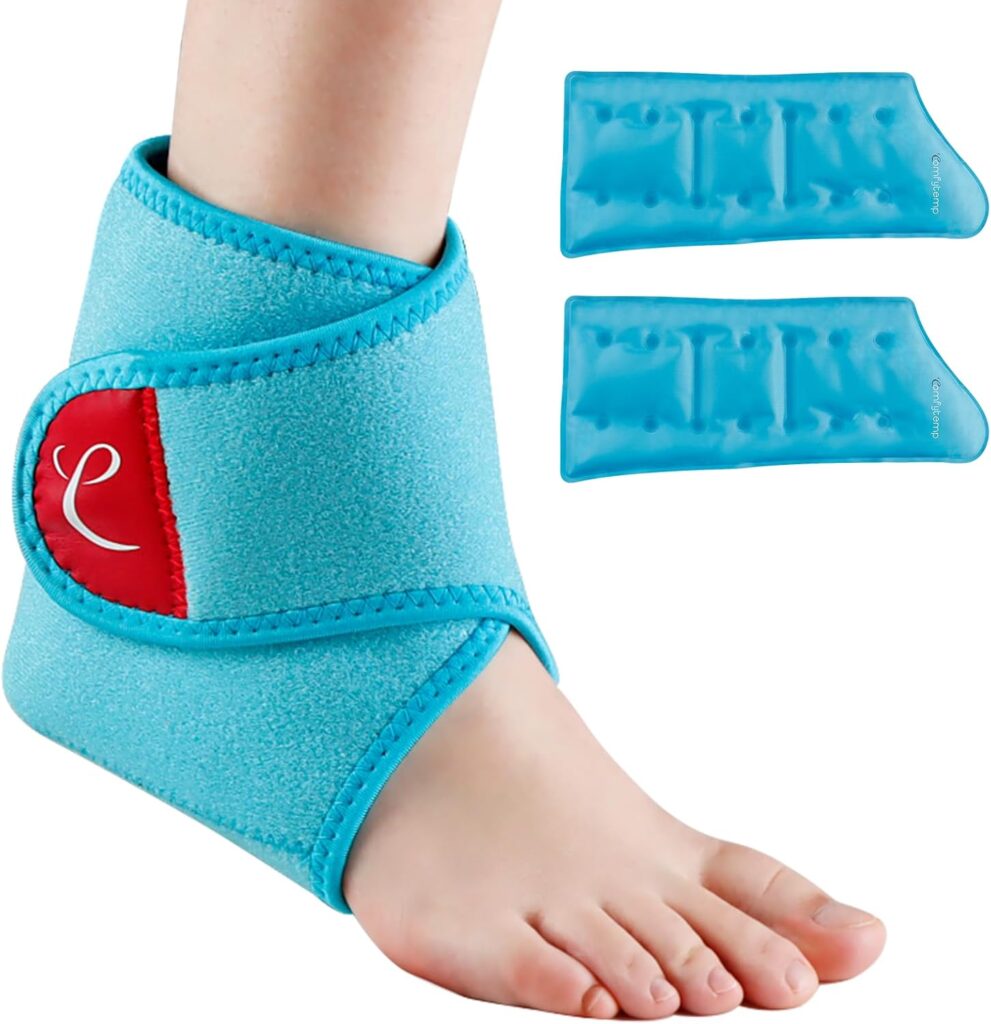
For everyday use, an ice pack can be useful for areas like the back, legs, knees, shoulders, or neck as long as it is used carefully. Comfytemp ice packs, for example, can fit naturally into an at-home recovery routine because they are easy to keep on hand when soreness or irritation pops up unexpectedly.
The most important thing is to avoid putting ice directly on bare skin. Use a thin towel or barrier, and avoid leaving it on for too long. Short, controlled sessions are the safer way to use cold therapy at home.
When Heat Makes More Sense

Heat is usually the better choice when your body feels tight, stiff, tense, or achy rather than newly swollen.
This is the kind of discomfort many people feel after sitting at a desk all day, sleeping in an awkward position, driving for hours, standing too long, or carrying stress in their neck and shoulders.
Heat helps create a sense of relaxation. It can make muscles feel looser and more comfortable, which is why it is often used for areas like the lower back, shoulders, neck, and legs.
Think about the way a warm shower can make your body feel less tense. A heat pad works in a similar way, but in a more targeted area.
This can be especially helpful for people who deal with daily tightness in the shoulders or lower back. Instead of waiting until the tension becomes overwhelming, using heat for a short period may help the area feel more relaxed.
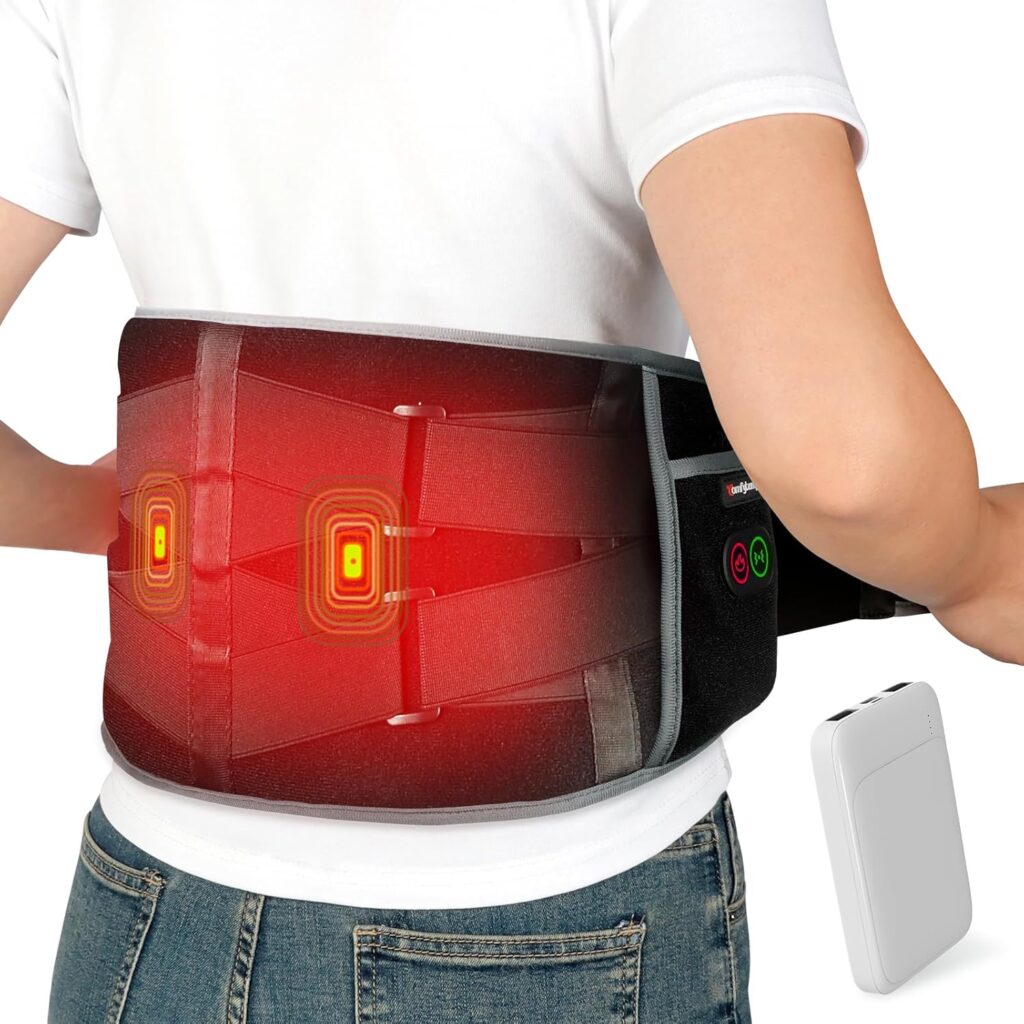
Comfytemp heat pads can be a practical option for this kind of everyday soreness because they are designed for common problem areas like the back, shoulders, legs, and other tight spots. They are not meant to replace medical care, but they can be a simple comfort tool for daily muscle tension.
Heat Before Activity, Ice After Irritation
Another easy way to think about heat and ice is timing.
Heat can be useful before movement when the body feels stiff. If your back feels tight before stretching, your legs feel stiff before a walk, or your shoulders feel tense before light mobility work, heat may help the area feel more comfortable.
Ice often makes more sense after activity if the area feels irritated, sore, or inflamed.
For example, if your knees feel achy and slightly swollen after a long hike, ice may be more appropriate than heat. If your lower back feels stiff before a gentle stretching session, heat may feel better.
This is why some people use both heat and ice at different times. They may use heat to loosen up before activity and ice afterward if an area feels irritated.
The key is not to overdo either one. Heat and ice are tools, not full recovery plans by themselves.
What About Workout Soreness?

Workout soreness can be tricky because not all soreness feels the same.
If your muscles feel generally tired, tight, or stiff a day or two after exercise, heat may feel good. It can make the area feel more relaxed and may help you move more comfortably.
If a specific area feels sharp, swollen, or newly irritated after exercise, ice may be the better choice.
For example, sore quads after leg day may respond well to warmth, gentle movement, hydration, and rest. But if your knee feels irritated after running, ice may be more appropriate.
The difference is whether the soreness feels like normal muscle fatigue or like a specific irritated area.
Normal workout soreness usually feels dull, spread out, and manageable. Injury-related discomfort may feel sharper, more localized, swollen, or worse with certain movements.
When in doubt, pay attention to how the area feels and whether symptoms are improving or getting worse.
Back Pain: Heat or Ice?
Back discomfort is one of the most common reasons people reach for heat or ice.
For everyday lower back tightness, heat is often the first thing people try. This makes sense when the discomfort feels muscular, stiff, or tension-related. A heat pad across the lower back can help the area feel less guarded and more relaxed.
But if back pain starts after a specific strain, twist, fall, or lifting incident, ice may make more sense early on, especially if the area feels irritated or inflamed.
Some people also alternate between heat and ice depending on the situation. For example, they may use ice shortly after a strain and later use heat once the area feels more stiff than inflamed.
Back pain can come from many causes, so it is important not to ignore severe, worsening, or unusual symptoms. Pain that travels down the leg, causes weakness, numbness, bladder or bowel changes, fever, or severe pain should be checked by a medical professional.
For everyday muscle tightness, though, having a reusable heat pad or ice pack at home can make it easier to respond quickly when discomfort starts.
Shoulder and Neck Tension
Shoulder and neck tension is often connected to posture, stress, desk work, driving, phone use, or sleeping position.
This kind of discomfort usually responds better to heat than ice because it often feels tight and muscular rather than swollen.
Heat can help the shoulders and neck feel less tense, especially when combined with gentle movement. Simple shoulder rolls, relaxed breathing, and light stretching can pair well with a heat pad.
However, if the shoulder pain is from a recent injury, fall, workout strain, or sudden sharp movement, ice may be more appropriate at first.
The same general rule applies: heat for tightness, ice for fresh irritation.
Leg Soreness and Tired Muscles
Legs can feel sore for many reasons.
A workout, long walk, standing all day, travel, yard work, or even sitting too long can leave the legs feeling heavy, tight, or tired.
If your legs feel stiff and achy, heat may feel comforting. A heat pad can help relax the muscles and make gentle stretching feel easier.
If your legs feel swollen, irritated, or sore after a specific strain, ice may be the better choice.
For people who are active, having both heat and ice options can be useful. Comfytemp’s heat and ice packs can fit into this kind of routine because different areas of the body may need different types of support depending on the day.
One day your calves may need warmth after standing. Another day your knee may need ice after a long walk.
Safety Matters
Heat and ice are simple, but they still need to be used carefully.
Never put ice directly on bare skin. Use a towel or cloth barrier. Avoid icing until the skin becomes numb for too long, pale, or painful.
With heat, avoid falling asleep on a heating pad. Do not use heat that feels too hot, and be careful if you have reduced sensation, circulation issues, diabetes, certain medical conditions, or sensitive skin.
Short sessions are usually better than long, intense ones. The goal is gentle relief, not extreme temperature.
You should also avoid using heat on areas that are swollen, inflamed, or newly injured unless a healthcare professional tells you otherwise. Heat can sometimes make fresh inflammation feel worse.
When to Get Medical Help
Heat and ice can help with everyday aches, but they are not a replacement for medical care.
Get checked if pain is severe, lasts longer than expected, keeps coming back, causes swelling that does not improve, limits normal movement, or follows a fall or injury.
You should also seek care if you have numbness, tingling, weakness, chest pain, trouble walking, fever, unexplained swelling, or pain that feels unusual for you.
Everyday soreness is common, but pain that feels serious or persistent deserves attention.
Final Thoughts
Heat and ice can both be helpful for everyday aches and soreness, but they are not interchangeable.
Ice is usually best when something feels newly irritated, swollen, sharp, or inflamed. Heat is usually better when muscles feel tight, stiff, tense, or achy.
For many people, the smartest approach is to keep both options available at home. That way, you are not forced to guess or improvise when soreness shows up.
Comfytemp’s heat pads and ice packs can be useful additions to a simple recovery routine because they make it easier to care for common areas like the back, legs, shoulders, and neck.
The most important thing is to listen to your body. Use ice when you need to calm things down. Use heat when you need to loosen things up. Keep sessions short and safe, and do not ignore symptoms that feel severe or unusual.
Everyday recovery does not have to be complicated.
Sometimes, the right temperature at the right time can make a sore body feel much easier to manage.