
The most useful things in a home are not always the most exciting purchases.
They are usually the things that solve a small problem: a room that never feels comfortable, a kitchen counter that is always crowded, or an outdoor space that rarely gets used.
Here are a few practical upgrades worth considering throughout the home.
1. Start With the Room That Annoys You Most
Before buying anything, think about which room causes the most frustration.
Maybe the kitchen always feels cluttered. Perhaps one bedroom gets much warmer than the rest of the house. You might have a patio you rarely use because it is uncomfortable or difficult to keep organized.
Starting with a specific problem makes it easier to avoid buying things that look useful but eventually end up in a closet.
2. Make the Kitchen Easier to Use
A kitchen does not need more gadgets just for the sake of having them.
The most helpful additions are the ones that make something you already do faster or easier. That might mean freeing up counter space, improving food storage, making cleanup simpler, or keeping frequently used items within reach.
Before adding anything new, ask yourself three questions:
- Will I use it regularly?
- Is it easy to clean?
- Do I have a convenient place to keep it?
If the answer to any of those is no, it may create more clutter than convenience.
3. Fix Rooms That Never Feel Comfortable
Some rooms are always too warm, too cold, too dry, or too humid.
Instead of adjusting the temperature for the entire house, it may make more sense to improve the comfort of that particular space.
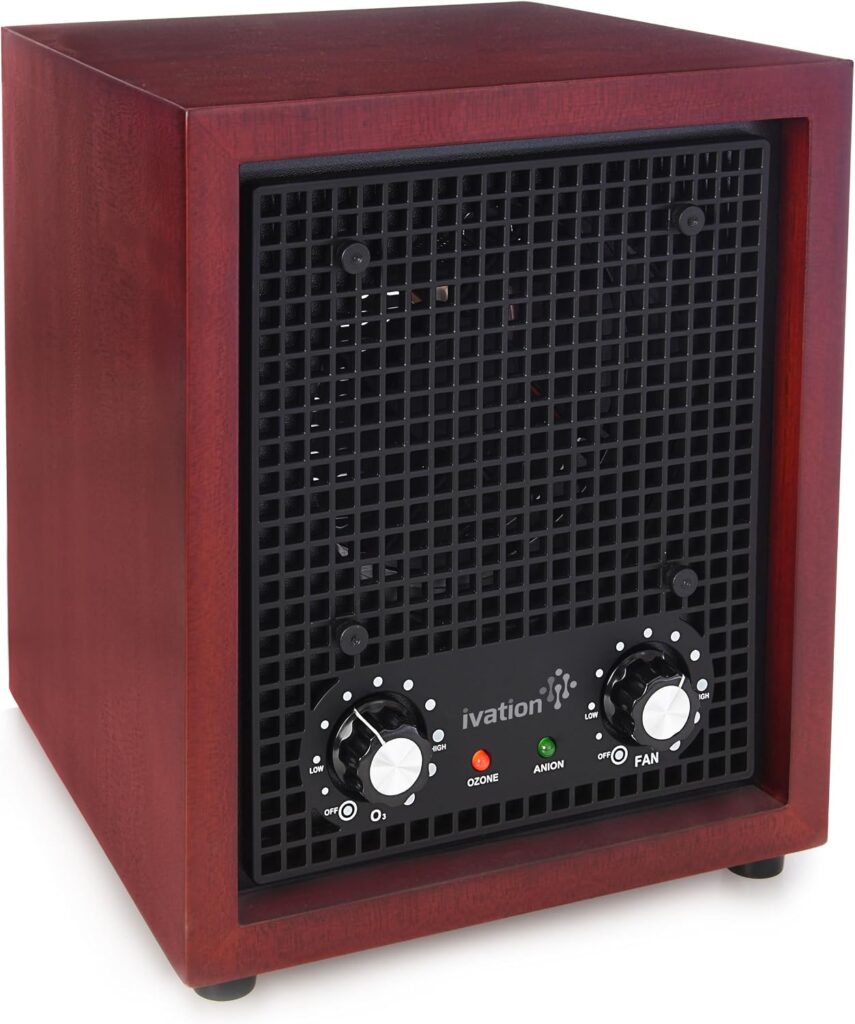
Ivation is one place to explore practical home solutions because its selection covers climate control, appliances, storage, entertaining, and outdoor living. The variety makes it easier to find something suited to a specific room rather than forcing one solution to work throughout the whole house.
The important part is to choose based on the size of the room and the problem you are actually trying to solve.
4. Give Everything a Logical Home
Organization works best when items are stored near where they are used.
Cleaning supplies belong close to the rooms you clean most often. Shoes, bags, and keys need a convenient place near the door. Bathroom products should be easy to reach without covering the entire counter.
Do not focus on making every cabinet look perfect. Focus on making things easy to put away.
An organizational system will not last if it adds five extra steps to your routine.
5. Make the Bedroom Better for Sleeping
A bedroom can look beautiful and still be difficult to sleep in.
Light, noise, temperature, and clutter can all affect how restful the room feels. Before redecorating, pay attention to what actually bothers you at night.
Consider whether the room needs:
- Better control over light
- A more comfortable temperature
- Less visible clutter
- Quieter surroundings
- Easier bedside storage
Fixing one of these problems may improve the room more than replacing all the furniture.
6. Add Soft Texture With Throw Pillow Covers
Sometimes a room feels unfinished because it is missing softness. You do not always need new furniture or a full redesign to make a living room, bedroom, sofa, or reading corner feel more comfortable. Small textile upgrades can make the space feel warmer, cozier, and more pulled together.
Throw pillow covers are one of the easiest ways to refresh a room because they change the look of the space without taking up extra storage or requiring a major purchase. They can add color, texture, and seasonal style while still being practical enough for everyday use.
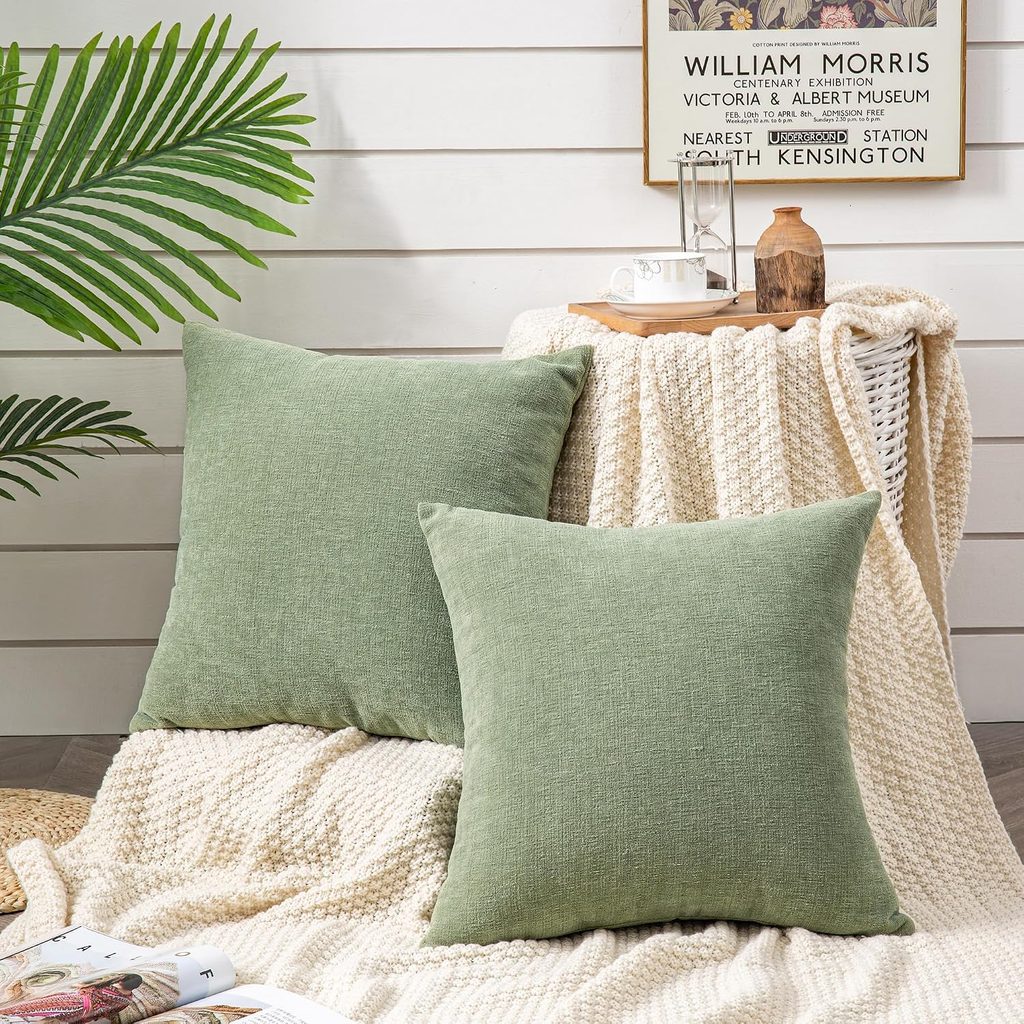
One option to consider is the GAWAMAY Decorative Throw Pillow Covers 16×16 Inch Set of 2. These super soft chenille square pillow covers come in a sage green color that works well for farmhouse, fall, living room, bedroom, sofa, couch, or cushion styling. The 16×16 inch size makes them easy to use on accent chairs, beds, couches, benches, or cozy corners that need a little more texture.
This is the kind of small home upgrade that can make a space feel more intentional without overcomplicating the room. A softer pillow cover, a warmer color, or a textured fabric can make the room feel more comfortable almost immediately.
7. Set Up the Bathroom Around Your Morning Routine
Bathrooms often become cluttered because everything is stored together, even when it is used at different times.
Keep daily items easy to reach and move backups, occasional products, and cleaning supplies somewhere less prominent.
A small tray or drawer organizer can keep everyday essentials together without making the counter feel crowded. Hooks and vertical storage can also help when cabinet space is limited.
The goal is to make getting ready easier, not to create a display that has to be rearranged every morning.
8. Make Entertaining Less Complicated
Hosting becomes much easier when you are not searching for everything at the last minute.
Keep glasses, serving pieces, drinks, and frequently used supplies together. If you regularly serve wine or other beverages, having a dedicated storage area can free up kitchen space and make it easier to see what you already have.
You do not need a large formal dining room. Even one organized cabinet or serving station can make casual get-togethers feel less hectic.
9. Get More Use Out of the Patio or Yard
Outdoor areas often go unused because they are too hot, too dark, too cluttered, or simply inconvenient.
Think about what usually sends you back inside. If it gets dark too early, improve the lighting. If supplies are scattered around the garage, add outdoor storage. If the weather makes the space uncomfortable, look for ways to make it more usable during different seasons.
Solve the main obstacle first before adding decorative items.
10. Avoid Buying for a Fantasy Version of Your Life
It is easy to buy something because you imagine using it every weekend, cooking elaborate meals, hosting constantly, or suddenly becoming extremely organized.
Purchase for the routines you already have.
The best home discoveries support your real habits. They save time, remove frustration, and make spaces easier to enjoy without requiring you to become a completely different person.
Small Improvements Can Be the Most Useful
Improving a home does not always mean replacing furniture or starting a renovation.
Sometimes it is fixing the temperature in one uncomfortable room, clearing a crowded counter, or finally organizing the things that pile up near the door.
Focus on the problems you notice repeatedly. Those are usually where the most useful discoveries can be made.