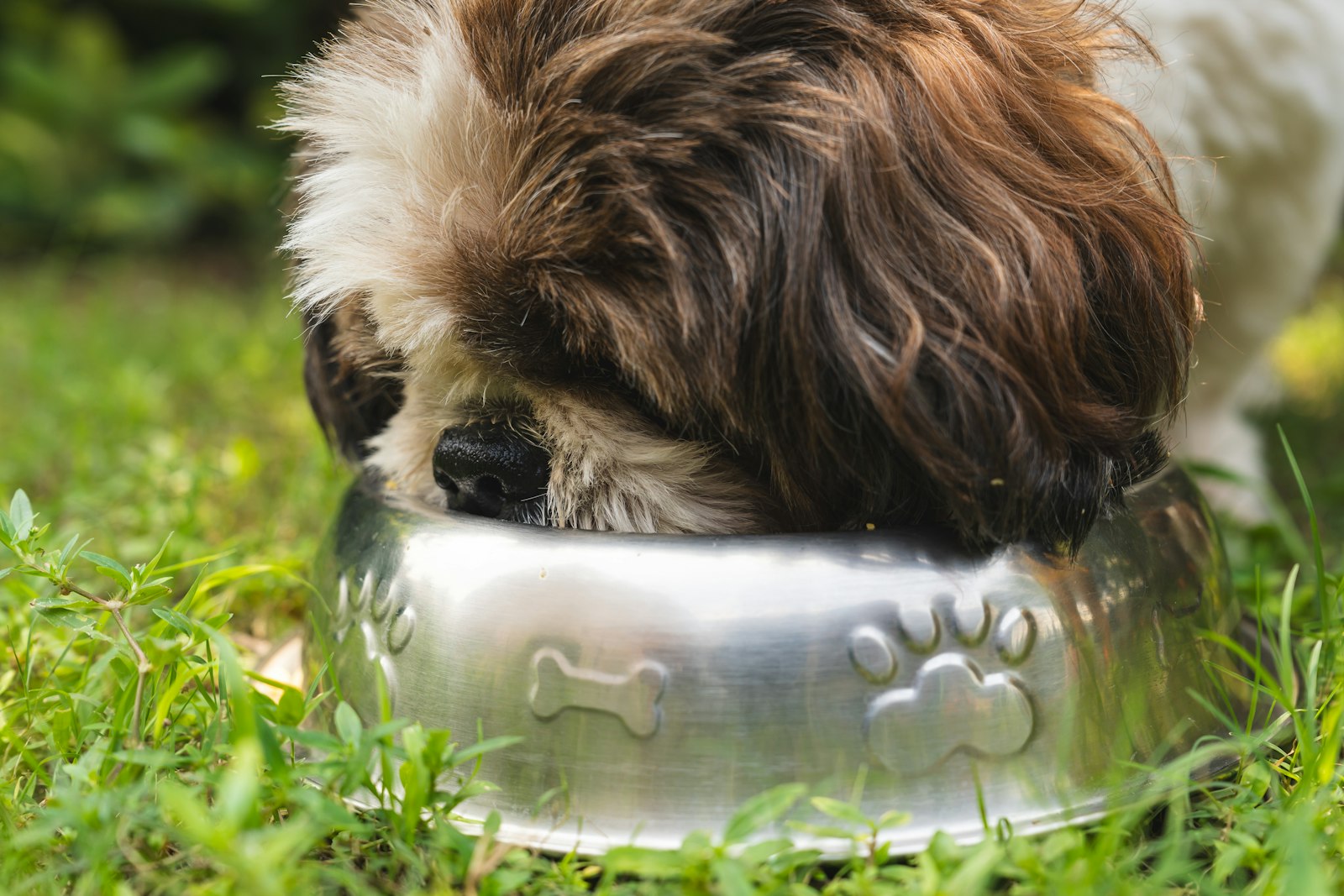
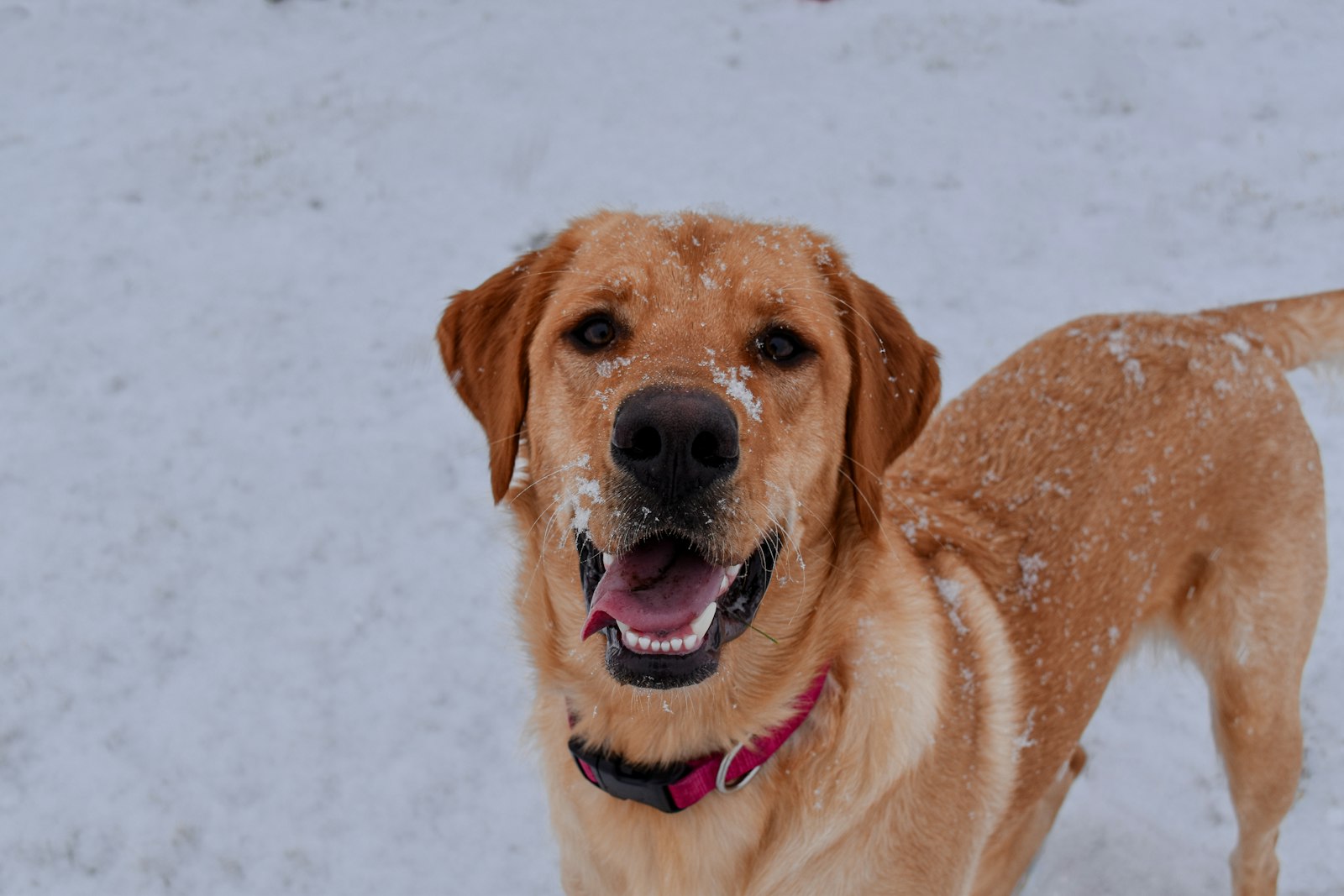
The first real cold snap always catches someone off guard. Usually it’s the dog.
One minute they’re bounding out the back door like it’s July. The next, they’re holding up one paw like they’ve been personally betrayed by the sidewalk. Winter is tough on dogs in ways that aren’t always obvious, from salty paws to dry skin to shorter, darker walks.
Here’s your winter dog care game plan for keeping your pup safe, warm, and happy until spring.
Quick Facts
- If it’s too cold for you to stand outside, it’s probably too cold for your pet.
- Small, short-haired, young, and senior dogs usually feel the cold first.
- Ice melt and road salt can irritate paws, so wipe them after every walk.
- Antifreeze is highly toxic to pets. Clean up spills right away.
Know What Your Dog Is Built For
Not every dog handles winter the same way. A thick-coated husky mix might happily nap in a snowbank, while a Chihuahua or Greyhound starts shivering before you’ve even locked the front door.
| Usually handles cold better | Usually needs extra help |
|---|---|
| Thick, double-coated breeds | Small and toy breeds |
| Larger dogs with more body mass | Short-haired and thin-coated dogs |
| Healthy adult dogs | Puppies and senior dogs |
| Dogs used to cold climates | Dogs with health conditions |
If you have a mixed breed, though, you might honestly be guessing. Is there a little husky in there, or is that fluff all for show?
A dog DNA test can take some of the guesswork out. With a simple cheek swab, it can reveal your dog’s breed mix and predicted traits like coat type and adult size, plus screen for genetic health risks you can bring up with your vet.

Plus, it finally settles the “so what is he, exactly?” debate at the dog park.
Protect Those Paws
Paws take the biggest beating in winter. Ice, salt, and de-icing chemicals can dry out pads, cause cracks, and sting.
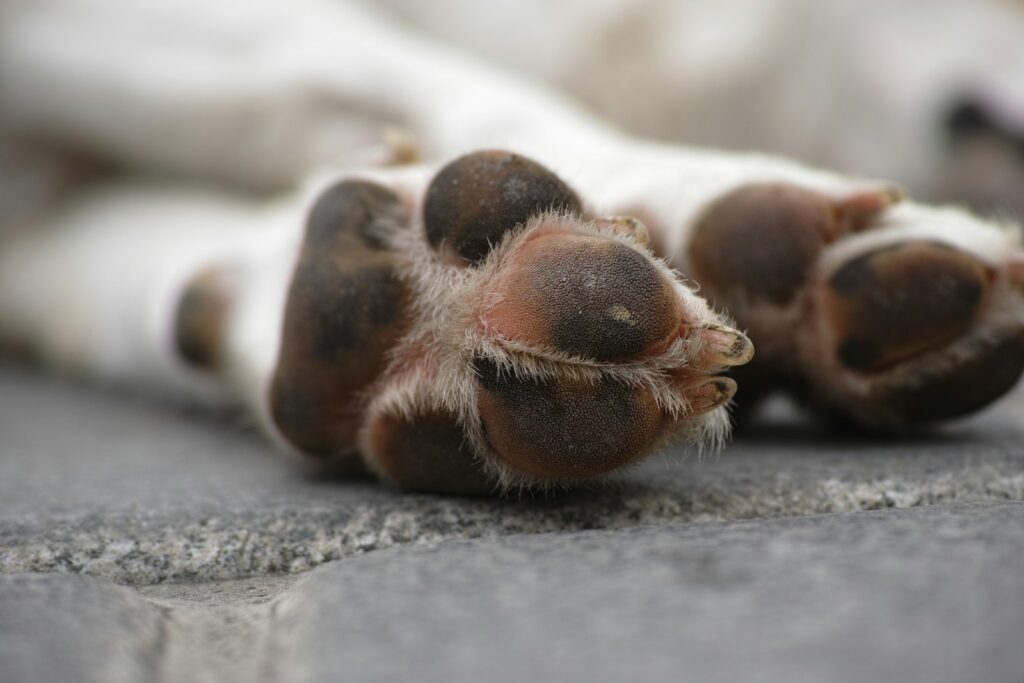
Before walks, the ASPCA suggests rubbing a little petroleum jelly or a vet-approved paw balm onto your dog’s pads. Booties work even better if your dog will tolerate them. (Some will. Some will walk like a baby giraffe for ten minutes first.)
Try this trick: keep an old towel by the door. When you get back inside, wipe down paws and belly to remove salt and chemicals, and check between the toes for packed-in snowballs.
Dress Them for the Weather
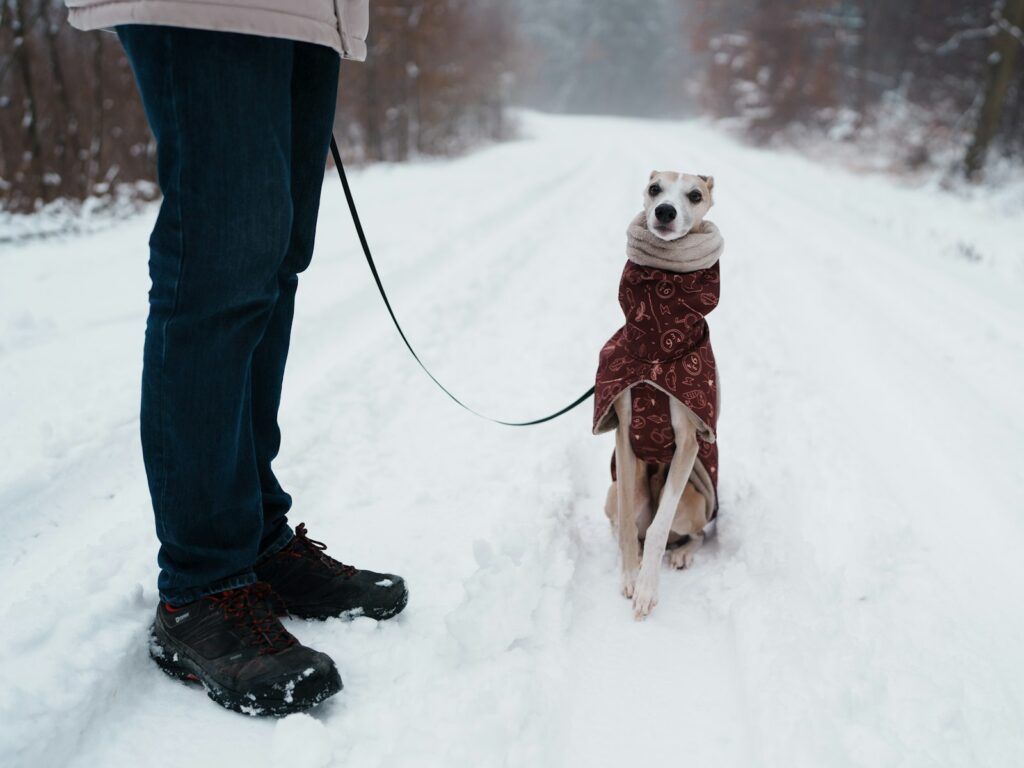
If your dog has a short or thin coat, a sweater or jacket is not just cute. It’s practical. Look for one that covers from the base of the tail to the belly.
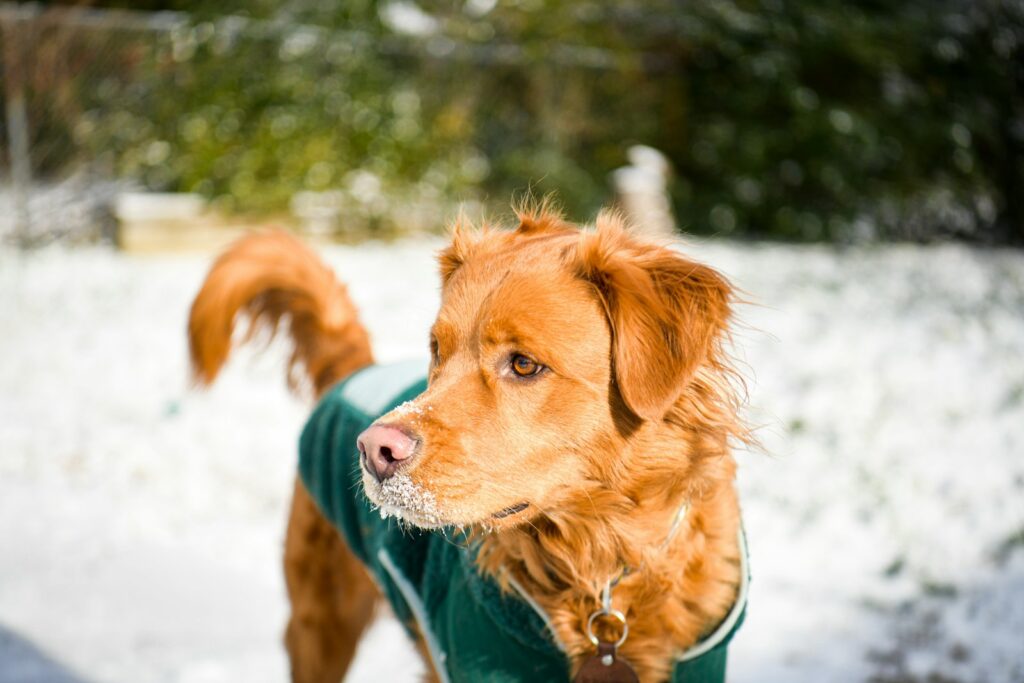
Long-haired dogs need help too, just in a different way. Skip the full shave this time of year since that coat is their insulation. A quick trim around the paws, though, can keep ice and salt from building up between the toes.
Read Now: Simple Tips to Keep Your Home Clean When You Have Pets
Rethink the Daily Walk
Your dog still needs exercise in winter. It just might look a little different.
Try shorter, more frequent walks on the coldest days, and keep your dog on a leash near snow and ice. Snow can cover familiar scents, which makes it easier for a curious dog to get lost. Double-check that their ID tag is on and readable before you head out.
When it’s truly miserable outside, bring the fun indoors. A game of hide-and-seek with treats or a few rounds of fetch down the hallway can burn off a surprising amount of energy.
Read Now: Why Playtime Is So Important for Your Dog’s Health
Make Home a Warm Place to Land
Inside, give your dog a cozy bed that’s off the floor and away from drafty doors and windows. A blanket they can burrow into goes a long way.

Winter air is dry, and that can mean itchy skin. Keep baths to a minimum during cold spells, and towel dry your dog well whenever they come in wet. If their skin still seems flaky, ask your vet about a moisturizing shampoo.
Dogs also burn extra energy staying warm, so make sure they always have fresh water. If yours spends a lot of time outdoors, check with your vet about whether a little extra food makes sense.
Watch Out for Winter Hazards
Some of the biggest winter dangers are sitting in the garage.
- Antifreeze: it’s highly toxic to pets. Wipe up spills right away and consider a pet-safer formula made with propylene glycol instead of ethylene glycol.
- Ice melt: use a pet-friendly version when you can, and keep the bag stored out of reach.
- Cold cars: in winter, a car can act like a refrigerator. Don’t leave your dog in one alone.
If you think your dog swallowed antifreeze or another chemical, call your vet or the ASPCA Animal Poison Control Center at (888) 426-4435 right away.
Read Now: When Should You Call a Vet? What Every Pet Owner Should Know
Before You Head Out Checklist
- Paw balm or booties on
- Coat or sweater for short-haired pups
- ID tag on and easy to read
- Leash on near snow and ice
- Towel waiting by the door
A Cozy Winter Starts With Small Habits
Winter doesn’t have to be the season your dog dreads. Good winter dog care mostly comes down to small habits: a little paw care, the right layers, and a warm spot to curl up.
Before long, you’ll both be counting down to spring. Until then, there’s always the couch.