
Cold weather does a number on hair. One day it’s fine, and the next it’s sticking to your coat, puffing up under your hat and splitting at the ends.
The good news is that most winter hair problems come from the same few things, and the fixes are simple. Here’s what’s going on and what actually helps.
Why Winter Is So Hard on Your Hair
Cold air holds less moisture, and indoor heating dries things out even more. Your hair loses water to that dry air, and the outer layer of each strand gets rough. That’s when static, frizz and breakage show up.
| Problem | What’s causing it | What helps |
|---|---|---|
| Static | Dry air plus friction from hats, scarves and brushes builds up a charge | A little leave-in or oil, and a wide-tooth comb |
| Frizz | Hair pulls moisture from wherever it can, then swells and roughs up | Moisture in, then something to seal it |
| Dry, split ends | Indoor heat, hot showers and hot tools pull water out | Lower heat, regular trims, a leave-in |
| Itchy, flaky scalp | Hot water and dry air dry out the skin on your scalp too | Cooler rinses and fewer washes |
| Flat hat hair | Pressure and friction under a hat | Hair fully dry before it goes under a hat |
Most of the tips below come back to two goals: keep moisture in and cut down on friction.
1. Turn the Shower Down a Few Degrees
A long, hot shower feels great when it’s freezing out. It also strips the natural oils that protect your hair and scalp.
You don’t need a cold rinse. Just turn the water down to lukewarm, especially when you rinse out conditioner.
2. Wash a Little Less Often
If you shampoo every day, try every other day, or every third day if your hair can handle it. Fewer washes means your scalp’s natural oils have time to work their way down.
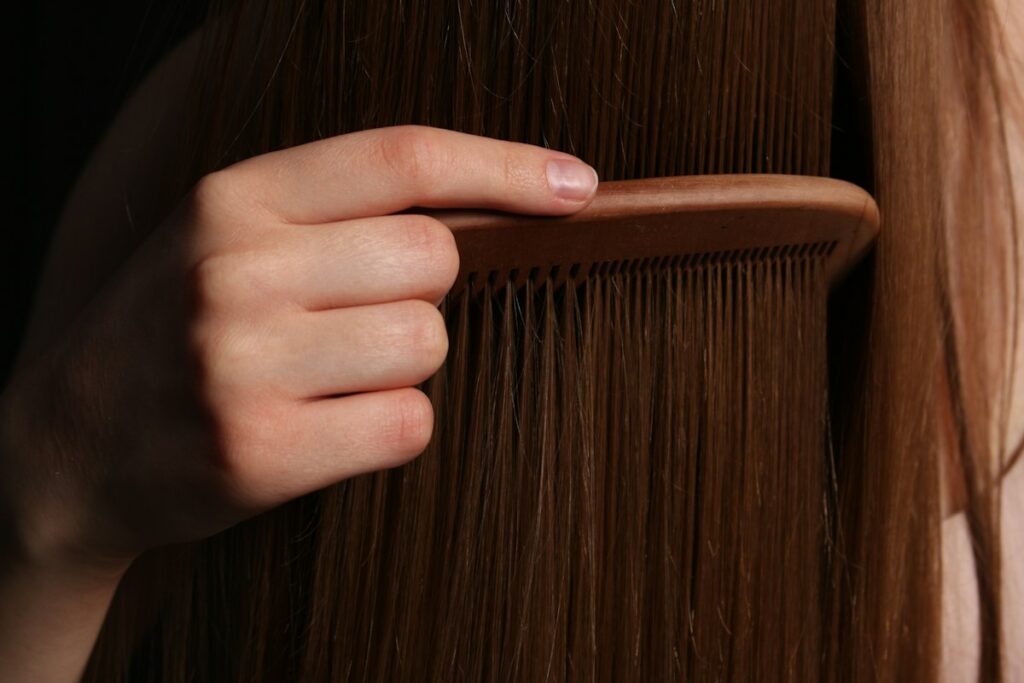
On off days, a quick rinse with conditioner only can refresh your hair without drying it out.
Read now: Could a Honey-Infused Routine Be the Secret to Your Shiniest Hair Yet?
3. Give Your Ends a Leave-In After Every Wash
Your ends are the oldest part of your hair, so they take the most damage. A leave-in after you wash adds moisture back and makes detangling easier, which means less breakage when you comb.
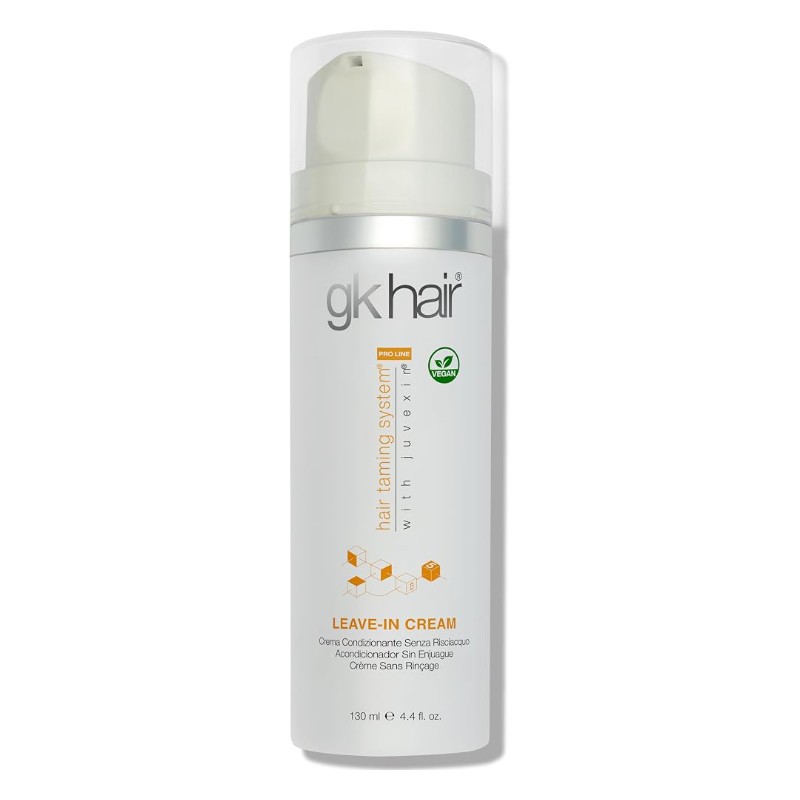
Work a small amount through damp hair from the mid-lengths down. The GK HAIR Keratin Leave-In Conditioner is a good option for dry or color-treated hair. It’s a cream with keratin that helps with frizz and split ends, and it adds some heat protection if you blow-dry afterward.
Skip your roots if your scalp tends to get oily. A little goes a long way.
4. Seal Dry Ends With a Few Drops of Oil
Once your hair is dry, rub two or three drops of hair oil between your palms and smooth it over the ends. It locks in moisture and calms flyaways.
Start small. Too much oil makes hair look flat, and you can always add more.
5. Stop Static Without Weighing Hair Down
Static happens when dry hair rubs against fabric and plastic. A few easy fixes:
- Swap a plastic brush for a wide-tooth comb or a boar-bristle brush.
- Smooth a tiny bit of leave-in or hand cream over flyaways.
- Keep a dryer sheet in your bag and run it lightly over your hair in a pinch.
If static is a daily fight, it usually means your hair needs more moisture overall, not more product on top.
6. Make Peace With Hats and Scarves
Hats are a must when it’s cold, but they cause a lot of friction. Make sure your hair is completely dry before you put one on, since damp hair stretches and breaks more easily.

A satin-lined beanie is gentler than straight wool or acrylic. If you don’t want to buy a new hat, a thin satin scarf or cap underneath works too.
7. Go Easy on Hot Tools
Blow-dryers, flat irons and curling irons do more damage when hair is already dry. Use the lowest heat setting that still works, and always use a heat protectant first.
Air-dry when you can, at least partway, before finishing with a dryer.
8. Change What You Sleep On
Cotton pillowcases pull moisture out of your hair and create friction while you sleep. A silk or satin pillowcase helps hair glide instead of tangle.
Running a humidifier in your bedroom helps too. It puts some moisture back into the air, which your hair and skin will both notice.
Quick Winter Hair Rules
If you only remember a few things, make it these.
✔ Do this
Rinse with lukewarm water
Put on leave-in while hair is damp
Let hair dry before you head outside
Use a wide-tooth comb on wet hair
✘ Not this
Scalding showers every day
Brushing out dry, tangled hair
Wearing a hat over wet hair
Blasting hot tools on the highest setting
None of this takes much time. It’s mostly small swaps that add up over a few weeks.
Final Thoughts
Winter hair problems are frustrating, but they’re usually just dryness and friction. Keep the water cooler, add moisture back, and protect your hair from rough fabrics and high heat.
Give it a couple of weeks and your hair should feel softer, with fewer flyaways and less breakage.
Read now: Skincare Essentials That Make Your Night Routine Easier