

Fiber is one of those wellness words everyone has heard, but not everyone fully understands. Most people know fiber is “good for digestion,” but beyond that, it often gets treated like one simple category. Eat more fiber, feel better, stay regular, support gut health. Simple enough, right?
Not exactly.
The truth is, not all fiber works the same way. Different types of fiber can do different things in the body, and that matters when you are trying to support digestion, reduce occasional bloating, feel more balanced, or build a gut-friendly routine that is actually easy to keep up with.
One type that deserves more attention is soluble fiber. Unlike some forms of fiber that mainly help add bulk, soluble fiber dissolves in water and forms a gel-like substance in the digestive tract. That unique quality is part of what makes it so useful for daily digestive support, gut health, and overall wellness.
If your current fiber routine feels confusing, inconsistent, or hard to stick with, understanding soluble fiber may help you make a smarter choice.
Why Fiber Matters in the First Place
Fiber is a type of carbohydrate found in plant-based foods like fruits, vegetables, oats, beans, lentils, seeds, and whole grains. Unlike sugar or starch, fiber is not fully broken down and absorbed in the same way. Instead, it moves through the digestive system and plays an important role in how the gut functions.
A fiber-rich diet can help support regularity, digestive comfort, and a healthier gut environment. It can also help meals feel more satisfying, which is one reason fiber often comes up in conversations about wellness routines and appetite support.
The problem is that many people do not get enough fiber from food alone. Busy schedules, processed foods, low-carb diets, picky eating, and inconsistent meals can all make fiber intake fall short. Even people who eat fairly healthy may not always get the right amount every day.
That is where fiber supplements can be helpful. They are not a replacement for fruits, vegetables, and whole foods, but they can be a convenient way to add more fiber to your routine when your diet needs extra support.
Soluble vs. Insoluble Fiber

To understand why soluble fiber deserves more attention, it helps to know the difference between soluble and insoluble fiber.
Insoluble fiber does not dissolve in water. It adds bulk and helps move material through the digestive system. This type of fiber is often associated with whole grains, wheat bran, vegetable skins, and certain seeds. It can be helpful for regularity, but for some people, adding too much too quickly can feel rough on the stomach.
Soluble fiber, on the other hand, dissolves in water. As it moves through the digestive tract, it forms a gel-like texture. This can help support smoother digestion and may feel gentler for people who want a daily fiber habit that is easier to tolerate.
Both types of fiber matter, but they do not behave the same way. That is why the phrase “eat more fiber” can be too general. The kind of fiber you choose can affect how it feels in your routine.
Why Soluble Fiber Is So Useful
Soluble fiber is helpful because it works with the digestive system in a more gradual, supportive way. Since it absorbs water and forms a gel-like consistency, it can help support digestive balance and make your daily routine feel more predictable.
This is especially appealing for people who want gut health support without feeling like they are shocking their system. Some fiber products can feel heavy or intense, especially if they are added too quickly. Soluble fiber can be a more comfortable option when introduced gradually and taken with enough water.
Another reason soluble fiber stands out is that it often plays well with prebiotic support. Some soluble fibers act as food for beneficial bacteria in the gut, helping nourish the microbiome. Since gut health depends on a balanced environment of good bacteria, prebiotic fiber can be an important part of a digestive wellness routine.
In simple terms, soluble fiber does more than just “move things along.” It can help support the environment your gut needs to function well.
The Gut Health Connection

Your gut is home to a large community of bacteria and other microorganisms known as the microbiome. This ecosystem helps support digestion and plays a role in overall wellness. Like any ecosystem, it needs the right environment to thrive.
Prebiotic fiber helps feed beneficial bacteria in the gut. When those bacteria are supported, the digestive system may feel more balanced. This is why prebiotics have become such a big part of the gut health conversation.
Many people are familiar with probiotics, which are live beneficial bacteria. Prebiotics are different. They are the food source that helps nourish good bacteria already in your gut. Both can be useful, but prebiotic fiber is especially practical because it can be part of a daily routine.
Soluble fiber with prebiotic benefits can help make gut health support feel simple. Instead of overcomplicating your routine with too many products, you can start with a basic daily fiber habit that supports digestion and the microbiome at the same time.
Fiber and Occasional Bloating
Bloating can be frustrating because it can come from many different things: eating too fast, certain foods, low fiber intake, high fiber intake, dehydration, stress, hormones, or a sudden change in diet. Because of that, no fiber supplement can promise to fix bloating for everyone.
However, supporting regular digestion and gut balance may help some people feel more comfortable over time. Soluble fiber can be especially useful because it supports digestive consistency and helps nourish the gut environment.
The key is to start slowly. Adding too much fiber all at once can actually make bloating worse at first. This is one of the most common mistakes people make. They decide to “get healthy,” take a full serving immediately, and then wonder why their stomach feels off.
A better approach is to introduce fiber gradually, drink plenty of water, and give your body time to adjust. A daily routine is more effective than a random high-fiber day followed by several low-fiber days.
Fiber and GLP-1 Wellness Routines
Fiber is also getting more attention because of the growing interest in GLP-1 wellness routines. GLP-1 is connected to appetite, digestion, and feelings of fullness, which is why many people are paying closer attention to habits that support satiety and digestive comfort.
Soluble fiber can be a smart addition to this kind of routine because it helps meals and snacks feel more satisfying. Since it forms a gel-like consistency in the digestive tract, it may help support a slower, steadier digestive process.
That said, it is important to keep the language realistic. A fiber supplement is not the same thing as a GLP-1 medication, and it should not be treated like one. Instead, soluble fiber can be viewed as a supportive wellness habit that fits into a broader routine focused on digestion, balance, and daily nutrition.
For people who want a simple, food-adjacent way to support their wellness goals, soluble fiber can be a practical place to start.
Why Convenience Matters
In an ideal world, everyone would get enough fiber from whole foods every day. In real life, that does not always happen. Some days are busy. Some meals are rushed. Some people follow diets that naturally reduce certain fiber-rich foods. Others simply do not enjoy enough vegetables, beans, oats, or whole grains to meet their needs consistently.
That is why convenience matters. The best wellness habit is the one you can actually repeat.
Fiber powder can be an easy option because it can fit into a normal routine without requiring a major lifestyle change. You can mix it into water, smoothies, shakes, or other drinks depending on the product instructions. For people who do not want to swallow more capsules or overhaul their diet overnight, a powder can feel approachable.
The goal is not to replace a healthy diet. The goal is to make it easier to fill in the gaps.
A Simple Soluble Fiber Option to Try
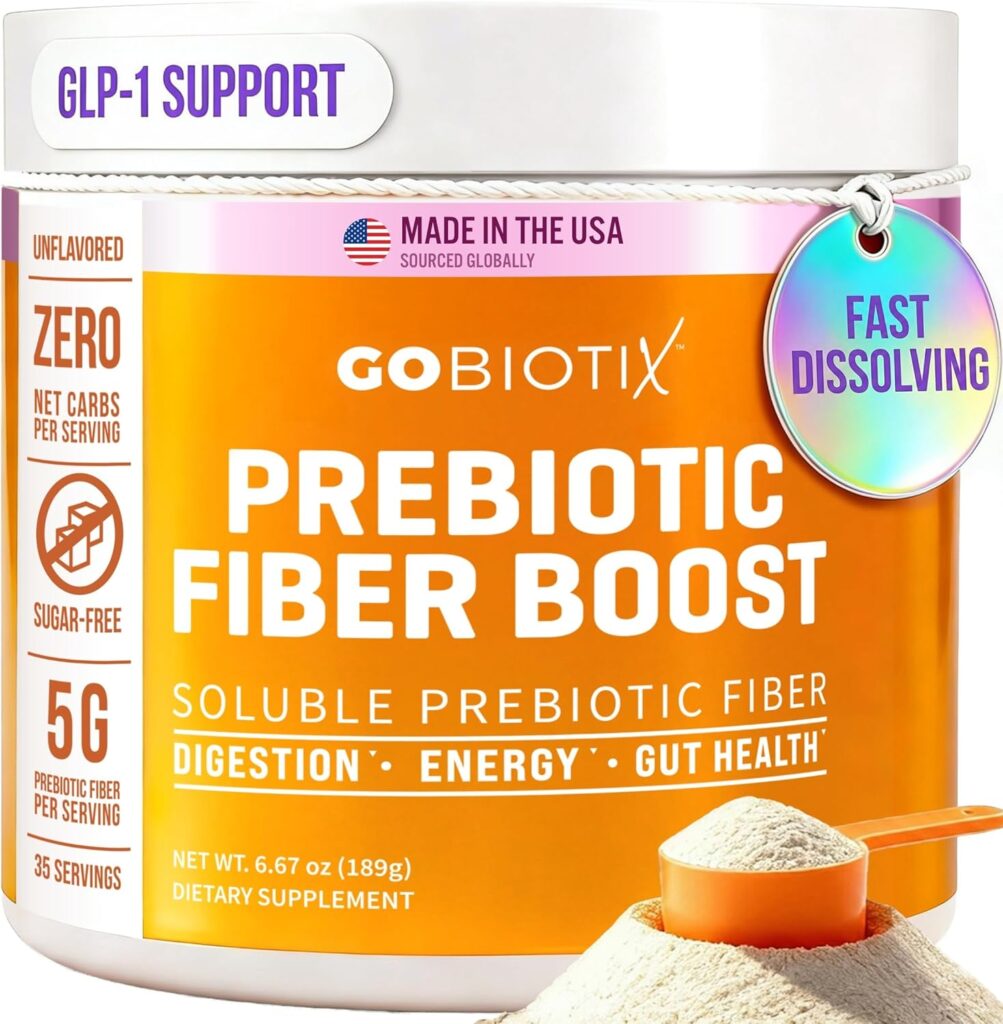
For anyone looking for a simple way to add soluble fiber to their routine, GOBIOTIX Fiber Supplement Powder with Prebiotics is worth considering.
This fiber powder is designed to support digestive health, gut health, and debloating, while also fitting into a wide range of dietary preferences. It includes soluble fiber and prebiotics, making it a practical choice for people who want digestive support and microbiome support in one easy daily product.
One of the standout benefits is that it is made for modern wellness routines. It is keto, vegan, gluten-free, and sugar-free, which makes it easier to fit into different lifestyles. That matters because many fiber products can contain ingredients that do not work for everyone’s diet.
GOBIOTIX also positions the formula for GLP-1 support, which makes sense for people who are interested in satiety, digestion, and a more supportive daily fiber habit. It is not about replacing healthy meals or medical advice. It is about adding a simple fiber step that can help support the routine you are already building.
With 35 servings in one pack, it is also designed for consistency. Since fiber works best when it becomes a habit, having an easy powder you can use daily may make it more realistic to stick with.
How to Add Fiber Without Overdoing It

When adding any fiber supplement, it is smart to take a gradual approach. More is not always better, especially in the beginning. Your digestive system may need time to adjust.
Start with the recommended serving instructions on the product label, or begin with a smaller amount if you know you are sensitive to fiber. Drink plenty of water throughout the day, since fiber works best when your body is properly hydrated.
It is also helpful to pay attention to how your body responds. Some people feel better quickly, while others need a week or two to adjust. If you experience discomfort, it may be a sign to reduce the amount, increase water intake, or speak with a healthcare professional.
People with digestive conditions, medical concerns, or those taking medications should ask a doctor before adding a new supplement, especially if they are unsure how fiber may affect them.
Whole Foods Still Matter
A fiber supplement can be helpful, but whole foods still matter. Fruits, vegetables, beans, lentils, oats, chia seeds, flaxseed, and whole grains bring more than just fiber. They also provide vitamins, minerals, antioxidants, and other plant compounds that support overall health.
Think of a soluble fiber supplement as a tool, not the entire solution. It can make your routine easier, especially on days when your diet falls short, but it works best alongside balanced meals and consistent hydration.
A good routine may include both: fiber-rich foods when possible and a supplement when you need extra support. This makes gut health feel less like an all-or-nothing project and more like a flexible daily habit.
The Takeaway
Not all fiber is equal, and that is exactly why soluble fiber deserves more attention. It dissolves in water, forms a gel-like texture, supports digestive balance, and can help nourish beneficial gut bacteria when paired with prebiotic benefits.
For people who want an easier way to support gut health, occasional bloating, daily digestion, and GLP-1 wellness routines, soluble fiber can be a smart addition. The key is choosing a product that fits your lifestyle and using it consistently.
GOBIOTIX Fiber Supplement Powder with Prebiotics offers a convenient way to add soluble fiber to your day. With prebiotic support, a keto-friendly, vegan, gluten-free, and sugar-free formula, and 35 servings per pack, it is a practical option for anyone looking to make digestive wellness easier.
Fiber does not have to be complicated. Once you understand the difference between types of fiber, it becomes much easier to choose the one that fits your body, your goals, and your routine.