When shopping for new sheets, one number tends to get most of the attention: thread count. For years, shoppers have been conditioned to assume that the higher the number, the softer and more luxurious the sheets will feel.
But a 1,000-thread-count sheet isn’t automatically better than one with a 400-thread count. In fact, thread count is only one part of what determines how bedding actually feels when you climb into bed.
The quality of the cotton, length of the fibers, weave, breathability, and construction can matter just as much—sometimes more. So before choosing your next sheet set based on the biggest number on the package, here’s what you should actually be looking for.
What Does Thread Count Really Mean?
Thread count simply measures the number of horizontal and vertical threads woven into one square inch of fabric.
It can tell you something about the density of a fabric, but it doesn’t tell you everything about its quality. The quality of the yarn itself and the way the fabric is woven are also important. Sleep Foundation notes that comfortable, quality sheets exist across a wide range of thread counts and that the yarn quality can be more important than the number of threads alone.
Extremely high numbers aren’t necessarily something to chase, either. Some manufacturers can achieve larger advertised thread counts by using multi-ply yarns and counting the individual strands. A denser fabric can also feel heavier and retain more warmth.
In other words, consider thread count—but don’t shop by thread count alone.
Cotton Quality Makes a Difference
If you’re shopping for cotton sheets, pay attention to the type and quality of cotton being used.
One term you’ll frequently encounter is long-staple cotton. The “staple” refers to the length of the individual cotton fibers. Longer fibers can be spun into finer, smoother yarn with fewer fiber ends sticking out of the finished fabric.
That can contribute to sheets that feel smoother and hold up better over time.
This is also why two sets of 400-thread-count cotton sheets can feel completely different. Thread count may be identical, while the quality of the fibers and yarns used to create those threads isn’t.
Rather than looking for the highest possible number, consider the material and construction alongside it.
The Weave Changes How Sheets Feel
The weave is one of the biggest reasons different cotton sheets can have completely different personalities.
Two of the most common choices are percale and sateen.
Percale typically has a crisp, light feel that many people associate with freshly made hotel bedding. Its relatively simple weave can also provide good airflow, making it attractive for people who prefer cooler-feeling sheets.
Sateen has a different construction that creates a smoother surface with more drape and often a subtle sheen. It tends to feel silkier and less crisp than percale.
Neither one is inherently better. It comes down to how you like your bed to feel.
That difference also helps explain why comparing thread counts across different weaves isn’t particularly useful. Sleep Foundation generally places quality percale around the 200–400 range and sateen around 300–600, illustrating why there’s no single “perfect” number for every sheet.
Breathability Matters—Especially If You Sleep Warm
Sheets can feel incredibly soft when you touch them in a store and still become uncomfortable after several hours of sleep.
That’s where breathability comes in.
Natural cotton is popular partly because air can move through the fabric and moisture doesn’t simply sit against the body the way it can with some less-breathable materials.
A very densely woven sheet may feel substantial and smooth, but increasing density can also reduce airflow. That’s another reason automatically choosing the highest thread count available isn’t always the best strategy, particularly if you tend to sleep warm.
Think about your own preferences. A cool sleeper looking for cozy bedding may want something different from someone who frequently wakes up hot.
Don’t Forget About the Details
Great sheets need to do more than feel good in your hands.
The fitted sheet should stay securely on your mattress. Deep pockets can be particularly useful if you have a thicker mattress or use a mattress topper. Strong elastic around the fitted sheet can help keep corners from working their way loose overnight.
Durability and care matter too. Sheets are washed frequently, so look for materials and construction designed to withstand regular laundering.
And remember that the feel of cotton can evolve. Quality cotton bedding may soften with repeated washing, so the first night isn’t necessarily the only indication of how the sheets will feel over time.
A Bedding Brand Worth Knowing: Lane Linen
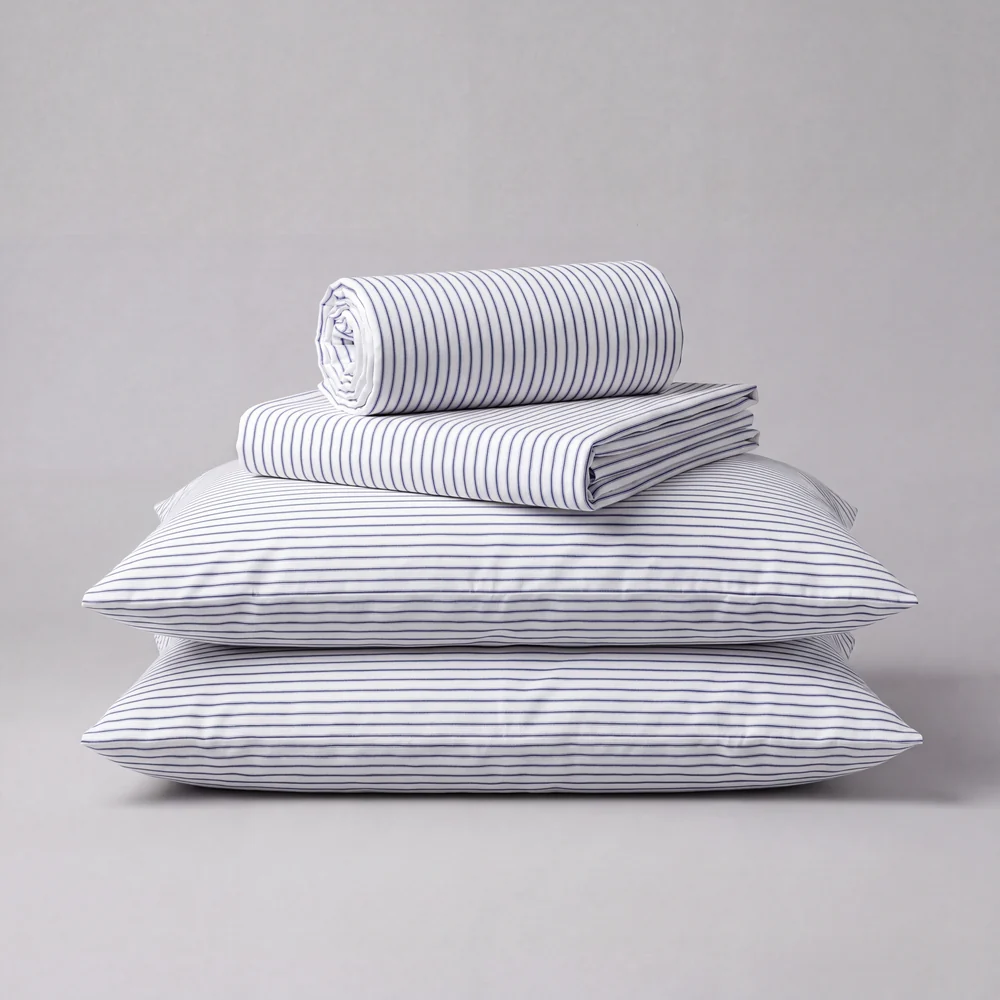
For shoppers looking for cotton bedding that focuses on more than a giant thread-count number, Lane Linen is worth considering.
The brand offers several cotton sheet options using different thread counts, allowing shoppers to choose based on the feel they’re after rather than assuming one number works for everyone.
For example, Lane Linen’s 450 Thread Count Sheet Set is made from 100% long-staple cotton in a sateen weave. The brand describes the set as breathable with a smooth texture and includes practical features such as deep pockets and elasticized edges. It’s also OEKO-TEX certified.
Its 600 Thread Count Sheet Set also uses 100% long-staple cotton and a sateen weave, with a smoother, slightly more substantial feel designed for year-round comfort.
For those who specifically prefer a denser, more luxurious sheet, Lane Linen also offers a 1,000 Thread Count set made from long-staple Egyptian cotton, again using a sateen weave.
What we like about the lineup is that you aren’t limited to a single definition of “good sheets.” You can choose the weight and feel that better matches how you actually like to sleep.
Choose Sheets Based on Feel, Not Just a Number
Thread count isn’t meaningless. When you’re comparing sheets made from similar materials and constructed in similar ways, it can be a useful piece of information.
It just shouldn’t be the only piece.
When you’re shopping for your next sheet set, look at the fiber quality, weave, breathability, construction, fit, and thread count together.
If you love crisp, airy bedding, your ideal sheets may look very different from someone’s who wants a silky, smooth bed with a little more weight. And a well-made 450-thread-count sheet may be a much better choice for you than another set advertising twice the number.
Ultimately, the best sheets aren’t necessarily the ones with the biggest number printed on the package.
They’re the ones you actually look forward to sleeping in.