When people think about wedding planning, they usually picture the big decisions first.
The venue. The dress. The guest list. The food. The photographer. The flowers. The budget.
And of course, all of those things matter. They create the foundation for the day and usually take up the most time, money, and attention. But once the major decisions are handled, there is another layer of wedding planning that can quietly make the entire celebration feel more thoughtful, organized, and personal.
Those are the small details.
They may not seem as important at first, but they are often the things guests notice, remember, and interact with the most. A beautiful invitation. A thoughtful welcome sign. A comfortable seating arrangement. A well-timed thank-you note. A personalized detail that makes the day feel like it actually belongs to the couple.
The truth is, weddings do not feel special just because they are expensive or elaborate. They feel special when the details work together.
Here are some of the small wedding planning details that can make the biggest difference.
Start With a Clear Overall Style
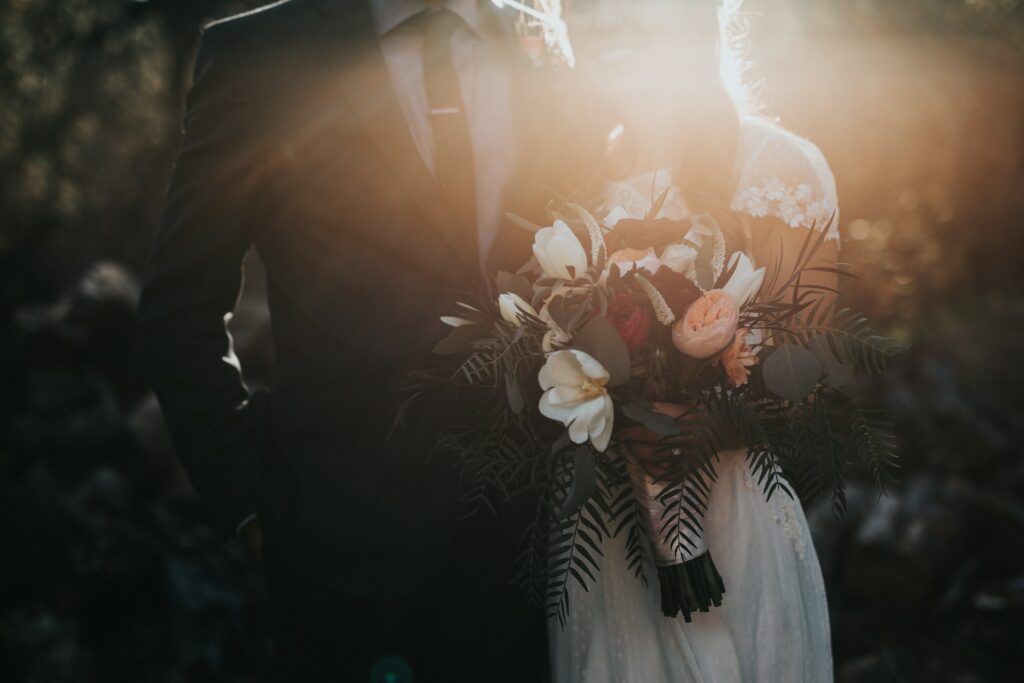
Before choosing every tiny detail, it helps to decide how you want the wedding to feel.
Not just how it should look, but how it should feel.
Do you want it to feel romantic and classic? Bright and joyful? Modern and minimal? Elegant and formal? Relaxed and garden-inspired? Warm, cozy, and intimate?
This matters because wedding planning gets much easier when every decision connects back to a clear style. Instead of choosing invitations, flowers, linens, signage, and decor separately, you can ask one simple question: does this fit the feeling we want for the day?
That does not mean everything has to match perfectly. In fact, weddings often look more interesting when there is some variety. But having a general direction helps the entire day feel more cohesive.
Even small choices like font style, envelope color, table numbers, or thank-you cards can help reinforce the overall mood of the wedding.
Make the Guest Experience Easy
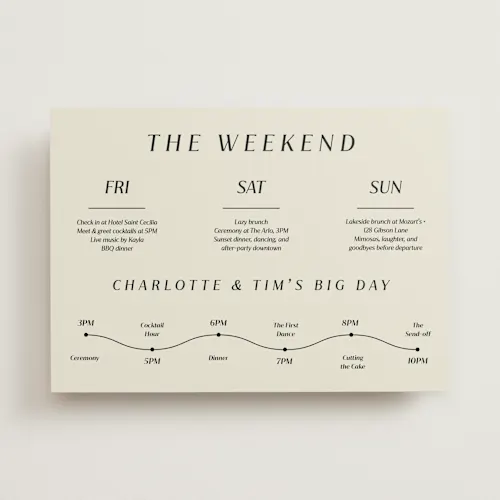
A wedding is about the couple, but the guest experience still matters.
Small details that make the day easier for guests can make a huge difference. Clear directions, simple parking information, an easy-to-understand schedule, visible signage, and a smooth seating process all help guests feel more comfortable.
Guests should not have to wonder where to go, when to sit down, where the bar is, or what happens next. When those details are handled well, the whole event feels more polished without guests even realizing why.
This is especially important for weddings with multiple locations, outdoor ceremonies, large venues, or guests traveling from out of town.
Something as simple as a welcome sign, ceremony program, or printed timeline can make the day feel more organized.
Choose Invitations That Set the Tone
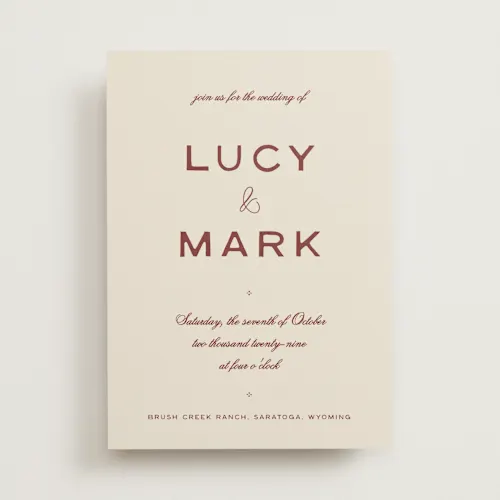
Wedding invitations are one of the first real glimpses guests get of the celebration.
Long before they see the venue or flowers, they see the invitation. That makes wedding stationery more important than many couples realize. The invitation does not just share the date, time, and location. It sets expectations.
A formal invitation suggests a more elegant event. A colorful, playful design suggests something fun and relaxed. A simple modern design suggests a clean, minimal celebration. A romantic floral design hints at a softer, more classic wedding style.
That is why invitations should feel connected to the wedding itself. They do not need to be overly expensive or complicated, but they should feel intentional.
This is also where couples can make the planning process easier by choosing a place that offers beautiful, ready-to-customize designs instead of trying to create everything from scratch.
Why Minted Makes Wedding Details Easier
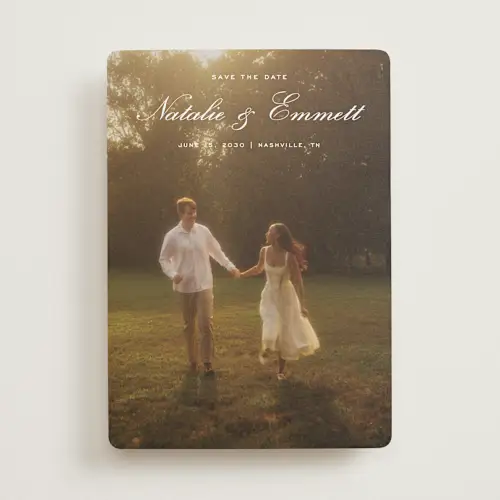
One of the easiest ways to make wedding paper goods feel polished is to use a platform that already curates strong design options.
That is where Minted can be especially helpful.
Minted offers wedding invitations, thank-you note cards, stationery, stickers, address labels, art, and other paper goods created by independent designers. Instead of browsing generic templates that all look the same, couples can choose from designs created by artists and designers with a more elevated, personal feel.
What makes Minted especially useful for wedding planning is that the designs on the platform are already curated through a community-driven process. Designs submitted to Minted are voted on and reviewed, helping surface the strongest options that meet the platform’s quality standards.
For couples, that can save a lot of time.
Instead of feeling like you have to sort through endless designs and question whether something looks good enough, Minted gives you access to a collection of designs that already feel polished, stylish, and wedding-ready.
The invitation section is the obvious place to start, but Minted can also help with the smaller paper details that pull everything together. Save-the-dates, address labels, thank-you cards, stickers, menus, programs, and signage can all help create a more cohesive wedding experience.
This is where small details start working together.
The invitation introduces the look. The address labels make the mailing feel more finished. The signage carries the same style into the event. The thank-you notes continue the experience after the wedding is over.
For couples who want their wedding to feel personal without making every paper decision from scratch, Minted can be a simple way to make the process feel easier and more beautiful.
Don’t Overlook Thank-You Notes
Thank-you notes are easy to forget during the excitement of planning, but they are one of the most meaningful details after the wedding.
Guests spend time, money, and energy showing up. Some travel. Some bring gifts. Some help with planning, showers, parties, or emotional support. A thank-you note is a small gesture, but it makes people feel appreciated.
Ordering thank-you cards ahead of time can make this step much easier later. After the wedding, most couples are tired. They are recovering from months of planning, possibly returning from a honeymoon, and trying to settle back into normal life.
Having thank-you cards ready means there is one less thing to think about.
Even better, choosing thank-you cards that match or complement the wedding stationery can make the whole experience feel more complete.
Think About the Flow of the Day
One of the biggest hidden details in wedding planning is timing.
Guests may not notice a perfectly timed schedule, but they definitely notice when there are awkward gaps, long waits, confusion, or rushed moments.
A good wedding flow considers how people move from one part of the day to the next. Where do guests go after the ceremony? How long is cocktail hour? When are photos happening? When does dinner begin? Is there enough time for speeches, dancing, cake, and goodbyes without making everything feel cramped?
The goal is not to schedule every second. The goal is to make the day feel smooth.
This is especially important if the ceremony and reception are in different spaces, if transportation is involved, or if there are older guests who may need extra time getting around.
Make the Seating Feel Thoughtful
Seating arrangements can seem like a logistical headache, but they can also shape the energy of the reception.
A thoughtful seating plan helps guests feel comfortable. It can encourage conversation, avoid awkward pairings, and make dinner feel more enjoyable.
This does not mean every guest needs to sit with their closest friend. But it helps to think about personalities, relationships, and comfort level. Guests who know no one should not feel stranded. Older relatives may appreciate quieter tables. Friends who love to socialize can help create energy.
The actual seating chart or escort cards can also become part of the wedding design. This is another small detail that can make the event feel more organized and intentional.
Personalize Without Overdoing It
Personal touches make a wedding memorable, but they do not need to be everywhere.
A few meaningful details are often better than forcing personalization into every corner of the event.
That could mean signature cocktails named after pets, a table with family wedding photos, a custom ceremony reading, a favorite dessert, a playlist that reflects the couple, or artwork that matches the wedding location.
The best personal details feel natural. They tell guests something about the couple without making the day feel overly themed or complicated.
A wedding should feel like the couple, not like a checklist of trends.
Keep the Final Week Simple
The final week before the wedding can become overwhelming if too many details are left unfinished.
That is why small planning tasks matter earlier than people think.
Printing signs, ordering paper goods, confirming addresses, preparing thank-you cards, organizing favors, finalizing the seating chart, and gathering day-of items should not all happen at the last second.
The more small details you handle ahead of time, the more relaxed the final week feels.
This is where organization matters. A simple wedding folder, shared spreadsheet, checklist, or box of day-of essentials can make a big difference.
Anything that can be decided early should be decided early.
Final Thoughts
The biggest wedding decisions may get the most attention, but the small details are often what make the day feel finished.
Invitations, thank-you notes, signage, seating, timing, guest comfort, and personal touches all work together to create a celebration that feels thoughtful instead of thrown together.
The goal is not to make every detail perfect. The goal is to make the important details feel intentional.
That is why platforms like Minted can be so helpful during the planning process. By offering artist-designed invitations, stationery, thank-you cards, labels, stickers, and other wedding paper goods, Minted makes it easier to create a cohesive look without starting from scratch.
At the end of the day, the best weddings are not memorable because every detail is complicated. They are memorable because the details feel personal, organized, and connected.
And often, it is those small details that make the biggest difference.