
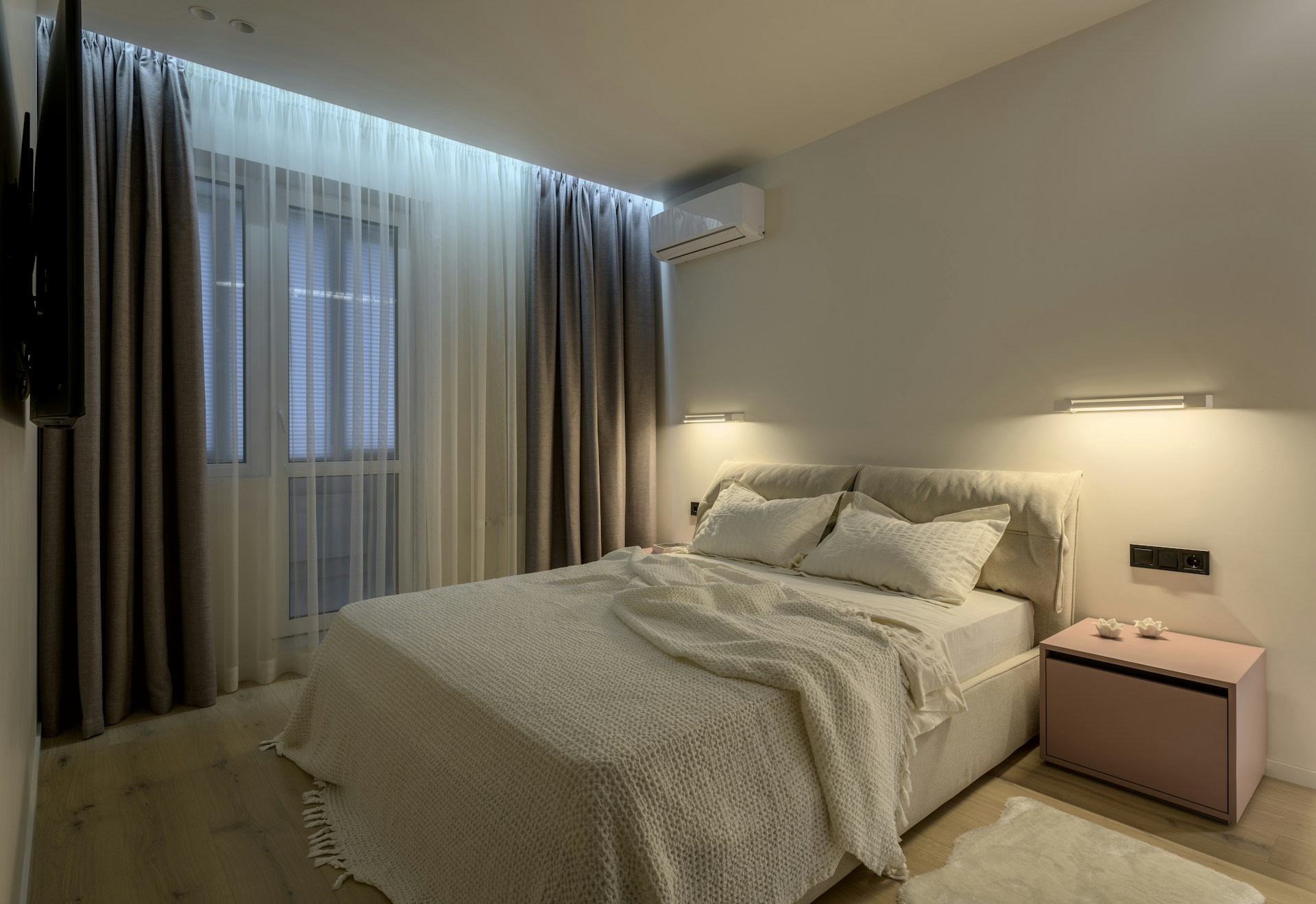
You can have the perfect routine. No phone before bed, a consistent sleep schedule, even a calming nighttime ritual. Yet you still wake up feeling exhausted. That’s because one of the biggest factors affecting your sleep isn’t what you do before bed. It’s the environment you’re sleeping in.
Your bedroom plays a massive role in how deeply you sleep, how often you wake up, and how refreshed you feel in the morning. Temperature, air quality, humidity, and even your mattress can either support your body’s recovery or quietly sabotage it night after night.
If you’ve been struggling with restless sleep, waking up tired, or feeling like you’re never fully recharged, your bedroom setup might be the hidden culprit.
Let’s break down what’s going wrong and the three most effective ways to fix it.
1. Your Mattress Might Be Working Against You
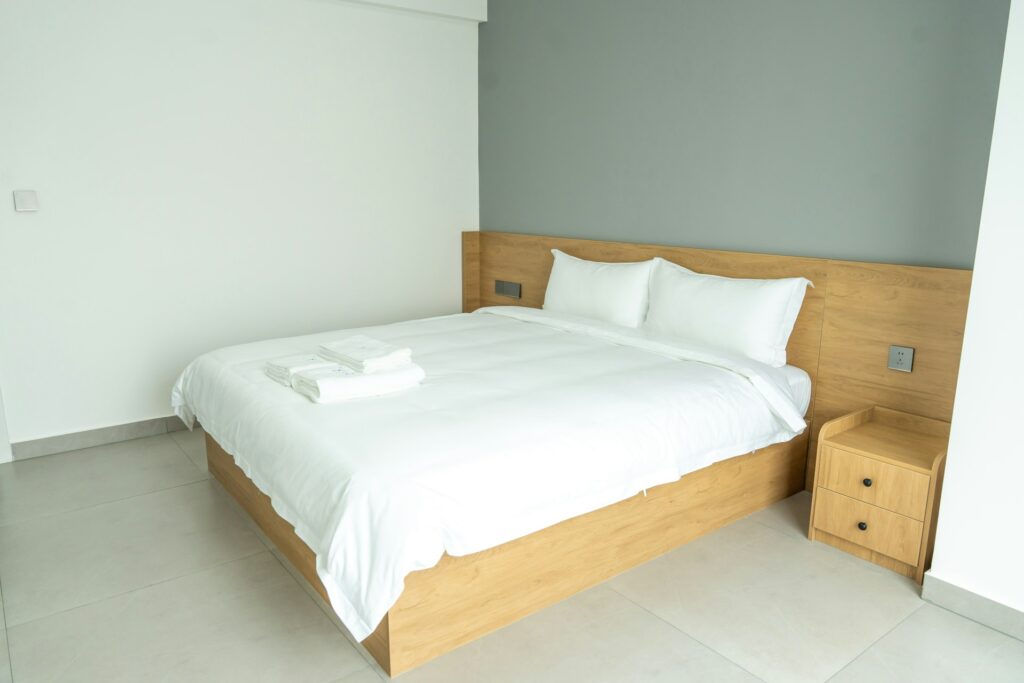
Your mattress is the foundation of your sleep. If it’s not supporting your body correctly, nothing else you do will fully fix the problem.
An old or low-quality mattress can cause:
- Poor spinal alignment
- Pressure points in your shoulders and hips
- Overheating during the night
- Frequent tossing and turning
Even if you don’t notice pain immediately, your body is constantly adjusting throughout the night to compensate. That leads to lighter, fragmented sleep and less time in deep, restorative stages.
A major issue many people overlook is temperature regulation. Traditional foam mattresses tend to trap heat, which can disrupt your body’s natural cooling process. That cooling process is a key signal that helps you fall asleep and stay asleep.
Upgrading to a modern mattress designed for airflow, support, and temperature control can dramatically improve sleep quality almost instantly.
One example worth considering is the EgoHome memory foam mattress. It’s designed with cooling fabric enhanced by graphene technology, which helps regulate body temperature instead of trapping heat. The top layer uses copper gel aerofusion memory foam that manages moisture and odor, creating a cleaner and more breathable sleep surface. Beneath that, adaptive foam improves airflow and responsiveness, while a high-density base layer provides consistent support for your neck, shoulders, and spine.
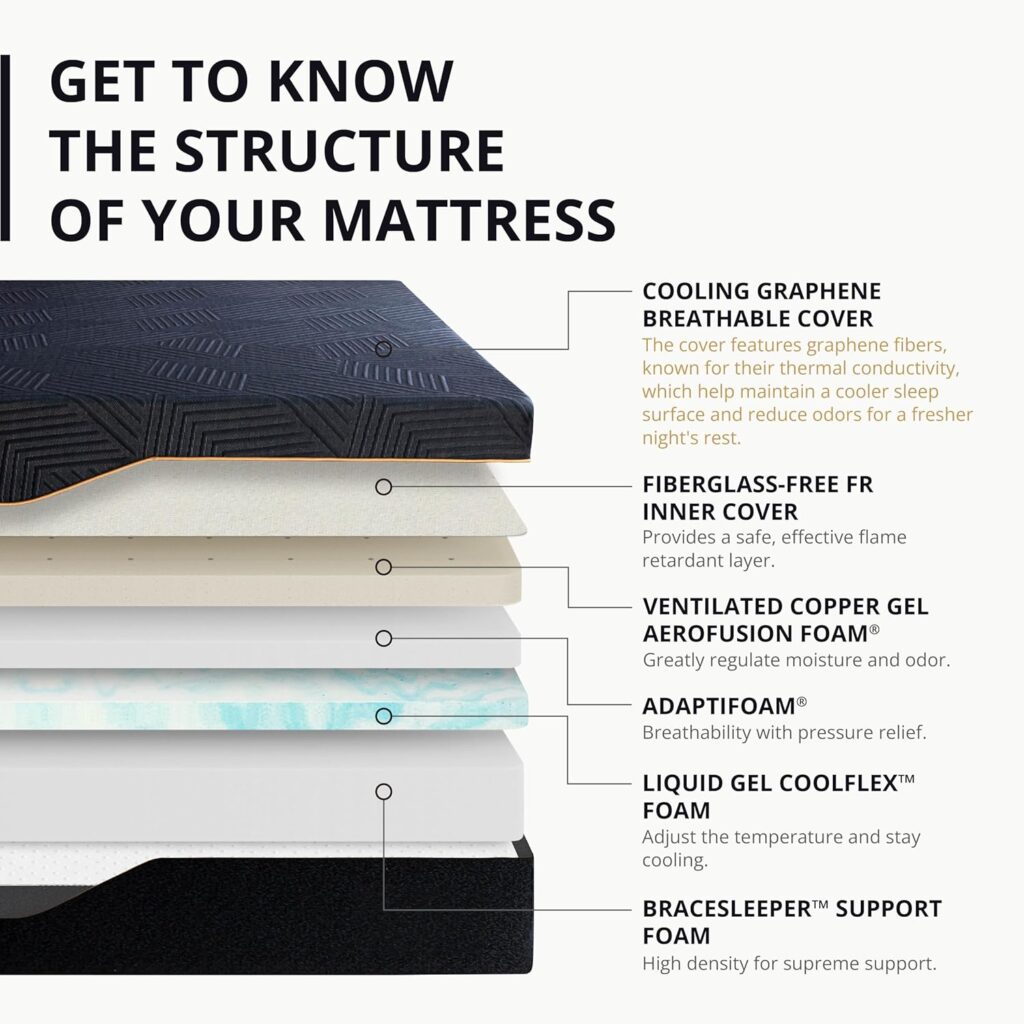
It’s also made without fiberglass or harmful fire-retardant chemicals, and the materials are CertiPUR-US certified and endorsed by the International Chiropractors Association. That speaks to both safety and ergonomic support. Plus, it arrives compressed in a box for easy setup and expands fully within about 12 hours.
The reality is simple. If your mattress isn’t actively helping your body recover, it’s likely holding you back.
2. Your Air Quality Could Be Disrupting Your Sleep
Even if your room looks clean, the air you’re breathing at night might be filled with invisible irritants. Dust, allergens, pet dander, smoke particles, and even volatile organic compounds can all be present.
Poor air quality can cause:
- Congestion or difficulty breathing
- Dry throat or coughing
- Increased allergy symptoms
- More nighttime awakenings
The worst part is that these disruptions often happen subtly. You don’t always realize they’re affecting your sleep.
Your body is extremely sensitive during rest. When your airways are even slightly irritated, it can prevent you from reaching deeper stages of sleep. This can happen even if you stay asleep the whole night.
That’s where a high-quality air purifier makes a noticeable difference.
A system like Blueair’s advanced air purifiers uses a 7-stage HEPASilent filtration process that captures 99.97% of airborne particles down to 0.1 microns, including smoke, dust, and allergens. It combines mechanical and electrostatic filtration, which helps clean the air efficiently while keeping noise levels low. Quiet operation is critical for a bedroom setup.
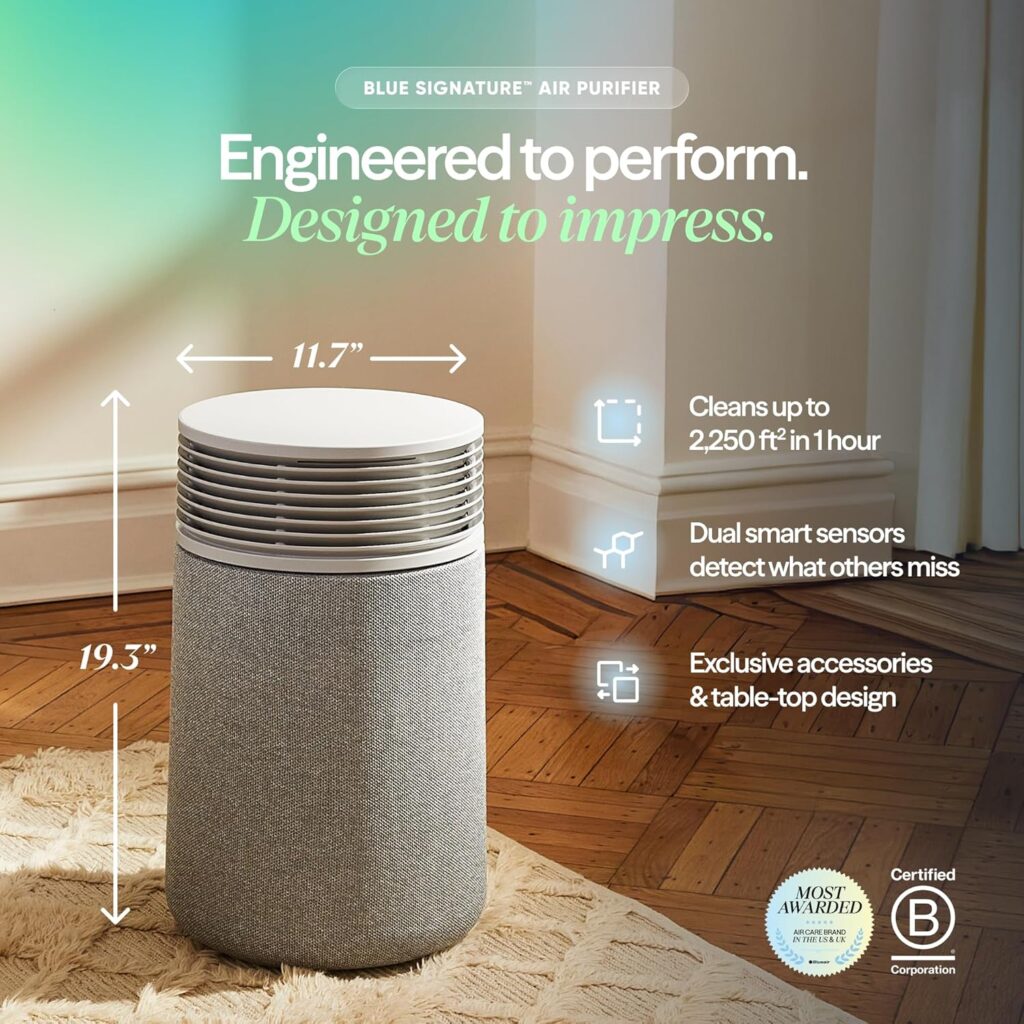
It also includes OdorFence technology that actively breaks down odors and gases, removing significantly more odor compared to standard filters. Built-in sensors monitor your air quality in real time and automatically adjust performance throughout the day, so your room stays consistently clean without constant manual adjustments.
There is also app integration and voice assistant compatibility. This allows you to track air quality trends, schedule cleanings, and receive filter alerts easily.
Cleaner air doesn’t just feel better. It allows your body to fully relax and recover without subtle interruptions.
3. Dry or Unbalanced Air Can Ruin Your Sleep Quality
Humidity is one of the most overlooked factors in sleep and one of the easiest to fix.
If your room is too dry, you might experience:
- Dry skin or lips
- Irritated sinuses
- Scratchy throat
- Increased snoring
On the other hand, too much humidity can make the room feel heavy and uncomfortable. That also disrupts sleep.
The goal is balanced humidity, typically between 40% and 60%. This helps your body stay comfortable and your airways stay clear.
A good humidifier doesn’t just add moisture. It creates a more stable and breathable environment that supports deeper sleep.
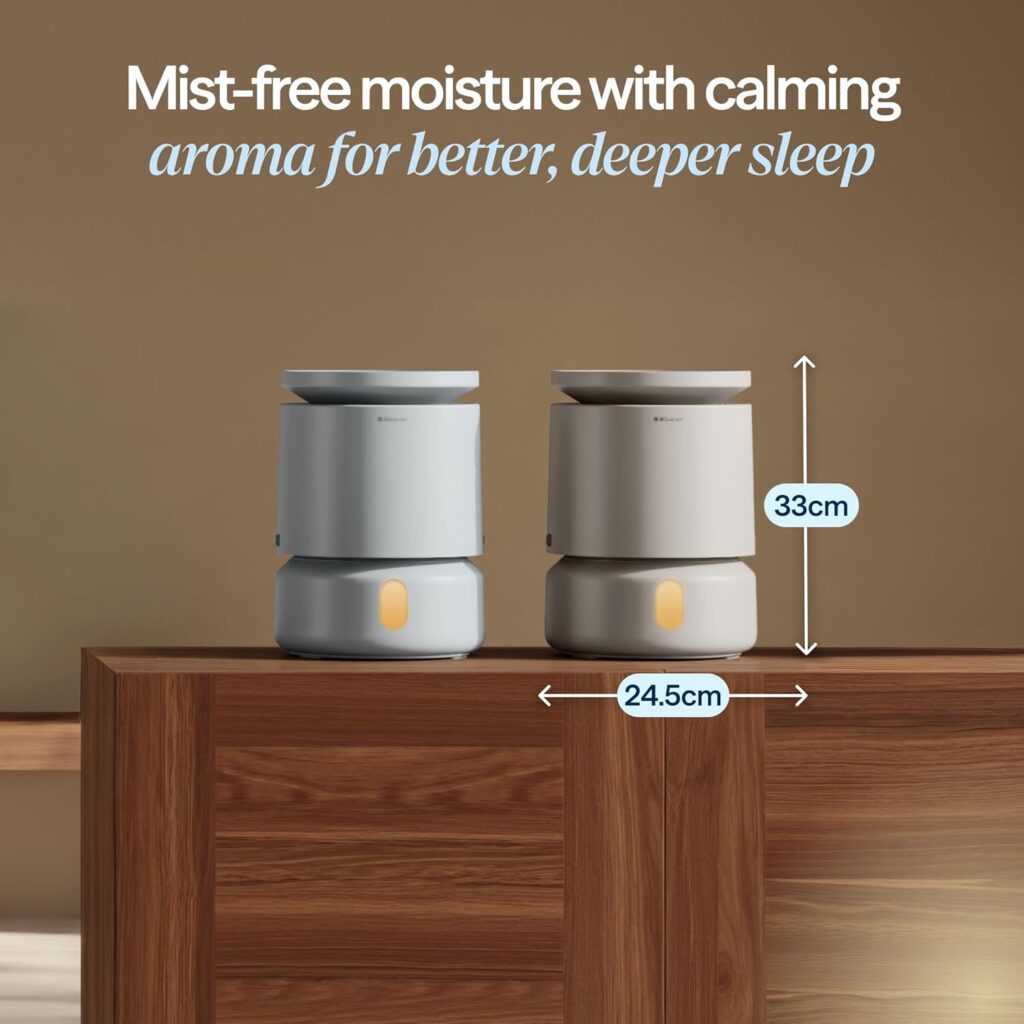
A well-designed option like Blueair’s humidifier is built specifically for bedroom use. It hydrates the air without producing visible mist, so you don’t get white dust or residue on surfaces. It can cover spaces up to 596 square feet, making it ideal for most bedrooms.
It’s also designed to be whisper-quiet at around 20 dBA, with a night mode that minimizes sound even further. This is perfect for light sleepers. The one-gallon tank can run for up to 48 hours, which means you don’t have to constantly refill it.
Another unique feature is its built-in aroma stone, which allows you to add calming essential oils like lavender or chamomile to enhance relaxation. Combined with app controls, customizable lighting, and easy cleaning, it’s a simple upgrade that can make a noticeable difference.
Balanced air doesn’t just feel better. It helps your body stay in a deeper, uninterrupted sleep cycle.
The Bigger Picture: Your Sleep Environment Matters More Than You Think
Most people try to fix sleep issues by focusing on habits. They cut caffeine, limit screen time, or go to bed earlier. Those things matter, but they only go so far if your environment isn’t supporting you.
Think of it this way:
- Your mattress affects how your body physically recovers
- Your air quality affects how easily you breathe and relax
- Your humidity affects overall comfort and airway health
If even one of these is off, your sleep suffers.
But when all three are optimized, your body can finally do what it’s supposed to do. It can fully recharge.
What You Might Notice After Fixing These
Once your sleep environment is dialed in, the improvements can feel almost immediate:
- Falling asleep faster without tossing and turning
- Fewer random wake-ups during the night
- Waking up feeling more refreshed and clear-headed
- Less stiffness, congestion, or dryness
Over time, better sleep compounds into better energy, mood, focus, and overall health.
Final Thoughts
If you’ve been blaming your sleep problems on stress, your schedule, or just bad sleep, it might be time to look at your bedroom itself.
Your environment is either helping you recover or quietly working against you.
Start with the basics:
- Upgrade your mattress so your body is properly supported
- Clean your air so your breathing stays uninterrupted
- Balance your humidity so your environment feels natural and comfortable
These aren’t complicated changes, but they are powerful ones.
Once you experience what truly good sleep feels like, it’s hard to go back.