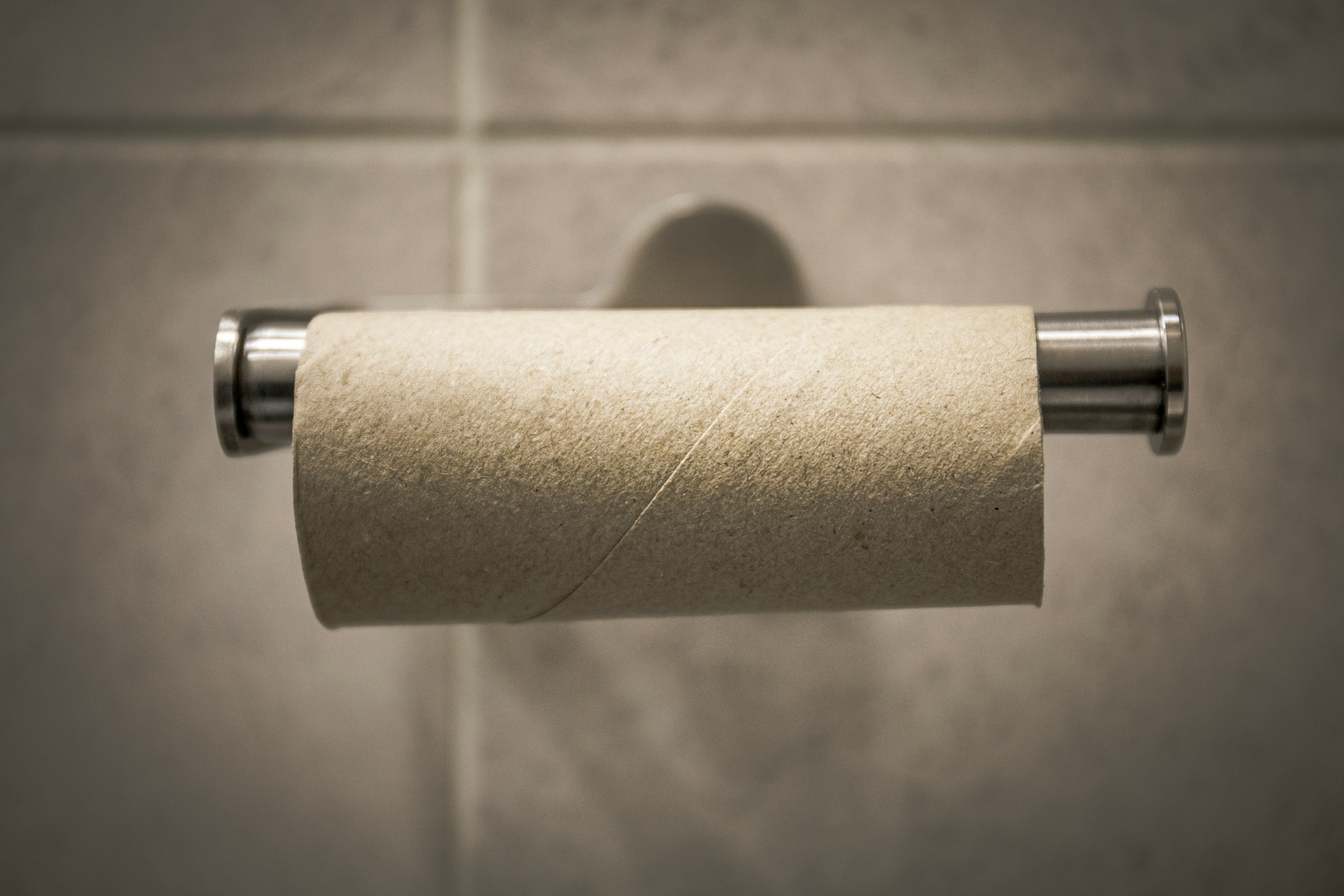
Toilet paper is one of those household basics that seems to disappear faster than expected. You buy a big pack, put it away, and somehow you are back at the store sooner than planned.
You do not have to start rationing it or make your bathroom routine complicated. A few small changes can help your household go through less toilet paper while still keeping things comfortable and convenient.
1. Pay Attention to How Much You’re Actually Using
Most of us use toilet paper without thinking about it, which makes it easy to grab much more than necessary.
You do not need to count individual sheets, but simply being a little more mindful can make a difference. Instead of automatically pulling off a huge handful, start with less and grab more only if you actually need it.
It sounds almost too simple, but small habits add up quickly when several people in the house are doing the same thing every day.
2. Add a Bidet to Your Bathroom
One of the easiest ways to reduce toilet paper use is to rely less on toilet paper in the first place.
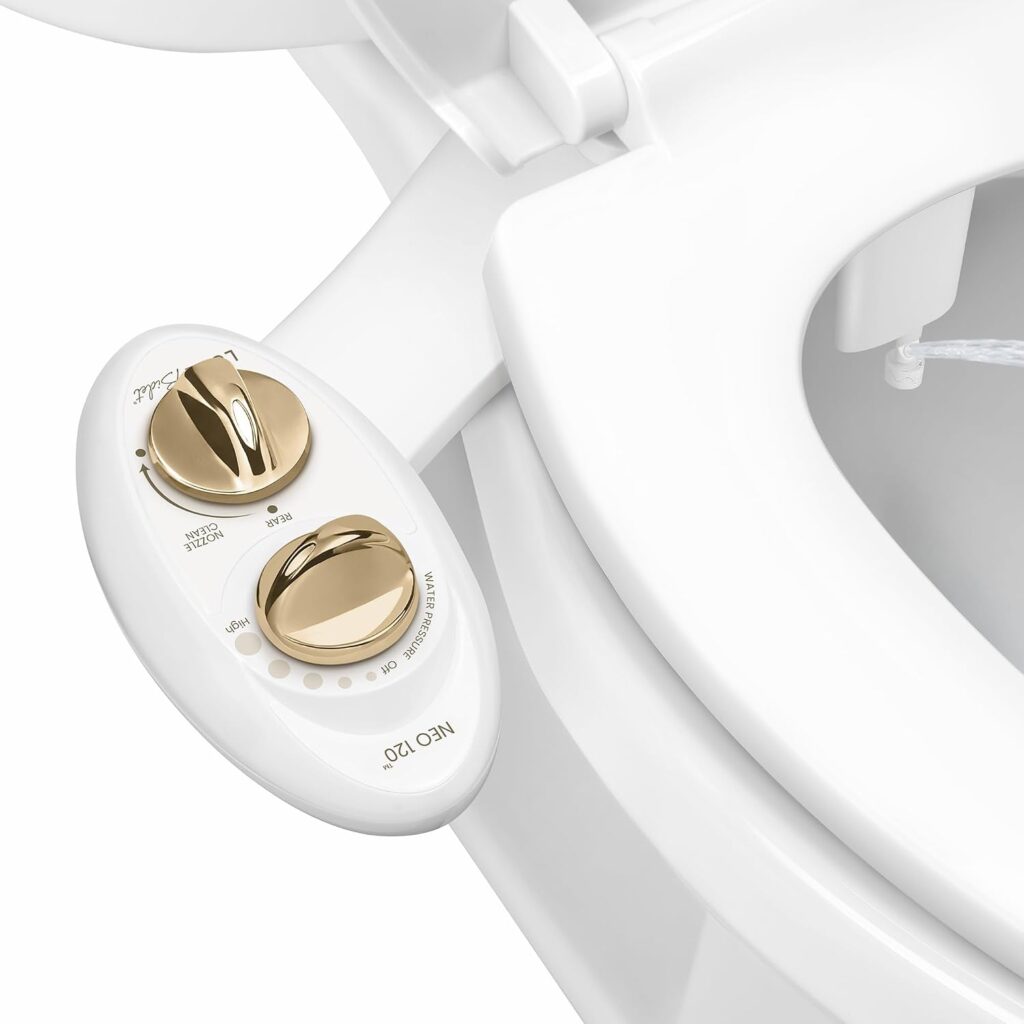
A bidet attachment can add a stream of water to an existing toilet, helping with cleanup before you reach for paper. You may still want a small amount of toilet paper afterward, but generally much less than you would use otherwise.
This is also an upgrade that does not necessarily require replacing the entire toilet or doing a major bathroom renovation.
There are plenty of attachment-style options available. LUXE Bidet, for example, makes bidet attachments designed to work with existing toilets, making this type of upgrade relatively easy to add to a bathroom.
3. Keep Toilet Paper Somewhere Dry
Where you store extra rolls matters more than you might think.
Bathrooms can get humid, especially after showers. Toilet paper that absorbs moisture can become soft, damaged, or harder to use efficiently.
Keep backup rolls in a cabinet, closed basket, linen closet, or another dry area whenever possible. You will also avoid accidentally knocking spare rolls onto a wet floor, which is one of the quickest ways to waste an entire roll.
4. Stop Using Toilet Paper for Everything
Toilet paper often becomes the default solution for little bathroom messes.
A splash of water on the counter? Toilet paper. Makeup spilled near the sink? Toilet paper. Something needs a quick wipe? More toilet paper.
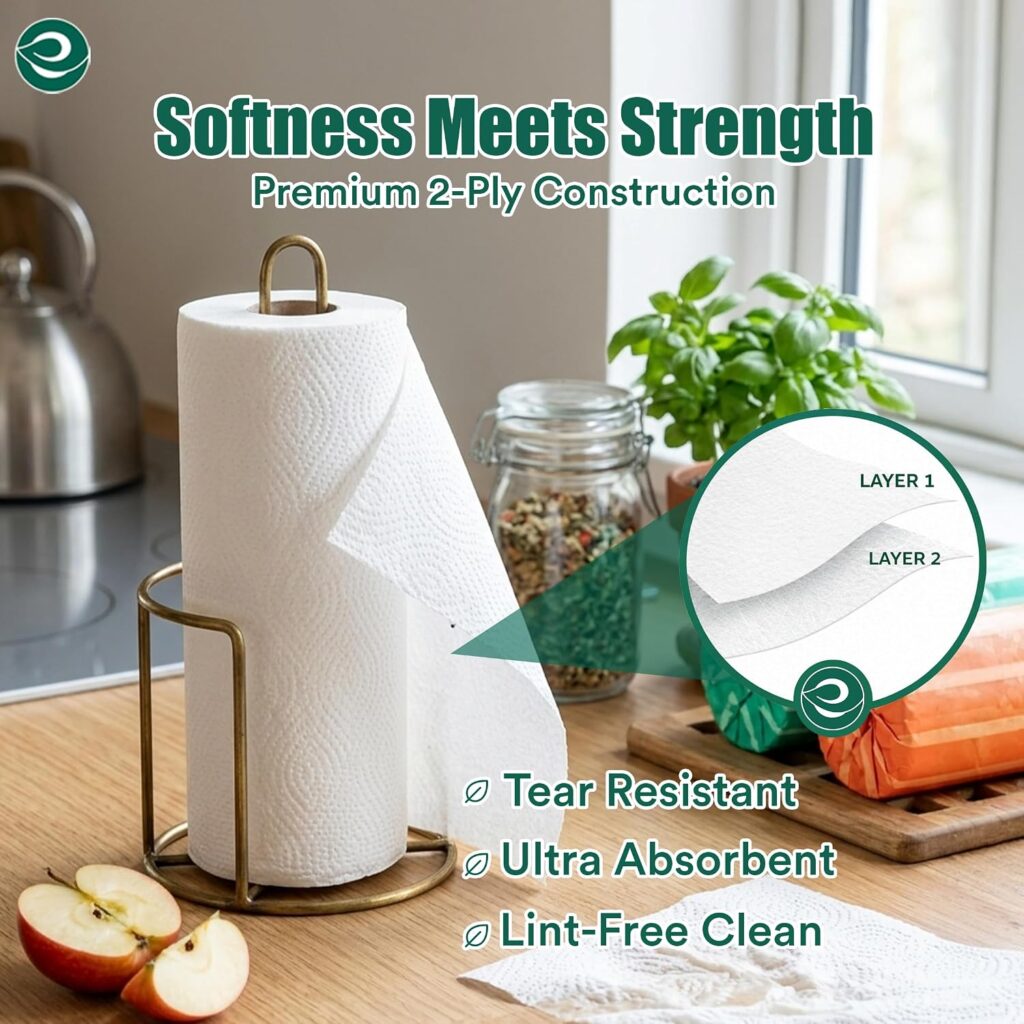
Instead, keep washable cleaning cloths or paper towels nearby for wiping counters, sinks, mirrors, and other surfaces. Save the toilet paper for what it is actually meant for.
5. Check How Your Toilet Paper Holder Dispenses
Sometimes people use extra paper simply because the roll spins too freely.
If one tug sends half the roll unraveling toward the floor, you are probably going through more than necessary.
Make sure the holder lets the roll move easily without spinning uncontrollably. Even something as small as repositioning the holder or choosing one with a little more resistance can help.
6. Put Fewer Rolls Within Easy Reach
Having six rolls stacked next to the toilet can sometimes make everyone a little less careful about how much they use.
Try keeping one current roll and one backup nearby while storing the rest somewhere else.
You are not actually limiting anyone’s access to toilet paper. It simply makes the supply feel less endless, which can encourage everyone to be a little more mindful.
7. Buy Based on Value, Not Just Roll Count
A package with more rolls is not necessarily the better deal.
Roll sizes, sheet counts, thickness, and number of plies can vary quite a bit between brands. Comparing the amount of paper you are actually getting can give you a better idea of which option lasts longest in your household.
You may find that slightly larger or more absorbent rolls last longer even if the package contains fewer of them.
Small Changes Can Make a Pack Last Much Longer
You probably do not need to dramatically change your bathroom routine to make toilet paper last longer.
Using a little less at a time, keeping rolls protected from moisture, switching to reusable cloths for cleaning, and adding something like a bidet can all reduce how quickly you work through your supply.
The goal is simply to waste less of something your household is going to keep buying anyway. And when those small savings happen every day, that giant pack of toilet paper might finally last as long as you thought it would.