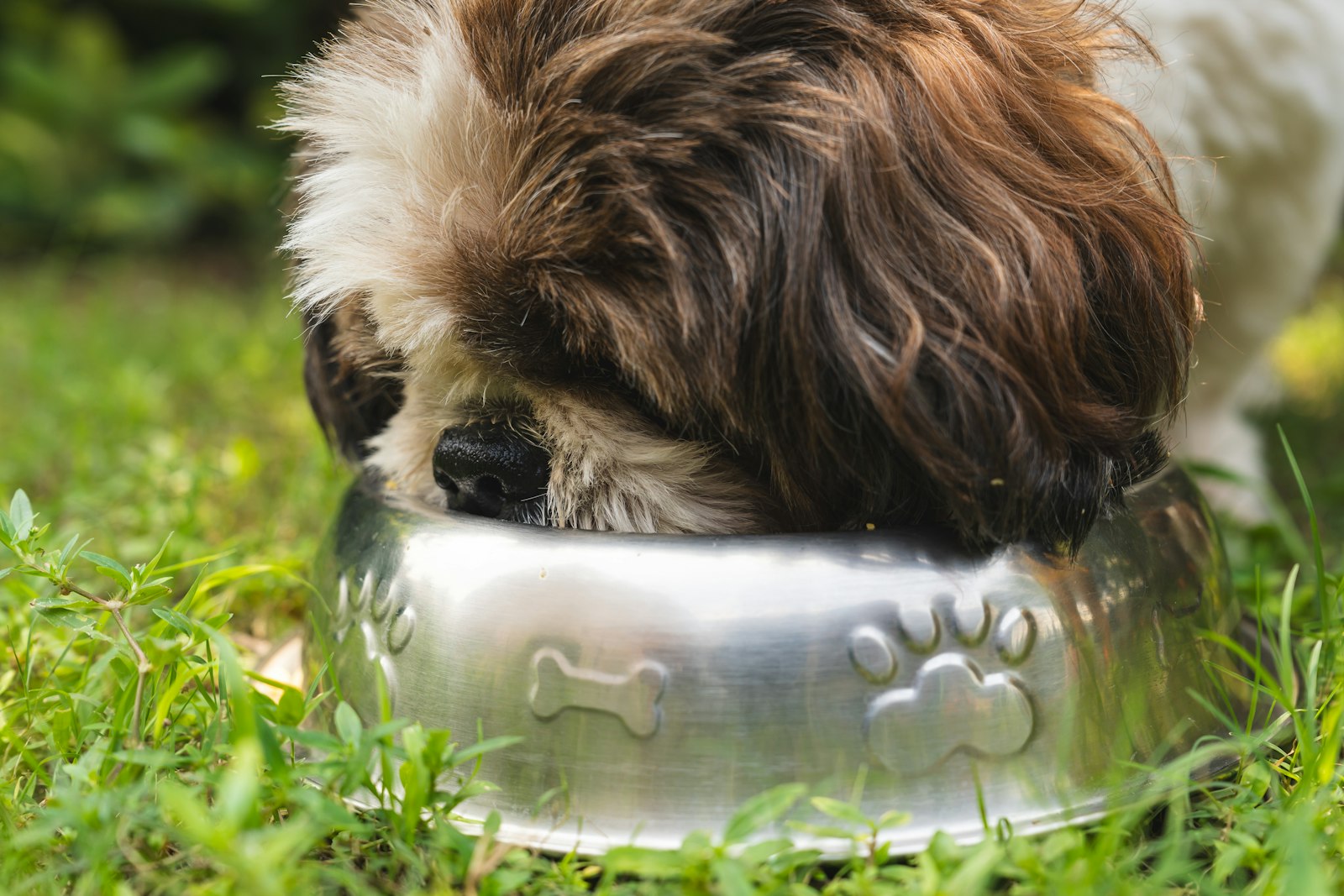
New bag, new flavor, same dog. Then two days later you’re cleaning up the hallway at 6 a.m.
Most dogs handle a food change just fine. The trouble usually comes from switching too fast. Their gut gets used to one recipe, and a sudden swap can mean gas, loose stool, or a dog who suddenly won’t touch dinner.
The fix is mostly patience. Here’s how to make the switch without the mess.
1. Make Sure You Actually Need to Switch
Plenty of dogs eat the same food for years and do great. That’s not boring to them. It’s normal.
Good reasons to change include:
- Your vet recommended it
- Your puppy is ready for adult food, or your adult dog is heading into their senior years
- Ongoing itching, a dull coat, or frequent stomach upset
- The old formula was discontinued or recalled
- Your dog needs to lose (or gain) some weight
If none of those apply and your dog is doing well, there’s no rule that says you have to rotate foods.
Read now: How to Keep Your Dog Safe and Comfortable This Winter
2. Buy the New Food Before the Old Bag Runs Out
This is the step almost everyone skips. You notice the bag is nearly empty, grab something different, and suddenly it’s a cold-turkey switch.
Pick up the new food while you still have about a week’s worth of the old one. That leftover is what makes a slow transition possible.
3. Mix Old and New Over About a Week
Most vets suggest spreading the change over 7 to 10 days, shifting the ratio a little at a time.
| Days | Old food | New food |
|---|---|---|
| 1–2 | 75% | 25% |
| 3–4 | 50% | 50% |
| 5–6 | 25% | 75% |
| 7 and on | 0% | 100% |
Measure the total amount the same way you always do. You’re changing what’s in the bowl, not how much.
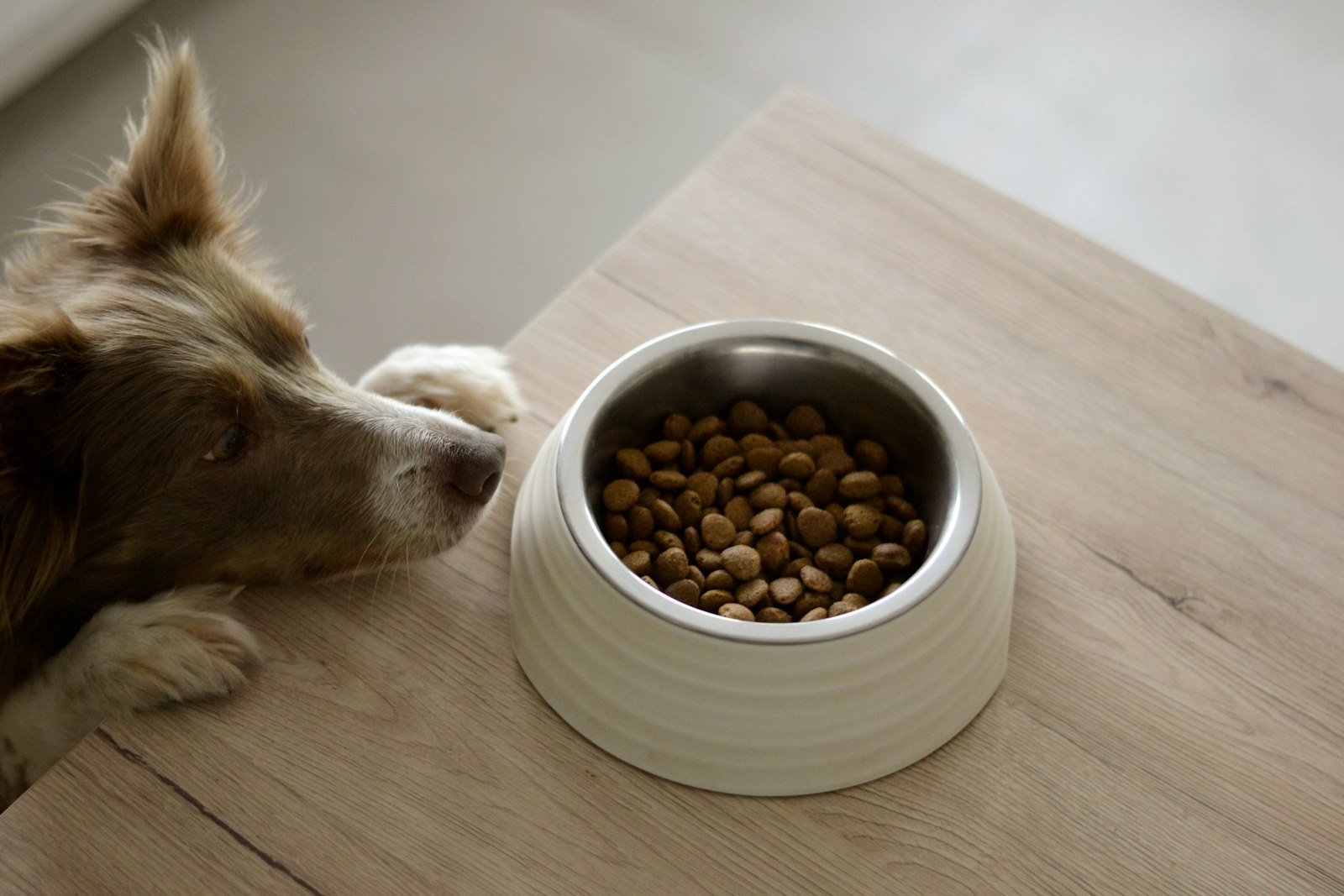
Got a picky eater? Easing the new food in slowly also helps the dog who turns their nose up at anything unfamiliar.
4. Keep an Eye on What Comes Out
Not glamorous, but your dog’s poop is the best progress report you’ll get.
Slightly softer stool for a day or two is common. Watery stool, vomiting, or a dog who seems uncomfortable means it’s time to slow down.
If that happens, go back to the last ratio that worked and stay there a few extra days before moving forward again.
Myth vs. Fact
Myth: Dogs get bored eating the same food every day.
Fact: Most dogs are happy with routine. They have far fewer taste buds than we do, and consistency is easier on their stomach.
Myth: Grain-free is always the healthier choice.
Fact: Not necessarily. The FDA has looked into a possible link between some grain-free diets and heart disease in dogs, so it’s worth asking your vet first.
Myth: If the new food upsets their stomach, it’s the wrong food.
Fact: Sometimes it’s just the speed. Try slowing down the switch before giving up on it.
5. Give Sensitive Stomachs Extra Time
Some dogs need closer to two weeks, especially seniors, small breeds, and dogs with a history of tummy trouble.
Stretch each step of the schedule to three or four days instead of two. Slow is fine. Slow is the point.
If your dog deals with itchy skin and a touchy stomach at the same time, a food made for both can be worth asking your vet about. A salmon-based sensitive skin and stomach formula is one popular option, with oatmeal that’s easy to digest and added probiotics.

Whatever you choose, the same slow-switch rules apply.
6. Don’t Change Everything at Once
During the switch, keep the rest of the routine boring. Same feeding times, same bowl, same walks.
Hold off on new treats and chews too. If your dog’s stomach acts up, you want to know it was the food and not the new bully stick.
Once the transition is done and things look normal for about a week, you can bring the extras back.
7. Know When to Call the Vet
Call your vet if you see vomiting or diarrhea that lasts more than a day or two, blood in the stool, a dog who won’t eat at all, or one who seems unusually tired.
Those can point to something bigger than a food change, and they’re worth getting checked.
Read now: When Should You Call a Vet? What Every Pet Owner Should Know
Quick Questions
A few things people usually ask mid-switch:
Can I switch my dog’s food cold turkey?
It’s possible, but it’s a gamble. If the old food was recalled or is making your dog sick, your vet may tell you to switch right away. Otherwise, go slow.
What if my dog eats around the new food?
Some dogs are expert sorters. Mix the kibble more thoroughly, or add a splash of warm water so everything smells the same.
How do I switch from wet food to dry?
Use the same gradual schedule, but expect it to take a little longer. The texture change is a bigger adjustment than a flavor change.
The Bottom Line
Switching dog food isn’t complicated. It just takes a week of mixing and a little attention.
Plan ahead, go slow, and let your dog’s stomach set the pace. Your floors will thank you.