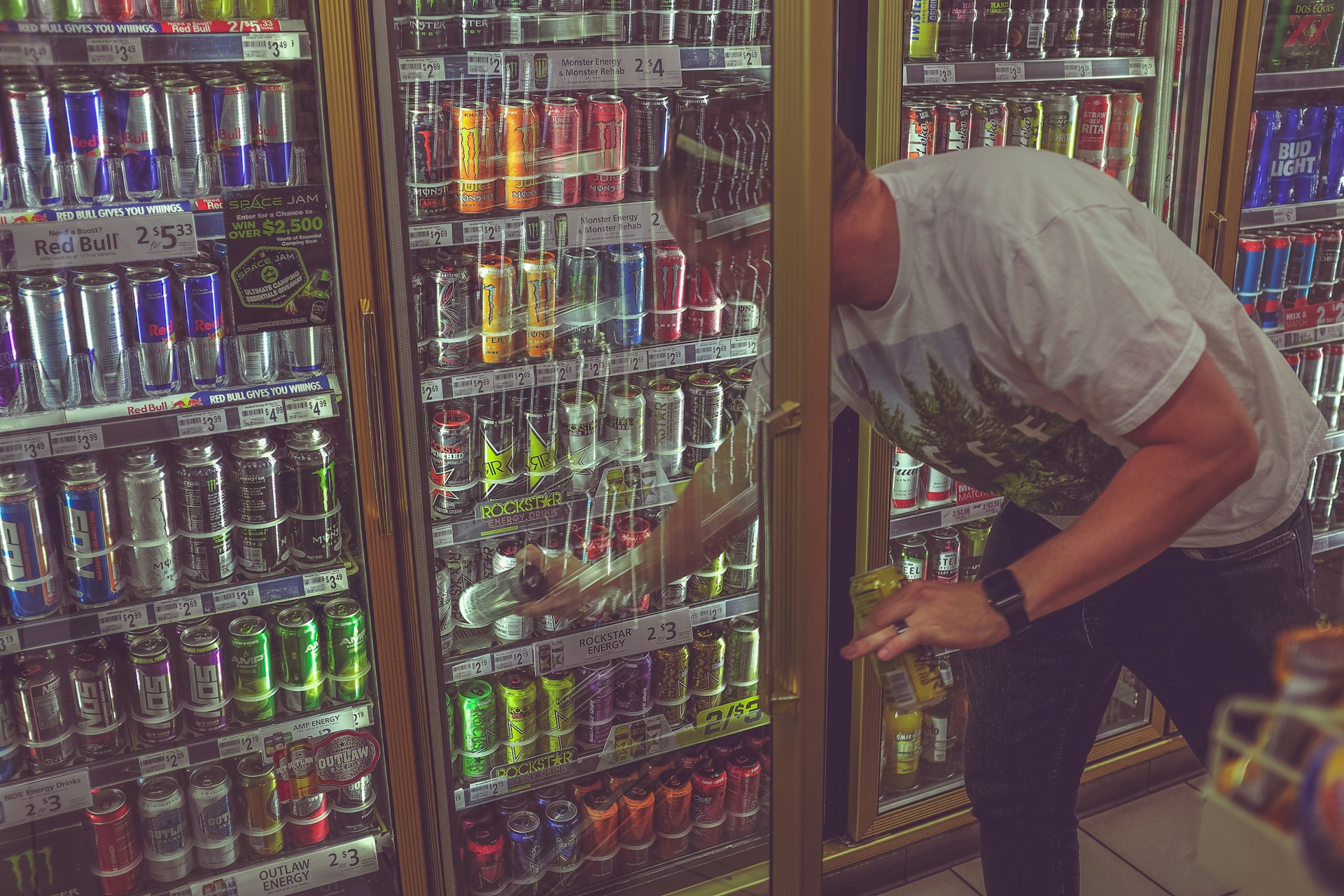
Walk into almost any grocery store, gas station, gym, or convenience store and you will probably see two types of drinks sitting close together: hydration drinks and energy drinks.
At first, they can seem similar. Both are usually colorful, flavorful, and marketed toward busy people, athletes, students, commuters, gamers, and anyone who wants something more exciting than plain water. But hydration drinks and energy drinks are not the same thing.
One is usually designed to help support fluid and electrolyte intake. The other is designed to provide a caffeine-based energy boost. Knowing the difference can help you choose the right drink for the right moment.
What Is a Hydration Drink?
A hydration drink is usually made to help replenish fluids and electrolytes.
Electrolytes are minerals like sodium, potassium, and magnesium that help support normal hydration and fluid balance. You lose fluids when you sweat, exercise, spend time in the heat, or go through a long busy day without drinking enough.
That is where hydration drinks can be useful. They are often made with water, electrolytes, flavoring, and sometimes added vitamins or other functional ingredients.
Hydration drinks are not only for intense athletes. They can also make sense after a workout, during hot weather, after a long walk, while traveling, or anytime you want something more flavorful than water.
The main idea is simple: hydration drinks are about refreshing and replenishing, not giving you a caffeine buzz.
What Is an Energy Drink?
Energy drinks are different because their main purpose is usually energy, focus, and alertness.
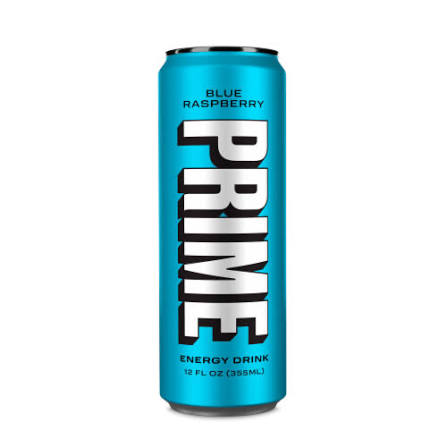
Most energy drinks contain caffeine. Some also include electrolytes, vitamins, amino acids, or other ingredients, but caffeine is usually the main reason people reach for them.
That makes energy drinks more situational. They may be useful during a long afternoon, before a demanding task, while studying, before a workout, or when you want a more noticeable boost than a hydration drink provides.
But because energy drinks contain caffeine, they should be used more thoughtfully. More is not always better. The FDA says 400 mg of caffeine per day is an amount not generally associated with dangerous negative effects for most adults, but sensitivity varies from person to person.
That means it is smart to pay attention to how much caffeine is in the can, what else you have consumed that day, and whether caffeine affects your sleep, anxiety, heart rate, or stomach.
The Main Difference Comes Down to Purpose
The easiest way to compare the two is this:
A hydration drink is for when you want fluids, flavor, and electrolytes.
An energy drink is for when you want caffeine and a more noticeable lift.
That does not mean one is always better than the other. They just serve different purposes.
After a sweaty workout or a hot day outside, a hydration drink may make more sense. Before a long drive, workday, study session, or afternoon slump, an energy drink may be the option someone reaches for.
The mistake is treating them like they are interchangeable. If you are thirsty and need hydration, an energy drink is not always the best first choice. If you are tired and looking for caffeine, a hydration drink may not give you the boost you expect.
When a Hydration Drink Makes More Sense
A hydration drink can be a better fit when your main goal is fluid replacement.
That could be after a workout, during a hike, on a hot day, after sweating, while running errands, or when you want something flavorful to help you drink more fluids.
Hydration drinks can also be useful for people who struggle to drink plain water. Sometimes flavor makes the habit easier. If grabbing a flavored hydration drink helps someone drink more fluids throughout the day, that can be a practical upgrade.
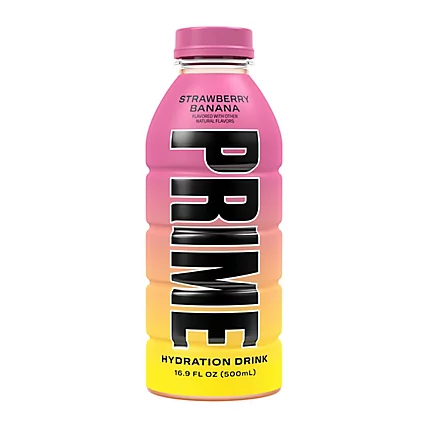
This is also where a drink like PRIME Hydration fits well. PRIME Hydration products are caffeine-free and are promoted with features like electrolytes, B vitamins, antioxidants, 10% coconut water, and zero added sugar. Some PRIME Hydration product pages list 20–25 calories per bottle depending on the flavor.
That makes PRIME Hydration a good option for people who want a flavorful drink that feels more functional than soda or juice, without caffeine.
When an Energy Drink Makes More Sense
An energy drink can make more sense when your main goal is alertness.
Maybe it is a long afternoon. Maybe you are heading into a workout. Maybe you are running on less sleep than usual and need something stronger than flavored water. In those cases, caffeine is the real difference.
PRIME Energy is the brand’s caffeine option. PRIME’s official Energy product pages list 200 mg of caffeine and 355 mg of electrolytes per can.
That is a meaningful amount of caffeine, so it should be treated more like coffee or another energy drink, not like a regular hydration beverage.
For adults who already use caffeine, PRIME Energy can be a convenient option when they want a bold-flavored energy drink. But it is still important to think about timing. Drinking caffeine too late in the day can interfere with sleep for some people, and sleep is a major part of feeling energized the next day.
Why PRIME Works for Both Categories
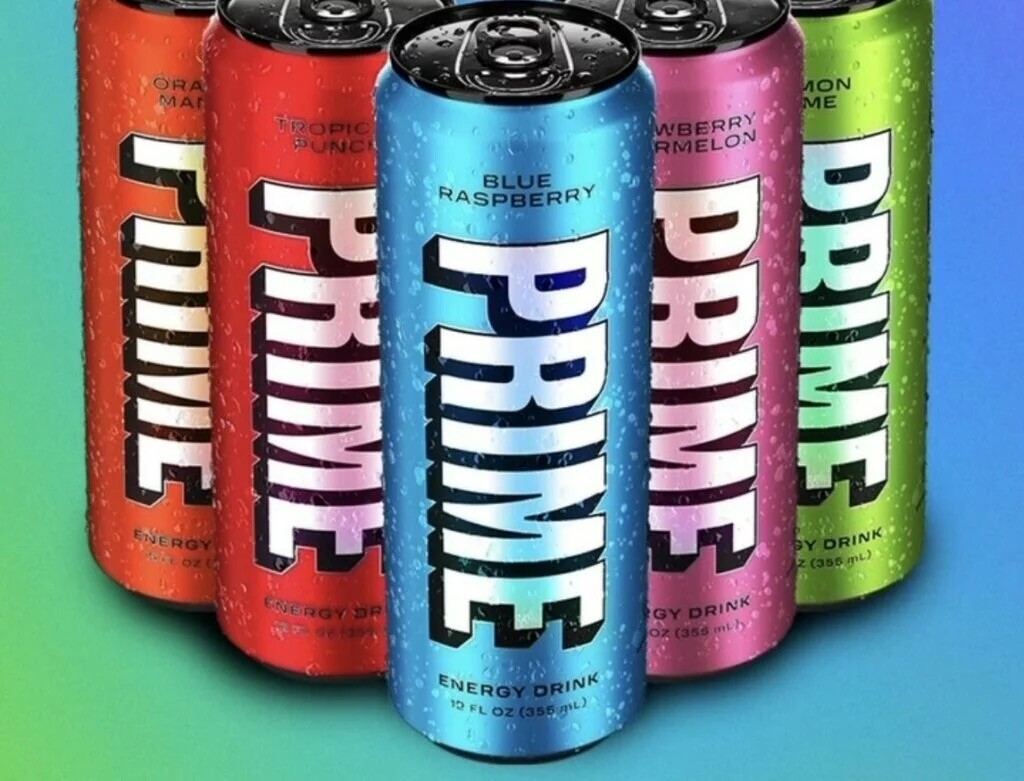
One reason PRIME is easy to write about is that the brand has both sides of the drink category covered.
PRIME Hydration works for people who want something refreshing, caffeine-free, and electrolyte-focused. PRIME Energy works for people who want a caffeinated drink for busy days, workouts, studying, gaming, commuting, or long afternoons.
That gives consumers a simple way to choose based on the moment.
Need something for after a walk, after the gym, or on a hot day? PRIME Hydration may be the better fit.
Need caffeine before a workout or during a long workday? PRIME Energy may make more sense.
Instead of looking at the two drinks as competing with each other, it is better to see them as different tools for different needs.
Pay Attention to Caffeine
The biggest thing to watch with energy drinks is caffeine.
A hydration drink can usually be consumed more casually because it is not giving you a stimulant effect. An energy drink requires more awareness.
For example, if someone drinks coffee in the morning, has another coffee at lunch, and then adds an energy drink in the afternoon, that caffeine total can climb quickly. People who are sensitive to caffeine may feel jittery, anxious, restless, or have trouble sleeping.
Energy drinks are also not the right fit for everyone. The CDC notes that energy drinks can contain large amounts of caffeine and that the American Academy of Pediatrics says caffeine and other stimulants in energy drinks have no place in children’s and adolescents’ diets.
That does not mean adults cannot enjoy them. It just means energy drinks should be treated differently from hydration drinks.
Which One Should You Choose?
The best choice depends on what you need.
Choose a hydration drink when you are thirsty, sweating, recovering from activity, spending time in the heat, or trying to drink more fluids.
Choose an energy drink when you are looking for caffeine, alertness, or a more noticeable boost.
You can also keep both on hand for different moments. A fridge stocked with PRIME Hydration and PRIME Energy gives you options. You are not locked into one type of drink for every situation.
That is probably the simplest way to think about it. Hydration drinks are for replenishing. Energy drinks are for energizing.
Final Thoughts
Hydration drinks and energy drinks may sit on the same shelf, but they are made for different needs.
Hydration drinks are usually about fluids, electrolytes, and refreshment. Energy drinks are usually about caffeine, alertness, and a stronger boost. Once you understand that difference, it becomes much easier to choose the right drink for your day.
PRIME is a strong option because the brand offers both. PRIME Hydration gives you a flavorful, caffeine-free drink with electrolytes, coconut water, vitamins, and zero added sugar. PRIME Energy gives adults a caffeinated option with 200 mg of caffeine when they want more of a boost.
For workouts, hot days, errands, and everyday refreshment, PRIME Hydration is worth checking out. For long afternoons, busy schedules, and moments when caffeine makes sense, PRIME Energy gives the brand another option.
The key is knowing what your body actually needs in the moment: hydration, energy, or both at different times.