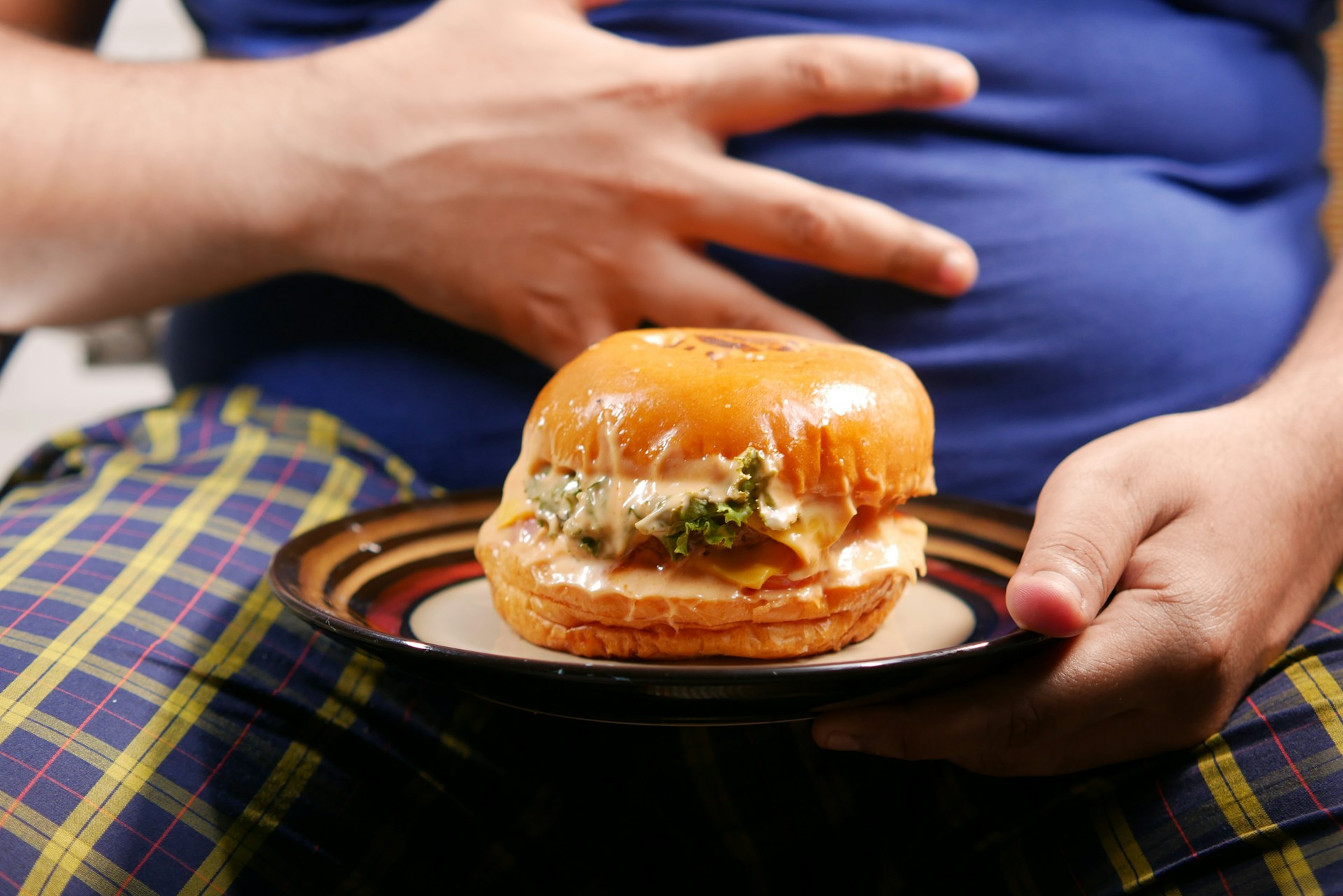
Some meals leave you feeling satisfied. Others leave you feeling heavy, bloated, gassy, or uncomfortable long after you are done eating. It might happen after a big dinner, a rich restaurant meal, too much dairy, fried foods, beans, certain vegetables, or simply eating too fast on a busy day.
Occasional post-meal discomfort is common, but it can still be frustrating. You eat a normal meal and expect to feel energized, only to end up feeling sluggish, tight, or overly full. When that happens regularly, it may be a sign that your digestion could use more support.
Your gut is responsible for breaking down food, absorbing nutrients, moving things along, and helping your body process what you eat. When meals are larger, heavier, or harder to digest, your digestive system may have to work harder than usual. The good news is that small habits and smart support tools can make mealtime feel more comfortable.
Why Some Meals Feel Harder to Digest
Not every meal affects the body the same way. A light meal with simple ingredients may feel easy, while a rich meal with multiple food groups may feel heavier. Meals that are high in fat, large in portion size, or eaten quickly can leave some people feeling overly full or uncomfortable.
Gas and bloating can happen for several reasons. Mayo Clinic notes that gas or bloating may occur when the digestive system has trouble breaking down and absorbing certain foods, such as lactose or gluten-containing foods for people with sensitivities. Constipation can also make it harder to pass gas, which can contribute to discomfort.
That does not mean every case of bloating is serious. Sometimes it is simply a response to the way you ate, what you ate, or how much you ate. But if meals often leave you uncomfortable, it is worth paying attention to patterns.
Eating Too Fast Can Work Against Your Digestion
One of the simplest reasons people feel uncomfortable after meals is speed. When you eat quickly, you may swallow more air, chew less thoroughly, and give your body less time to recognize fullness.
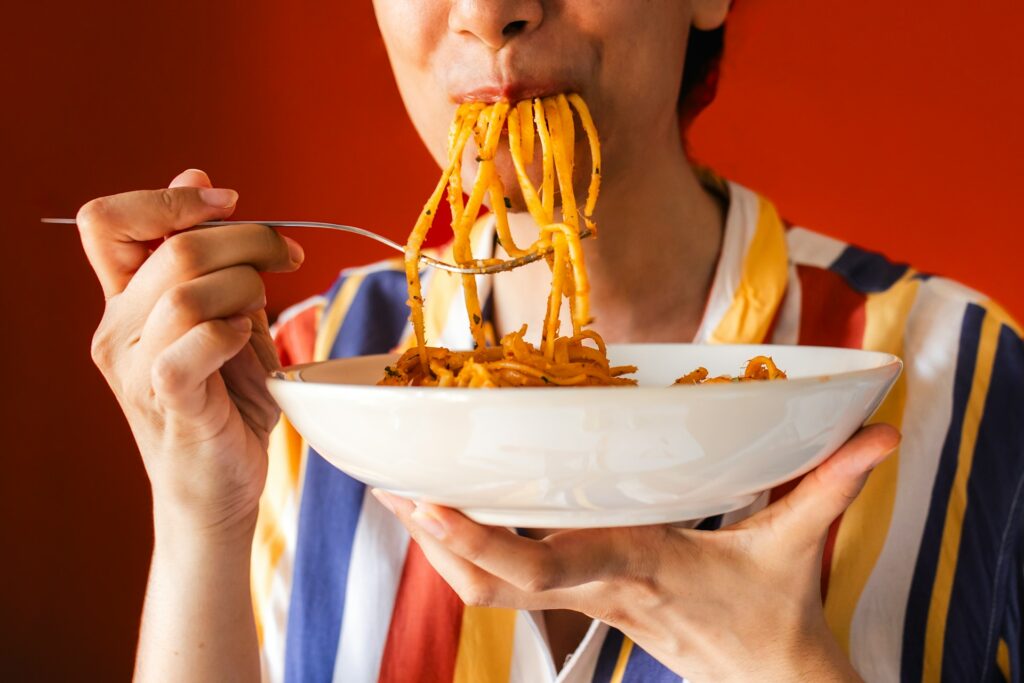
Chewing matters because digestion starts before food reaches the stomach. Breaking food down into smaller pieces makes it easier for the rest of your digestive system to do its job. When food is not chewed well, your stomach and intestines have more work to do.
Eating slower can help. Try putting your fork down between bites, drinking water during the meal, and giving yourself a few extra minutes instead of eating while rushed. This is especially helpful with heavier meals.
Portion Size Can Make a Big Difference
Even healthy foods can leave you uncomfortable if the portion is too large. A big plate of vegetables, grains, protein, beans, or dairy can still be a lot for your digestive system to process at once.
Large meals may create more pressure and fullness, especially if they are rich or eaten late at night. Smaller, more balanced portions can be easier to tolerate.
If you often feel heavy after eating, try paying attention to meal size before blaming one specific food. Sometimes the issue is not the ingredient itself but the amount eaten in one sitting.
Certain Foods Are More Likely to Cause Gas or Bloating
Some foods are more likely to create gas because of how they break down in the digestive tract. Beans, lentils, cruciferous vegetables, dairy products, carbonated drinks, high-fat meals, and very high-fiber meals can be common triggers for some people.
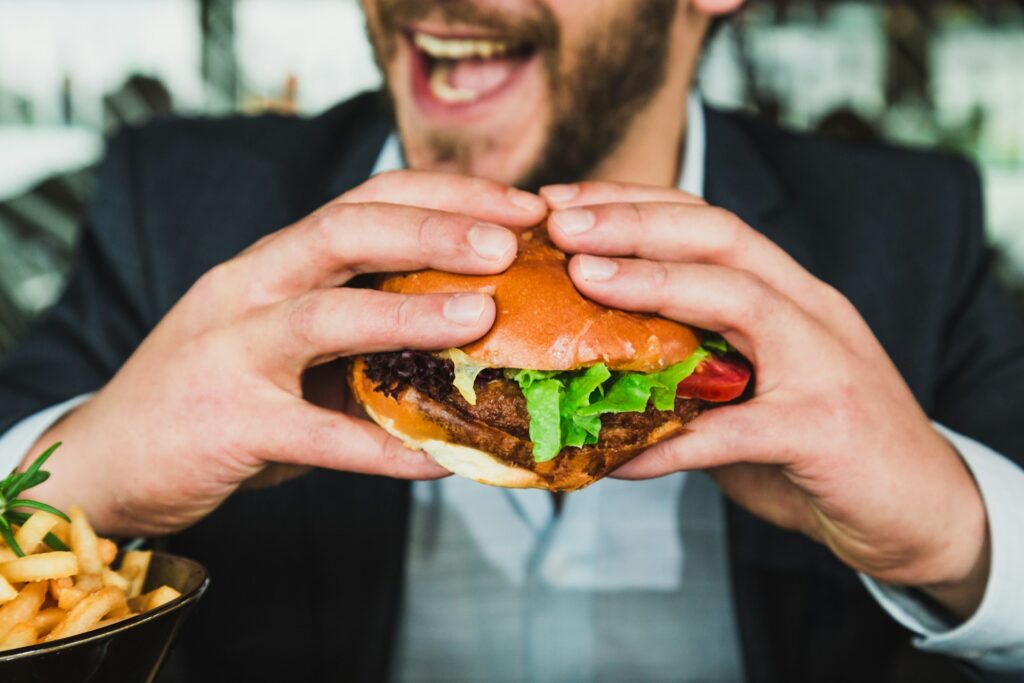
This does not mean those foods are “bad.” Many of them are nutritious. The issue is that different bodies tolerate foods differently. A meal that feels fine for one person may cause bloating for another.
Keeping a simple food and symptom journal can help you spot patterns. You do not need to track every detail forever. Just writing down what you ate and how you felt afterward for a couple of weeks can reveal useful clues.
Stress Can Affect How Meals Feel
Digestion is not only about food. Stress can also affect how your body feels after eating.
When you are stressed, rushed, or distracted, your body may not feel as relaxed during meals. You might eat faster, breathe differently, chew less, or choose heavier comfort foods. Stress can also affect gut comfort for some people.
This is why a calm mealtime routine can help. Even a small pause before eating, a few slow breaths, or stepping away from your desk can make meals feel less rushed. Your body often digests better when you are not eating in panic mode.
Hydration and Movement Matter Too
Water supports digestion and helps your body process food more comfortably. If you are dehydrated, eating a heavy meal may feel worse. This is especially true if your diet is higher in fiber, since fiber works best when paired with enough fluid.

Light movement can also help. A short walk after eating may make you feel less sluggish than immediately sitting or lying down. You do not need intense exercise after a meal. In fact, gentle movement is usually better.
Small habits like drinking water regularly, walking after dinner, and avoiding long periods of sitting after meals can support a more comfortable routine.
Where Digestive Enzymes Fit In
Digestive enzymes are naturally produced by the body to help break down food into smaller parts so nutrients can be absorbed. Cleveland Clinic explains that enzymes help with the breakdown of carbohydrates, proteins, and fats into smaller molecules the body can use.
A digestive enzyme supplement may be something people consider when they want extra mealtime support, especially after larger or heavier meals. These supplements are not meant to replace healthy eating, and they are not a cure for digestive conditions. But they can be part of a routine for people looking for occasional support with meal-related gas, bloating, or heaviness.

This is where Enzymedica Digest Gold is worth considering. Digest Gold is a maximum-strength digestive enzyme supplement made for women and men who want support breaking down meals that include carbohydrates, fats, and proteins. Enzymedica describes Digest Gold with ATPro as a digestive enzyme formula designed to help break down large meals with carbs, fats, and proteins.
For someone who notices discomfort after heavier meals, a digestive enzyme capsule like Digest Gold can be an easy addition to a mealtime routine. It is especially relevant for people looking for digestive support related to occasional gas, bloating, and general post-meal heaviness. The ATPro feature also gives the product an added energy-support angle, which fits well for people who want their supplement routine to feel more complete.
The key is to use digestive enzymes thoughtfully. Follow the product directions, pay attention to how your body responds, and talk to a healthcare professional if you have ongoing symptoms, medical conditions, or take medications.
Supplements Work Best With Better Habits
A supplement can help support your routine, but it should not be the only strategy. If meals regularly leave you uncomfortable, it helps to look at the bigger picture.
Are you eating too fast?
Are your portions too large?
Are certain foods consistently triggering symptoms?
Are you drinking enough water?
Are you eating late at night?
Are you sitting for hours after meals?
Are you stressed while eating?
The best approach is usually a combination of better habits and targeted support. A digestive enzyme supplement may be useful, but it works best when paired with mindful eating, balanced meals, hydration, and movement.
When to Pay Closer Attention
Occasional gas or bloating after a big meal is one thing. Symptoms that are severe, persistent, or getting worse should not be ignored.
Mayo Clinic advises seeing a healthcare provider if gas is severe or does not go away, or if it comes with symptoms such as vomiting, diarrhea, constipation, unintentional weight loss, blood in the stool, or heartburn.
It is also worth talking to a professional if you suspect a food intolerance, have frequent pain, or feel like your digestion is interfering with daily life. Supplements can be helpful for some people, but they should not be used to cover up symptoms that need medical attention.
Simple Ways to Support Digestion After Meals
A more comfortable meal routine does not have to be complicated. Start with the basics.
Eat slower. Chew more thoroughly. Choose portions that leave you satisfied but not stuffed. Drink water throughout the day. Notice which foods bother you. Take a gentle walk after meals. Avoid lying down right away after eating. Consider digestive enzymes if you want added mealtime support.
The goal is not perfect digestion every single day. The goal is to understand your body better and create routines that help you feel more comfortable after eating.
Final Thoughts
Your gut may need more support after meals if you often feel bloated, gassy, heavy, or uncomfortable after eating. Sometimes the cause is portion size, food type, eating speed, stress, hydration, or lack of movement. Other times, your body may benefit from additional mealtime support.
Digestive enzymes can be a helpful category to understand because they play a natural role in breaking down food. For people looking for a convenient enzyme supplement, Enzymedica Digest Gold is a strong option to consider because it is designed to support digestion of meals that include carbohydrates, fats, and proteins.
Feeling better after meals often comes down to small, consistent habits. When you eat more mindfully, support your gut, and pay attention to what your body is telling you, mealtime can feel much more comfortable.