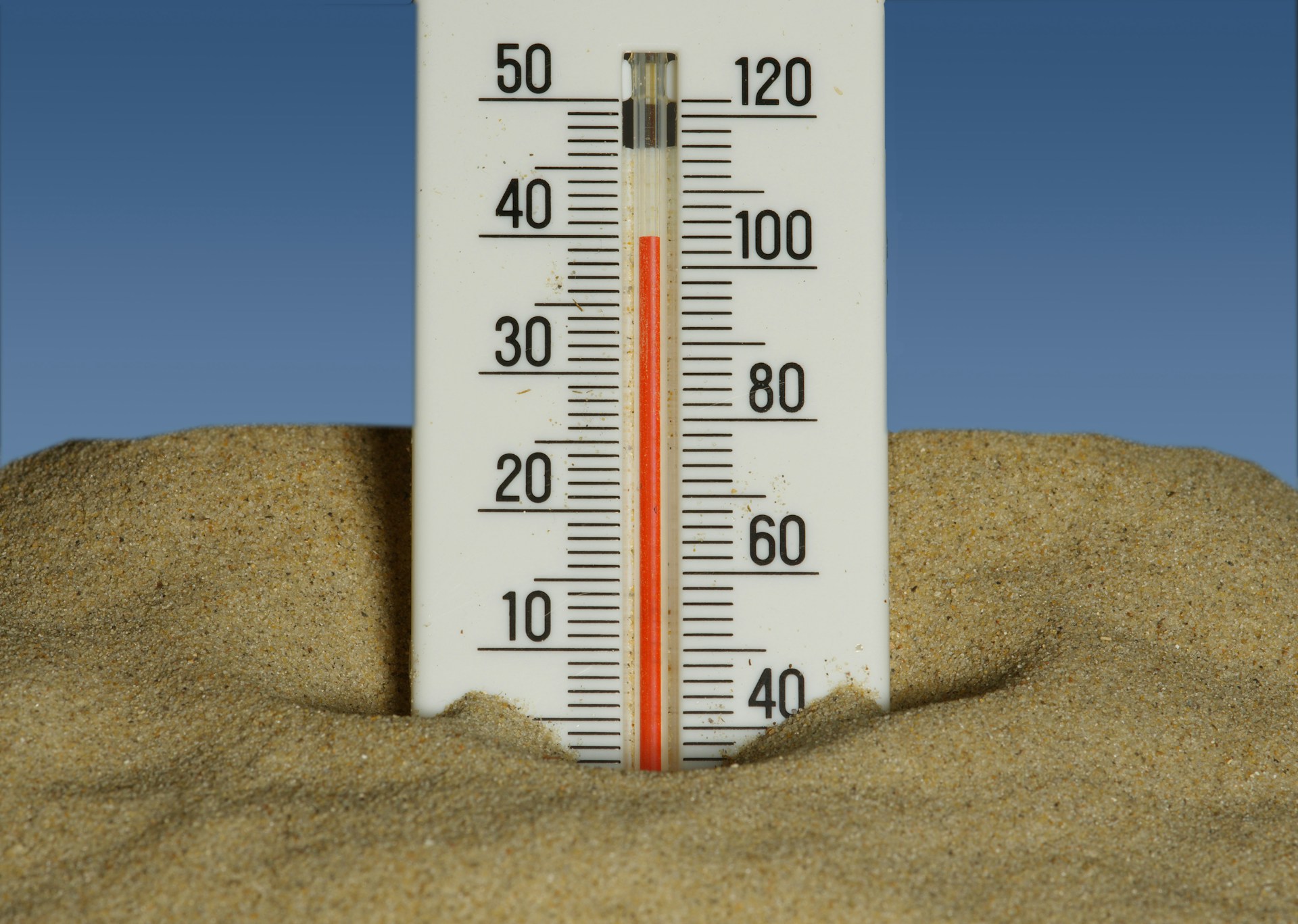
A heat wave can be brutal on a garden. One week your plants look full, green, and healthy, and the next they are drooping, curling, drying at the edges, or looking stressed no matter how much attention you give them. Extreme heat puts pressure on almost every part of a garden, from the soil and roots to the leaves, blooms, and vegetables that are trying to keep growing.
The good news is that a heat wave does not have to destroy your garden. With the right watering routine, smarter timing, extra shade, and a few simple changes, you can help your plants get through hot stretches with less stress.
The key is not just watering more. It is watering better. During extreme heat, plants need moisture that actually reaches the root zone, protection from the strongest sun, and a setup that makes daily garden care easier to stay consistent with. Even small improvements can make a big difference when temperatures climb.
Here’s how to keep your garden alive during a heat wave.
1. Water Early in the Morning

During a heat wave, timing matters. The best time to water most gardens is early in the morning before the sun is at its strongest. Morning watering gives plants a chance to absorb moisture before the hottest part of the day and helps reduce how quickly water evaporates from the soil.
Watering in the middle of the day is usually less effective because the heat can cause water to evaporate quickly. You may feel like you are giving your plants a good soak, but less moisture may actually reach the roots.
Evening watering can work in some situations, but it can also leave leaves and soil damp overnight, especially in humid areas. That can sometimes encourage fungal issues. Morning is usually the safest and most effective option.
If your plants look wilted in the afternoon, do not panic right away. Some plants temporarily droop during extreme heat even when the soil still has moisture. Check the soil before adding more water. If the soil is still damp a few inches down, the plant may simply be heat-stressed and waiting for cooler evening temperatures to recover.
2. Water Deeply, Not Just Frequently
One of the biggest mistakes gardeners make during a heat wave is giving plants quick, shallow watering throughout the day. A light sprinkle may wet the surface, but it often does not reach the deeper roots where plants need moisture most.
Deep watering is better. It encourages roots to grow downward, where the soil stays cooler and moisture lasts longer. Shallow watering keeps roots near the surface, where they dry out faster and become more vulnerable to heat.
For garden beds, aim to water slowly enough that the moisture can soak into the soil rather than running off. For containers, water until you see some drainage from the bottom, then check later to see if the pot needs another drink. Containers dry out much faster than in-ground beds during extreme heat, so they may need extra attention.
The goal is to create steady moisture around the roots. You do not want soggy soil, but you also do not want the top inch of soil to be the only damp layer.
3. Make Watering Easier to Keep Up With
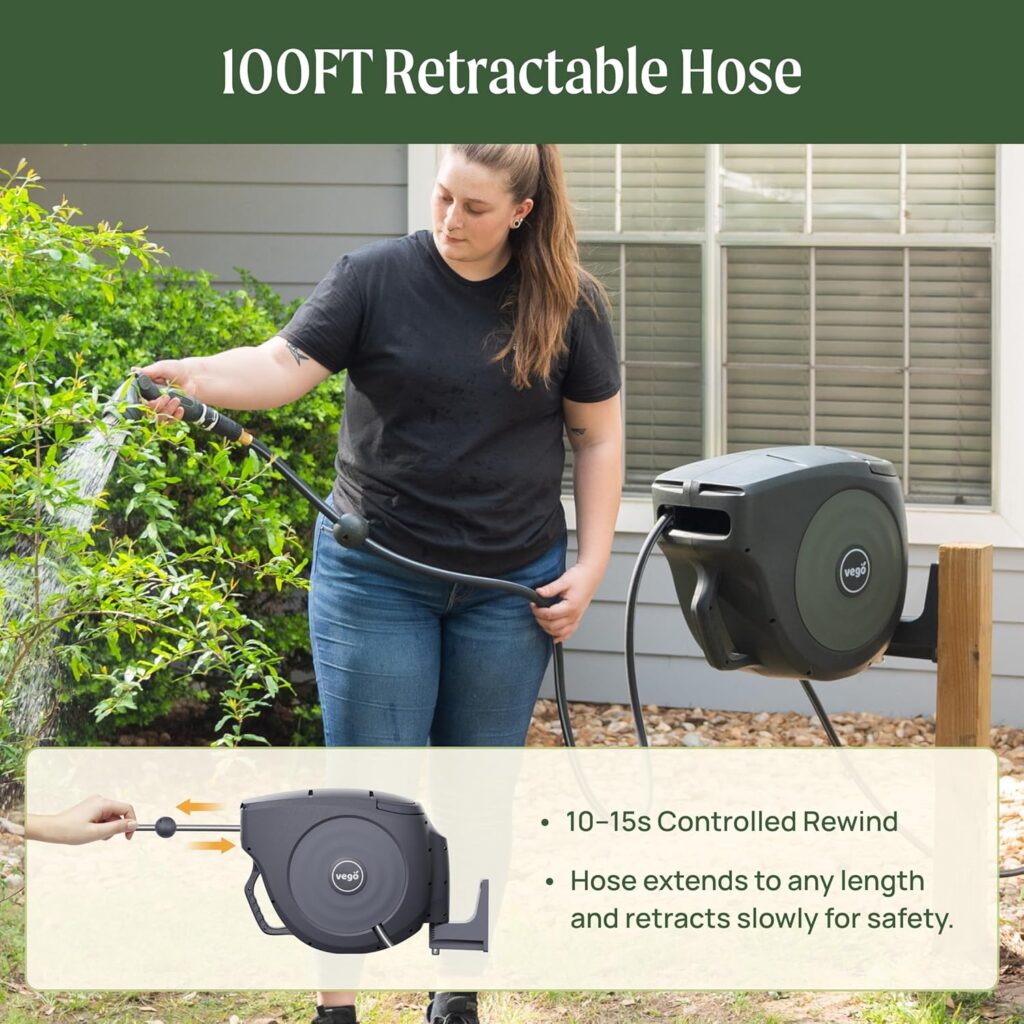
During a heat wave, consistency is everything. If watering feels like a hassle, it is easier to skip it, rush through it, or avoid checking plants as often as they need.
That is why a better watering setup can make a real difference. A tangled hose, a heavy reel, or a nozzle that does not offer enough control can make garden care feel more annoying than it should. When it is already hot outside, convenience matters.
The Vego Garden Hose Reel Retractable Hi-Flow Wall Mounted Hose Reel is a helpful upgrade for gardeners who want watering to feel easier and more efficient. Instead of dragging out a messy hose or wrestling with a traditional reel, a retractable hose reel lets you pull out the hose to the length you need, lock it in place, and automatically retract it when you are done.
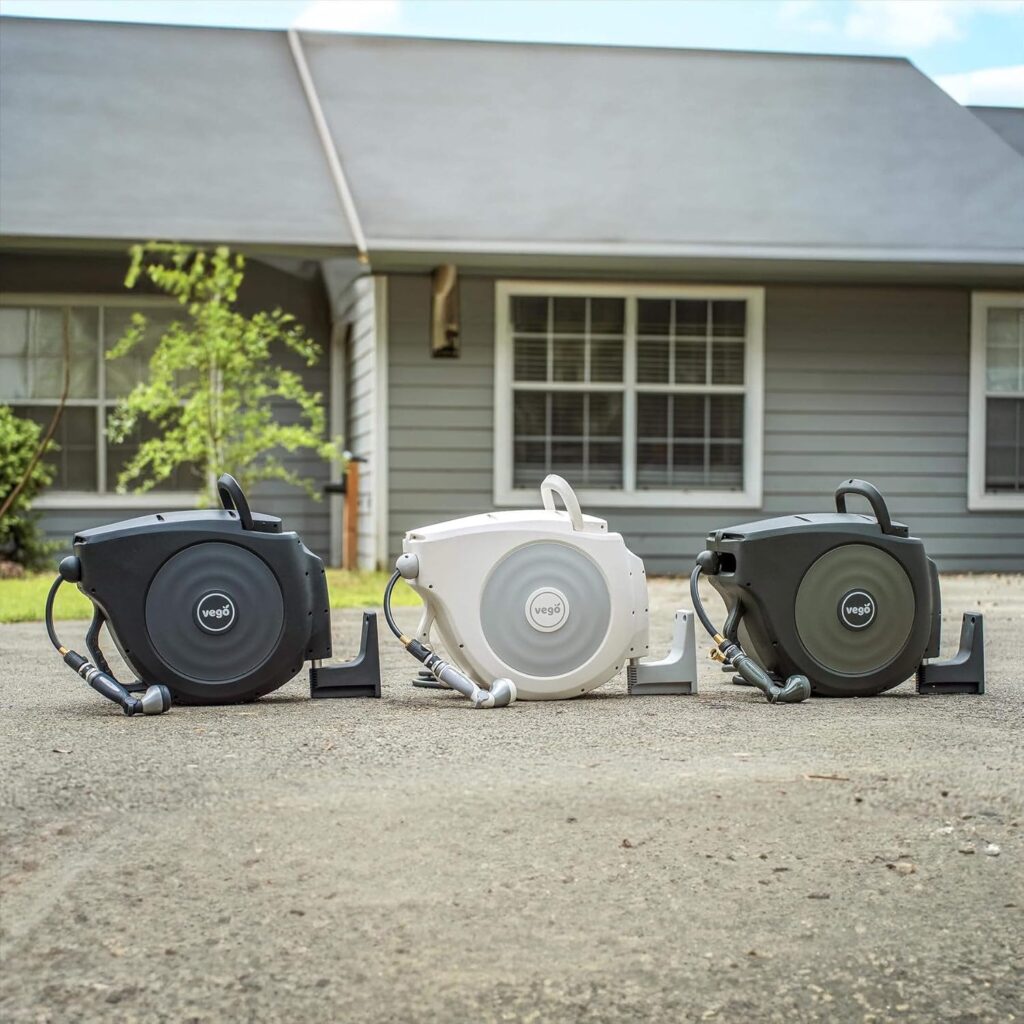
That kind of setup is especially useful during hot weather because it makes quick morning watering more manageable. The Vego Garden hose reel includes multiple installation options, a free-locking design, quick connectors, and versatile nozzle options, so it can fit naturally into different garden layouts and watering routines.
It also helps keep the hose organized and ready to use. During a heat wave, that small convenience can be the difference between watering carefully and rushing through the job. When your hose is easier to reach, easier to control, and easier to put away, staying consistent with plant care becomes much more realistic.
4. Focus on the Root Zone
When temperatures rise, it can be tempting to spray the whole plant, leaves and all. But in most cases, the roots need the water more than the foliage.
Watering at the base of the plant helps moisture go where it is needed most. It also helps reduce wasted water and keeps leaves drier, which can be better for plant health. Wet leaves in strong sun can dry quickly, but they do not do much to hydrate the plant. The roots are what matter.
For vegetables, flowers, shrubs, and herbs, aim your watering around the base of each plant. Give the soil time to absorb the moisture. If water starts running off, pause for a few minutes and then continue. This gives dry soil a chance to soften and accept more water.
A nozzle with multiple spray patterns can help with this because different plants need different pressure. Delicate seedlings may need a gentler shower, while larger established plants can handle a stronger flow around the base.
5. Add Mulch to Protect the Soil
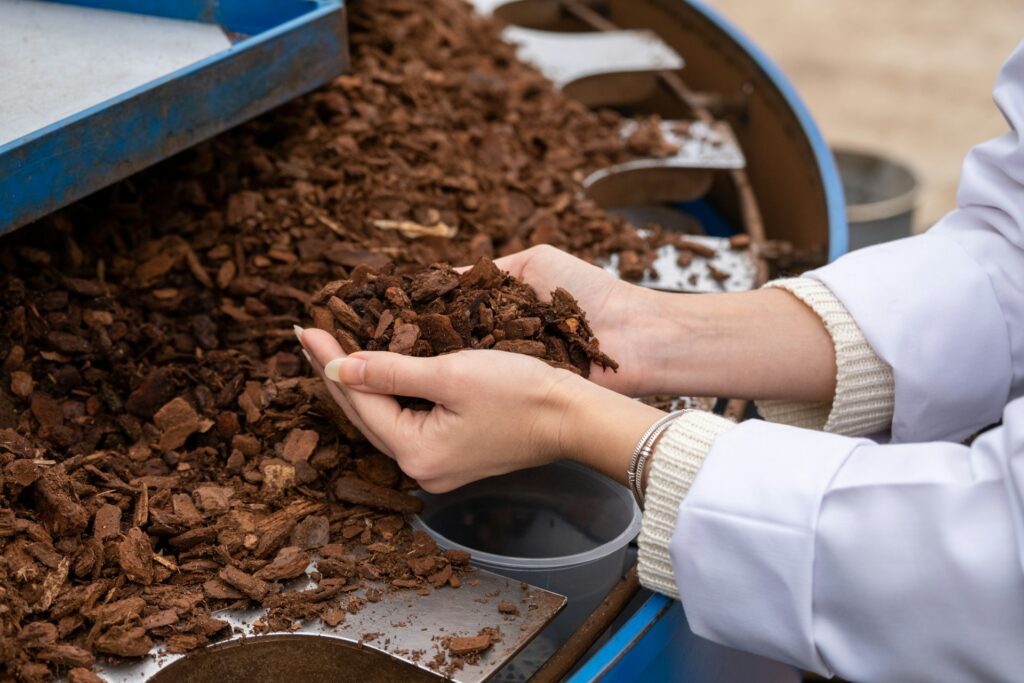
Mulch is one of the simplest ways to protect a garden during a heat wave. It helps shade the soil, reduce evaporation, and keep roots cooler. Without mulch, bare soil can bake in the sun and lose moisture quickly.
Organic mulch options like straw, shredded bark, wood chips, leaves, or compost can all help. Spread mulch around plants, but avoid piling it directly against stems, because that can trap too much moisture around the crown of the plant.
For vegetable gardens, straw or shredded leaves can work well. For flower beds and landscaped areas, bark or wood chips may look cleaner and last longer. Even a modest layer of mulch can help the soil hold moisture better during extreme heat.
Mulch also makes watering more efficient. When the soil is protected, the water you add has a better chance of staying available to the roots instead of disappearing quickly into the air.
6. Give Sensitive Plants Temporary Shade
Some plants can handle full sun under normal conditions but struggle during a heat wave. If temperatures are unusually high, even sun-loving plants may need a little temporary protection.
Shade cloth, patio umbrellas, garden fabric, old bedsheets, or even strategically placed outdoor furniture can help reduce the intensity of afternoon sun. This is especially helpful for young plants, leafy greens, herbs, newly planted flowers, and container gardens.
The goal is not to block all sunlight. It is to reduce the harshest exposure during the hottest part of the day. Morning sun is usually gentler, while afternoon sun can be more stressful during a heat wave.
If your plants are in containers, move them to a spot with morning sun and afternoon shade if possible. Even shifting pots a few feet can make a difference.
7. Avoid Fertilizing During Extreme Heat
When plants look stressed, many people want to feed them. But fertilizing during a heat wave is usually not the best move.
Fertilizer encourages growth, and growth requires energy. During extreme heat, plants are often in survival mode. They are trying to conserve moisture, protect themselves, and get through the stress. Adding fertilizer can push them to work harder when they are already struggling.
It is better to wait until the heat wave passes and the plants begin to recover. Once temperatures are more stable and the plant looks healthier, you can return to a normal feeding schedule.
In the meantime, focus on water, shade, mulch, and reducing stress. Those are the things your garden needs most during extreme heat.
8. Stop Pruning Unless It Is Necessary
Pruning can be useful during normal garden care, but a heat wave is not the best time for major trimming. Leaves help shade the plant and protect stems and soil from direct sun. Removing too much foliage during extreme heat can expose the plant to more stress.
Avoid heavy pruning until the heat wave is over. It is fine to remove dead, diseased, or badly damaged growth, but do not shape or cut back healthy plants aggressively.
If you see crispy leaves, wait before removing them unless they are clearly dead. Some damaged foliage can still provide a little shade to the rest of the plant. Once the weather cools and you can see what is truly dead, you can clean up the plant more confidently.
9. Pay Extra Attention to Containers
Container plants are often the first to suffer during a heat wave. Pots heat up quickly, and the soil inside dries out much faster than garden beds. Small containers, hanging baskets, and dark-colored pots are especially vulnerable.
Check container plants daily during extreme heat. Some may need watering once or even twice a day, depending on the plant, pot size, and exposure. If a container feels very light when you lift it, the soil is probably dry.
Move pots into partial shade when possible. Grouping containers together can also help create a slightly cooler microclimate. If a plant is really struggling, move it to a protected spot until the heat passes.
Adding mulch to containers can help too. A thin layer of straw, bark, or compost on top of the soil can reduce moisture loss.
10. Watch for Signs of Heat Stress
Plants show heat stress in different ways. Common signs include wilting, curling leaves, crispy edges, yellowing, dropped flowers, slowed growth, and fruit that fails to develop properly.
Tomatoes, peppers, cucumbers, lettuce, basil, and many flowering plants can all struggle during extreme heat. Some may temporarily stop producing flowers or fruit until temperatures improve. That does not always mean the plant is dying. It may simply be conserving energy.
The best thing you can do is monitor your garden closely. Check soil moisture, look for sun damage, and adjust your watering routine as needed. If you catch stress early, you have a better chance of helping the plant recover.
11. Harvest What You Can Before the Heat Peaks
If you know a heat wave is coming, harvest ripe vegetables, herbs, and flowers before the worst temperatures arrive. Heat can cause some crops to become bitter, split, soften, or decline quickly.
Leafy greens may bolt, herbs may wilt, and ripe tomatoes or berries may become overripe faster than usual. Picking what is ready reduces stress on the plant and prevents you from losing food you worked hard to grow.
For herbs, you can harvest in the morning and store them properly. For vegetables, pick anything ripe or nearly ripe before the hottest days.
12. Make Heat-Wave Care a Routine
The best way to protect your garden during a heat wave is to create a simple routine you can actually keep up with. Check plants early, water deeply, shade sensitive areas, and make sure your tools are easy to access.
This is where convenience really matters. A reliable hose setup, like the Vego Garden retractable hose reel, can make daily watering less of a chore. Instead of fighting with a tangled hose or dragging equipment across the yard, you can water more efficiently and move through the garden with less frustration.
Heat waves are stressful enough on their own. Your watering routine should not make them harder.
Keep Your Garden Going Through the Heat
A heat wave can be tough on any garden, but preparation and consistency can help your plants survive. Water early, water deeply, protect the soil with mulch, add temporary shade, and avoid pushing stressed plants with fertilizer or heavy pruning.
Most importantly, make garden care easy enough to keep up with. When watering is convenient, you are more likely to do it well and do it consistently. A practical upgrade like the Vego Garden Hose Reel Retractable Hi-Flow Wall Mounted Hose Reel can help make that process smoother, especially when your plants need regular attention during hot weather.
Your garden may still look a little tired during extreme heat, and that is normal. But with steady care and the right setup, it can recover, keep growing, and stay alive until cooler days return.