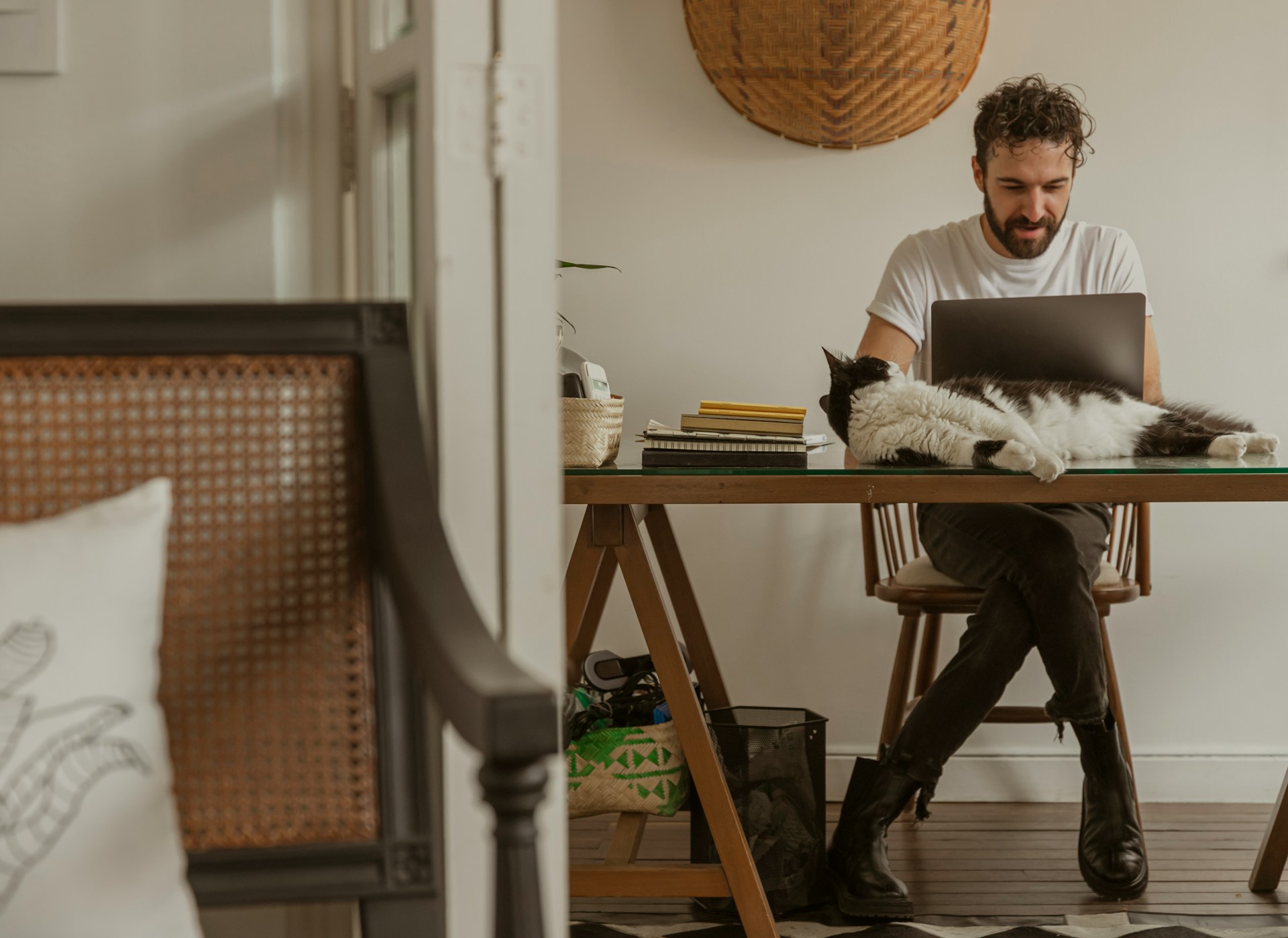
Working from home can make everyday life more convenient, but it can also make it surprisingly easy to spend most of the day sitting indoors. Without a commute, walk to lunch, or movement between meetings, hours can pass without much activity or time outside.
A healthier work-from-home routine does not require turning your house into a gym. A few simple habits and wellness essentials can make your workspace more comfortable while encouraging better movement, nutrition, and daily routines.
Here are some practical places to start.
1. Get Outside During the Day
When your office is only a few steps from your bedroom, it is possible to go through an entire workday without spending meaningful time outdoors.
Try building at least one outdoor break into your schedule. Take a short walk before work, eat lunch outside, or walk around the neighborhood after finishing a meeting.
Besides giving you an opportunity to move, stepping outside can provide a mental break from screens and expose you to natural daylight.
Even a brief change of scenery can help separate working hours from the rest of your day.
2. Pay Attention to Vitamin D
Spending most of the day indoors is also a good reminder to pay attention to vitamin D.
The body can make vitamin D when skin is exposed to sunlight, while vitamin D can also come from certain foods and supplements. Very few foods naturally contain substantial amounts, although fatty fish and fortified foods are common dietary sources.
If you are concerned about your vitamin D intake, a blood test and conversation with your healthcare provider can help determine whether supplementation makes sense and what dose is appropriate.

For people who have specifically been advised to use a high-potency vitamin D supplement, Healthy Origins Vitamin D3 10,000 IU (250 mcg), 360 Softgels is one option to consider. The large bottle provides a long supply, while the softgel format makes it simple to incorporate into a supplement routine.
However, 10,000 IU is a high dose and should not be treated as an ordinary daily wellness supplement for everyone. The NIH lists the tolerable upper intake level for adults at 4,000 IU (100 mcg) per day from all sources, although healthcare professionals may recommend higher amounts for a period of time when treating vitamin D deficiency.
That makes a product like this more appropriate for someone whose clinician has recommended a higher-dose regimen rather than someone simply guessing at how much vitamin D they need.
3. Create a Water Routine
When you work from home, it is surprisingly easy to realize at 3 p.m. that you have barely had anything to drink.
Keep a reusable water bottle or large glass at your desk and make drinking water part of your normal work routine.
You might refill it before your first meeting, again around lunch, and once more during the afternoon.
The goal is not to obsess over a particular number. It is simply to make water accessible enough that staying hydrated becomes automatic.
4. Make Your Workspace More Comfortable
A laptop on the couch may work occasionally, but using that position every day can become uncomfortable.
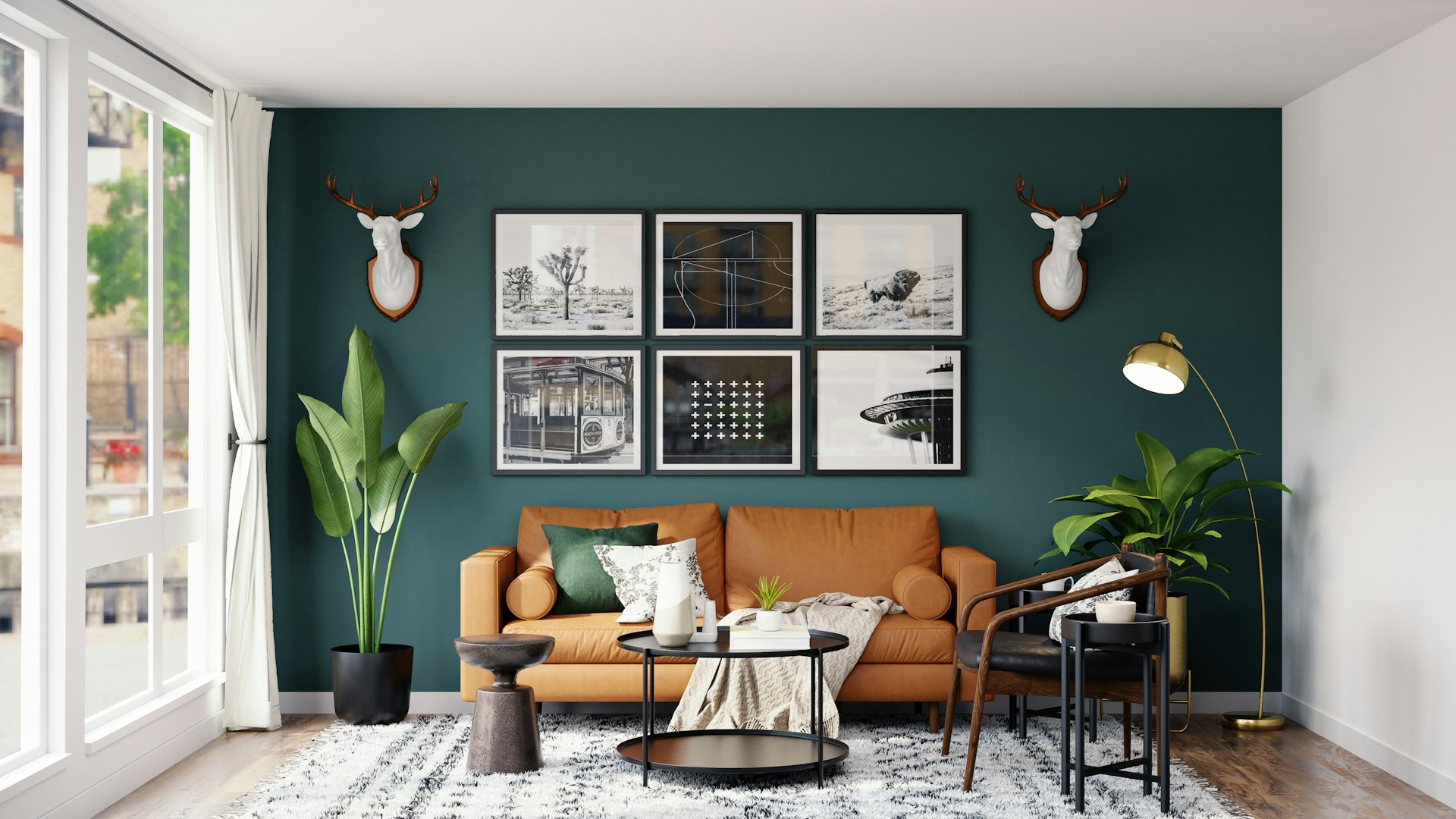
If possible, create a dedicated workspace with a supportive chair, desk, and monitor positioned at a comfortable height.
A laptop stand paired with an external keyboard and mouse can also help create a more traditional desktop-style setup without requiring a completely new computer.
The important thing is to avoid staying in one awkward position for hours at a time.
5. Build Movement Into the Workday
You do not necessarily need a full workout during business hours.
Small amounts of movement throughout the day can be easier to maintain.
Stand while taking a phone call. Walk around the house between meetings. Stretch for a few minutes after finishing a long task. Take a quick walk during lunch.
You can also set reminders to stand up periodically if you tend to become absorbed in work.
These small breaks help prevent the workday from turning into eight uninterrupted hours in the same chair.
6. Keep Easy, Nutritious Food Available
Working next to your kitchen can either make healthy eating easier or turn the entire day into constant snacking.
Keeping convenient foods available helps.
Fruit, yogurt, nuts, eggs, vegetables, whole grains, and easy sources of protein can make it easier to put together a quick lunch or snack without relying entirely on takeout.
Preparing a few basics ahead of time can also prevent the familiar situation of realizing you are hungry in the middle of a meeting and grabbing whatever is fastest.
7. Protect Your Eyes From Constant Screen Time
Remote work often means moving directly from a computer to a phone and then to a television after work.
Give your eyes regular opportunities to look away from close screens. During breaks, look across the room or out a window rather than immediately picking up your phone.
You can also adjust your monitor brightness and increase text size if you find yourself squinting or leaning toward the screen.
The goal is simply to make long hours of computer work more comfortable.
8. Create a Real End to the Workday
One downside of working from home is that work is always physically nearby.
Create a small routine that signals the day is finished.
Close the laptop, clear your desk, change clothes, take a walk, or move into another room.
That separation can make it easier to transition from work into dinner, exercise, hobbies, family time, or relaxation.
Make Your Home Office Support Your Health
A healthier work-from-home routine usually comes down to improving the little things you repeat every day.
Spend some time outside. Move regularly. Keep water nearby. Make your desk comfortable. Eat well, take breaks, and pay attention to nutrients such as vitamin D rather than assuming an indoor lifestyle automatically provides everything you need.
If testing shows that your vitamin D is low, supplementation may be one part of the solution. A high-potency option such as Healthy Origins Vitamin D3 10,000 IU can be useful when that strength has specifically been recommended, but because it exceeds the usual adult upper intake level, the dose should be discussed with a healthcare professional rather than used routinely without guidance. ODS
The best work-from-home wellness setup is not complicated. It simply makes healthier choices easier to repeat every day.