Dressing well does not always mean dressing formally. You do not need a suit, dress shoes, or a closet full of expensive pieces to look like you put thought into your outfit.
For a lot of people, the best everyday style is something more relaxed: rugged, casual, comfortable, and practical, but still intentional.
That is where rugged casual style works so well. It borrows from outdoor clothing, workwear, heritage menswear, travel staples, and weekend basics. The result is a wardrobe that feels easy to wear but still looks like it has a clear point of view.
The key is balance. You want clothes that feel durable and relaxed without looking sloppy. You want comfort without looking like you gave up. You want pieces that can handle real life while still making you look put together.
Here is how to dress rugged, casual, and polished without overcomplicating your wardrobe.
Start With a Clear Aesthetic
The first step is understanding the aesthetic you are going for.
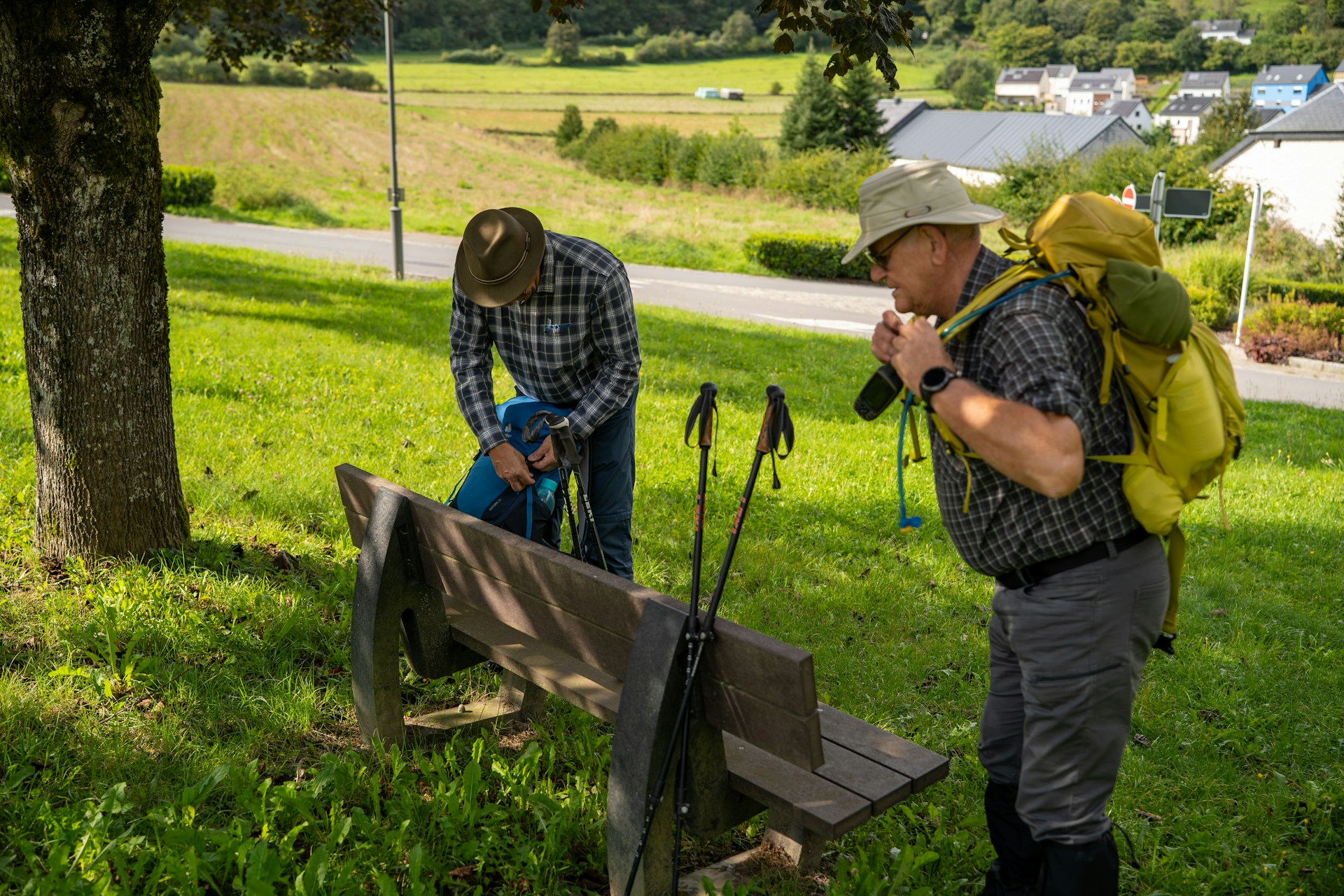
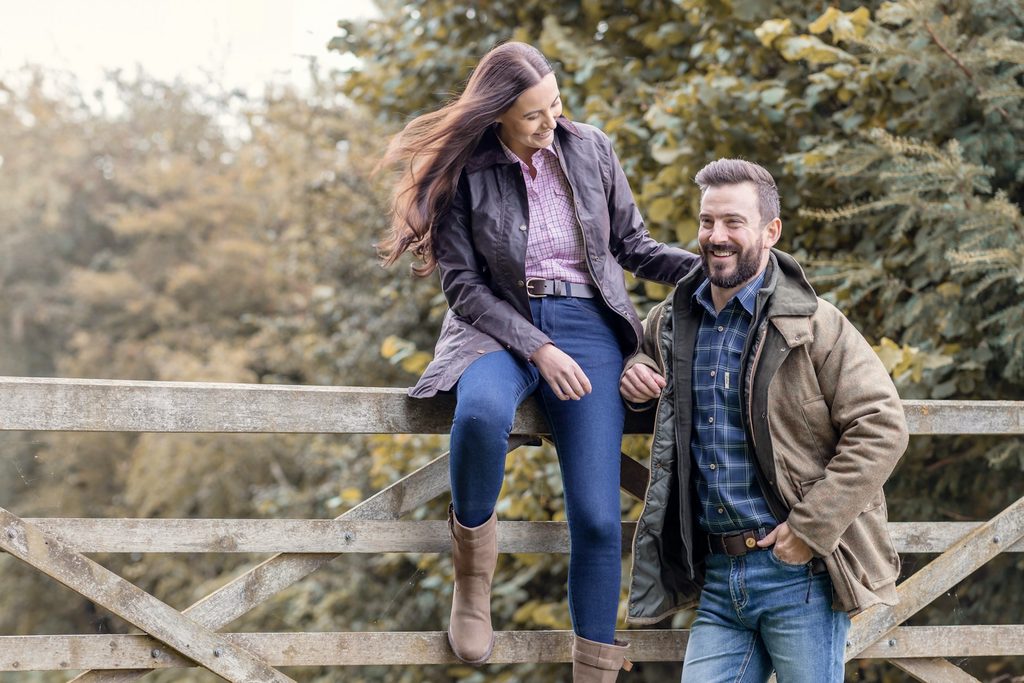
Rugged casual style is not about looking messy, oversized, or overly outdoorsy. It is about clothes that feel grounded, practical, and masculine in a classic way. Think flannels, henleys, chore jackets, field jackets, denim, utility pants, boots, fleece, canvas, cotton, wool, and outdoor-inspired layers.
The style works because it feels natural. It does not look like you are trying too hard. It looks like you have clothes that fit your lifestyle and make sense for the day.
A rugged casual wardrobe usually leans into:
comfortable layers, earthy colors, sturdy fabrics, useful details, broken-in textures, and clothes that feel ready for real life.
That might mean a flannel over a T-shirt, a quilted vest with jeans, a canvas jacket with chinos, or a fleece pullover with casual trousers. The clothes should feel relaxed, but the outfit should still look considered.
Fit Still Matters
Rugged casual does not mean baggy and shapeless.
Fit is what separates a good casual outfit from one that looks careless. Your clothes can be relaxed, but they should still follow your body in a flattering way.
Shirts should have enough room to move without looking oversized. Jackets should layer comfortably without swallowing your frame. Pants should sit cleanly at the waist and have a natural taper or straight leg without bunching heavily at the bottom.
You do not need everything slim. In fact, rugged casual style often looks better with a little room. Relaxed straight jeans, slightly fuller chinos, and easy layering pieces can look more natural than clothes that are too tight.
The goal is comfortable structure. You want to be able to move, sit, walk, and layer easily, while still looking like your clothes were chosen on purpose.
Use Earthy Colors
Color is one of the easiest ways to make a rugged casual outfit feel cohesive.
This aesthetic works best with natural, grounded colors. Instead of relying on bright colors or loud patterns, build around shades that feel outdoorsy and classic.
Good colors include:
olive, navy, charcoal, cream, tan, khaki, brown, rust, forest green, washed black, denim blue, oatmeal, and burgundy.
These colors mix easily and create outfits that feel mature without being boring. An olive jacket works with jeans, chinos, or tan pants. A cream henley works under almost anything. Dark denim pairs well with flannels, vests, jackets, and boots.
Earth tones also help casual clothing look more elevated. A basic T-shirt in white might feel simple, but the same shirt in oatmeal, charcoal, or washed navy can feel more intentional.
Build Around Layers
Layering is a big part of rugged casual style.
A single T-shirt and jeans can be fine, but adding one layer often makes the outfit feel much more complete. That could be a flannel, overshirt, fleece, vest, denim jacket, canvas jacket, field jacket, or lightweight puffer.
Layers create texture and depth. They also make the outfit feel practical, which is part of the appeal.
A few easy combinations include:
a henley under a flannel, a T-shirt under a canvas overshirt, a button-down under a quilted vest, a hoodie under a field jacket, or a sweater under a waxed-style jacket.
The best part is that these outfits do not feel too dressed up. They still feel casual and wearable, but they look more finished than just throwing on a random shirt.
Choose Fabrics With Texture
Texture makes rugged casual clothing more interesting.
Instead of smooth, flat, dressy fabrics, this style works well with materials that have some weight or character. Think brushed cotton, denim, canvas, corduroy, fleece, wool blends, twill, thermal knits, and flannel.
These fabrics make simple outfits look richer. A plain button-up in thin fabric might feel forgettable, but a brushed flannel or heavier overshirt gives the outfit more personality.
Texture also helps the outfit look seasonally appropriate. Fleece, corduroy, and flannel feel great in cooler weather. Cotton, canvas, linen blends, and lightweight utility fabrics can work better in warmer months.
A rugged casual wardrobe should feel like it has substance. The clothes do not need to be stiff or heavy, but they should not feel flimsy either.
Buy Multiple Pieces From a Brand That Understands the Aesthetic
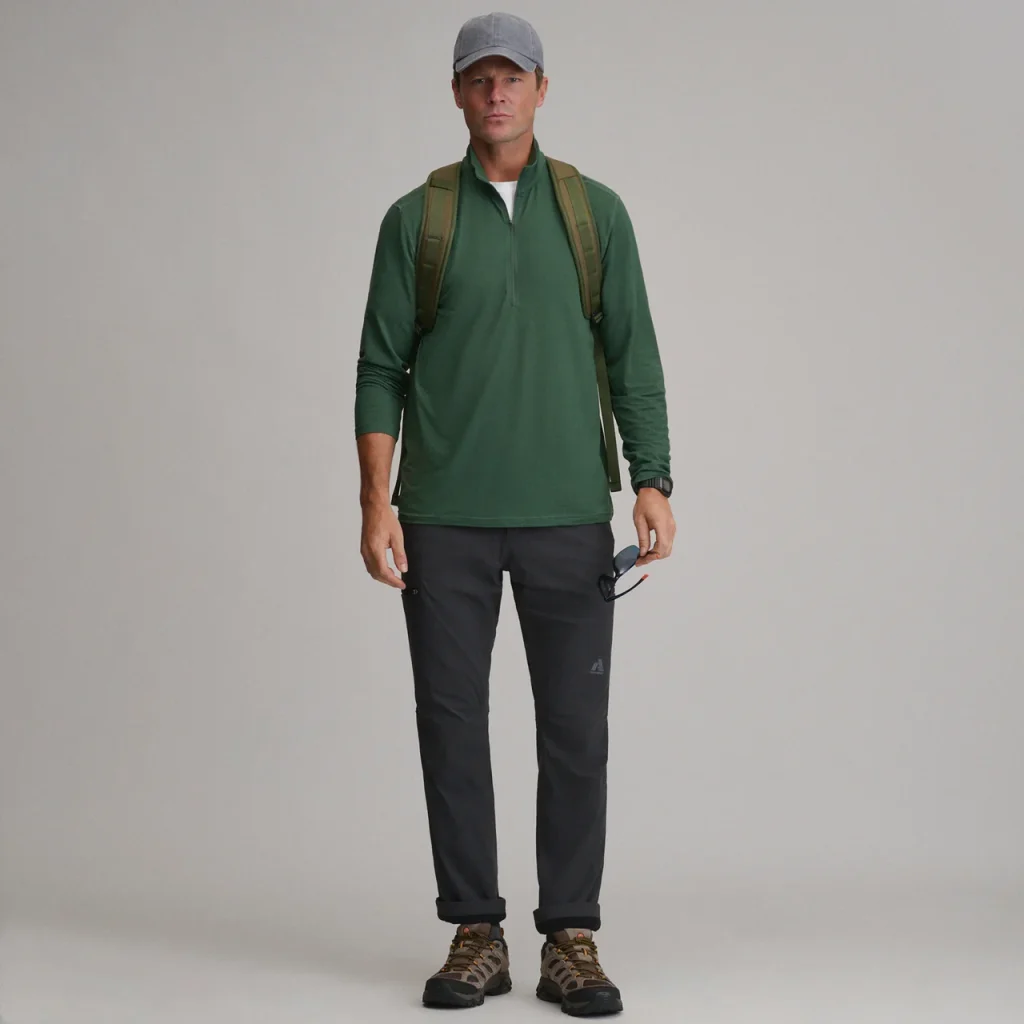
One of the easiest ways to build a cohesive wardrobe is to buy multiple pieces from a company that already leans into the style you want.
This is especially helpful if you are still figuring out your aesthetic. Instead of buying one random shirt from one brand, one jacket from another, and pants that do not really match either, you can look for brands that already have a clear point of view.
For rugged casual style, a brand like Eddie Bauer makes a lot of sense. Eddie Bauer naturally fits the outdoor-inspired, practical, casual aesthetic without feeling too costume-like. The brand often works well for people who want clothes that feel comfortable, functional, and easy to wear in everyday life.
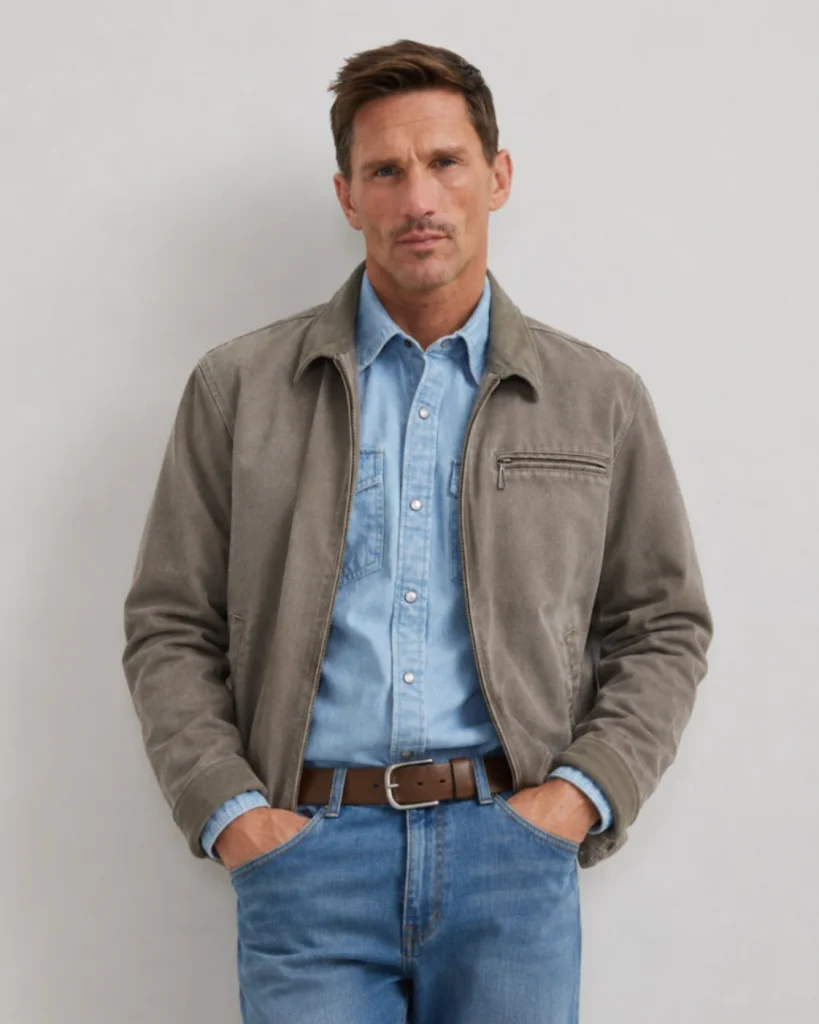
This is the kind of place where you can look for pieces like flannels, fleece, casual jackets, outerwear, vests, button-up shirts, chinos, travel pants, sweaters, and outdoor-ready basics. Those pieces tend to work together because they are designed around a similar lifestyle and visual language.
Buying several pieces from the same kind of brand can make getting dressed easier. The colors, materials, and fits are more likely to coordinate, which helps your wardrobe feel more intentional. A fleece can work with a flannel. A vest can layer over a henley. A casual jacket can pair with jeans or chinos.
That does not mean your entire closet has to come from one company. But when you find a brand that understands the aesthetic you like, it can become a strong foundation for your wardrobe.
Upgrade the Basics
A rugged casual outfit usually starts with basics, but the basics should still be good.
Instead of thin T-shirts that lose shape quickly, look for heavier cotton tees, waffle knits, henleys, and simple long-sleeve shirts. Instead of overly faded or distressed jeans, choose denim that looks broken-in but still clean. Instead of gym hoodies, try fleece pullovers, quarter-zips, or structured sweatshirts.
The goal is not to eliminate comfort. The goal is to make comfort look better.
A plain henley with dark jeans and boots can look much more put together than a graphic tee and worn-out sneakers, even though both outfits are still casual.
Small upgrades make a big difference.
Pick Shoes That Ground the Outfit
Shoes can completely change the feel of a rugged casual outfit.
Sneakers can work, but boots, leather shoes, and rugged casual footwear usually fit the aesthetic better. Think chukka boots, moc-toe boots, hiking-inspired shoes, leather sneakers, suede boots, or casual loafers depending on the outfit.
The shoes should feel sturdy without looking too bulky. They should match the mood of the clothes.
For example, a flannel, vest, jeans, and boots feels natural. A field jacket, sweater, chinos, and suede shoes feels slightly more polished. A fleece pullover, travel pants, and clean leather sneakers feels casual but still intentional.
Avoid shoes that look too athletic unless the outfit is clearly sporty. Rugged casual works best when the footwear feels connected to the rest of the outfit.
Keep Accessories Simple
Accessories should support the outfit, not overpower it.
A leather belt, canvas belt, simple watch, beanie, baseball cap, wool socks, or durable bag can all work well with rugged casual style.
Stick with materials that fit the aesthetic: leather, canvas, brushed metal, wool, cotton, and suede. Avoid anything too shiny, flashy, or overly delicate.
A simple field watch, a brown leather belt, and a canvas jacket can do a lot without looking like you are trying too hard.
Final Thoughts
Rugged casual style works because it feels useful, comfortable, and natural. It is not about dressing formally. It is about dressing with intention.
The best outfits in this style usually have a few things in common: good fit, earthy colors, practical layers, textured fabrics, and shoes that match the overall mood.
Brands like Eddie Bauer are worth looking at because they already lean into that outdoor-inspired, casual, practical aesthetic. Building several outfits around pieces from a brand with that kind of identity can make your wardrobe feel more cohesive and easier to wear.
You do not need a complicated closet to dress better. Start with clothes that fit your real life, choose pieces that work together, and focus on looking comfortable without looking careless.
That is the sweet spot: rugged, casual, and put together.