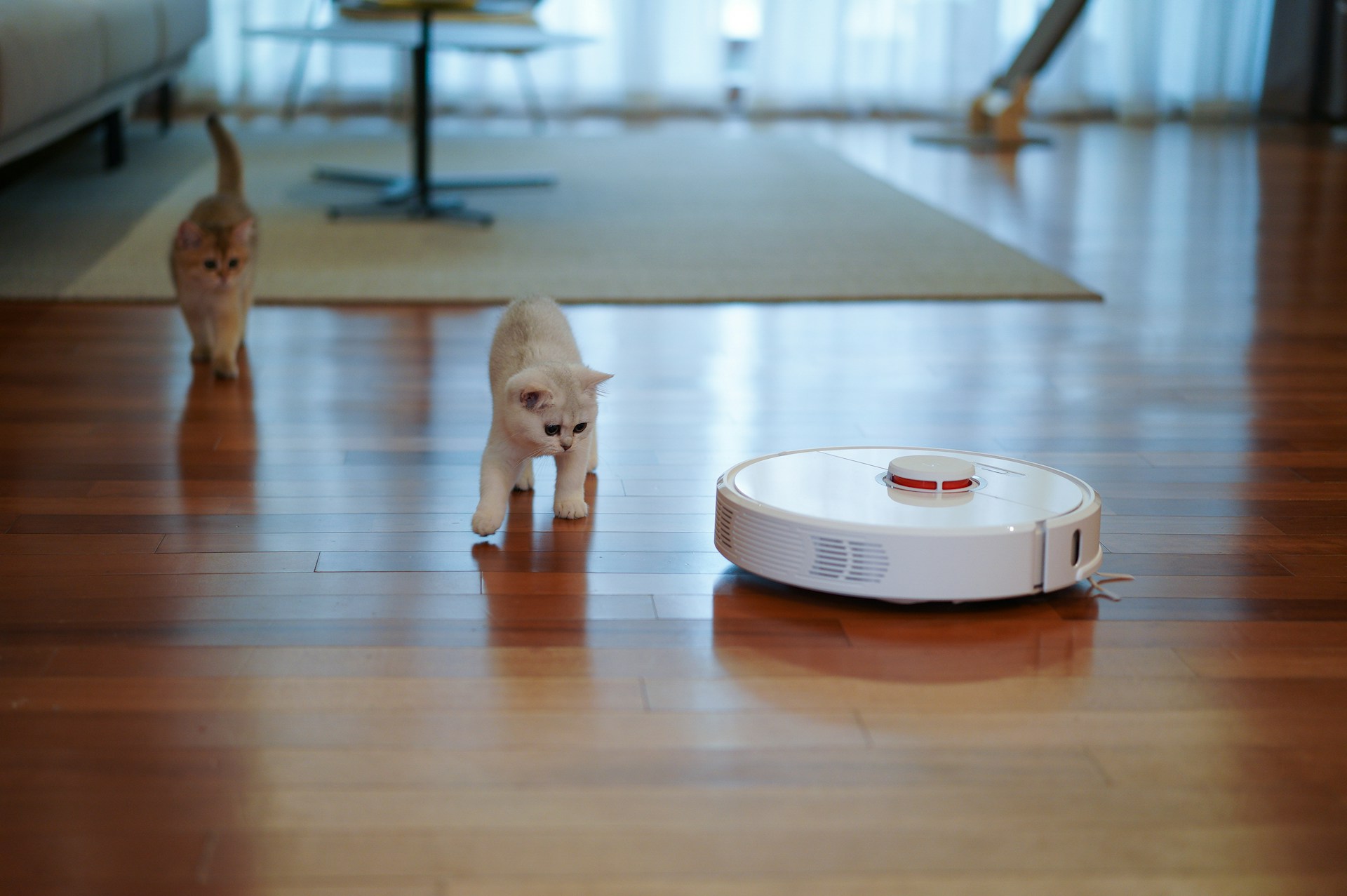
Robot vacuums have gone from novelty gadgets to genuinely helpful household tools. For many people, they are no longer a replacement for deep cleaning but a way to maintain cleaner floors with far less effort. The challenge is that not all robot vacuums are built the same, and choosing one without understanding the differences can lead to disappointment.
If you have ever wondered why some robot vacuums work beautifully in one home and struggle in another, the answer usually comes down to matching features to real life needs. Before buying, it helps to understand what actually matters, what sounds good on paper, and what features are essential for your specific space.
This guide breaks down the most important things to look for when choosing a robot vacuum so you can make an informed decision.
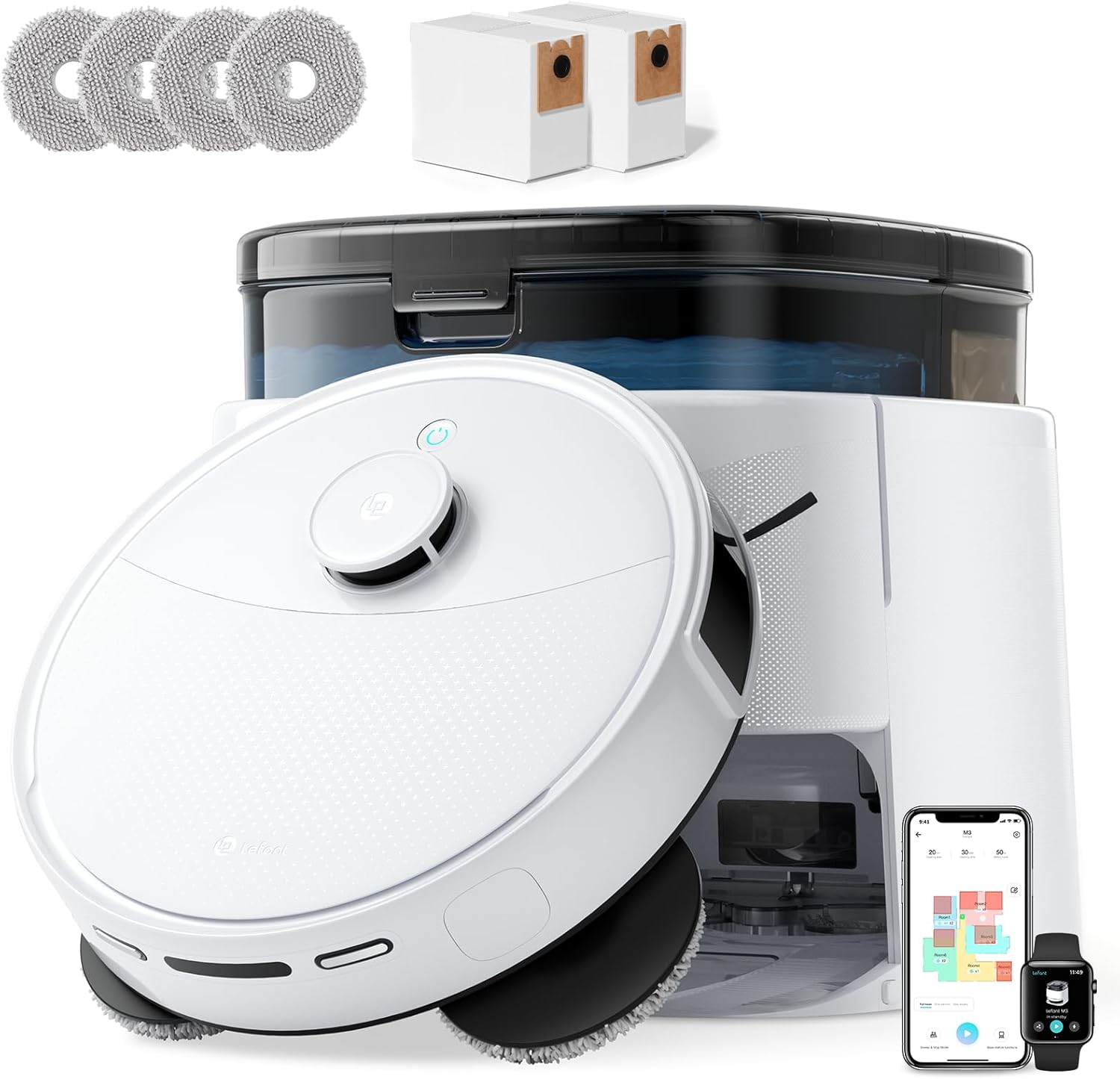
Start With Your Home’s Layout and Flooring
The first thing to consider is your home itself. Robot vacuums interact with floors, furniture, and obstacles in very specific ways.
If your home is mostly hardwood, tile, or laminate, you may not need as much suction power as someone with thick carpeting. For mixed flooring, look for models designed to transition smoothly between surfaces. These often include automatic surface detection that adjusts suction when moving from hard floors to carpet.
Homes with multiple rooms or open layouts benefit from robot vacuums with advanced navigation and mapping. Smaller apartments or studio spaces may work just fine with simpler models that clean in random or semi structured patterns.
Also consider thresholds and rugs. Some robot vacuums struggle with thick rugs or raised transitions between rooms. Checking maximum climb height can prevent frustration later.
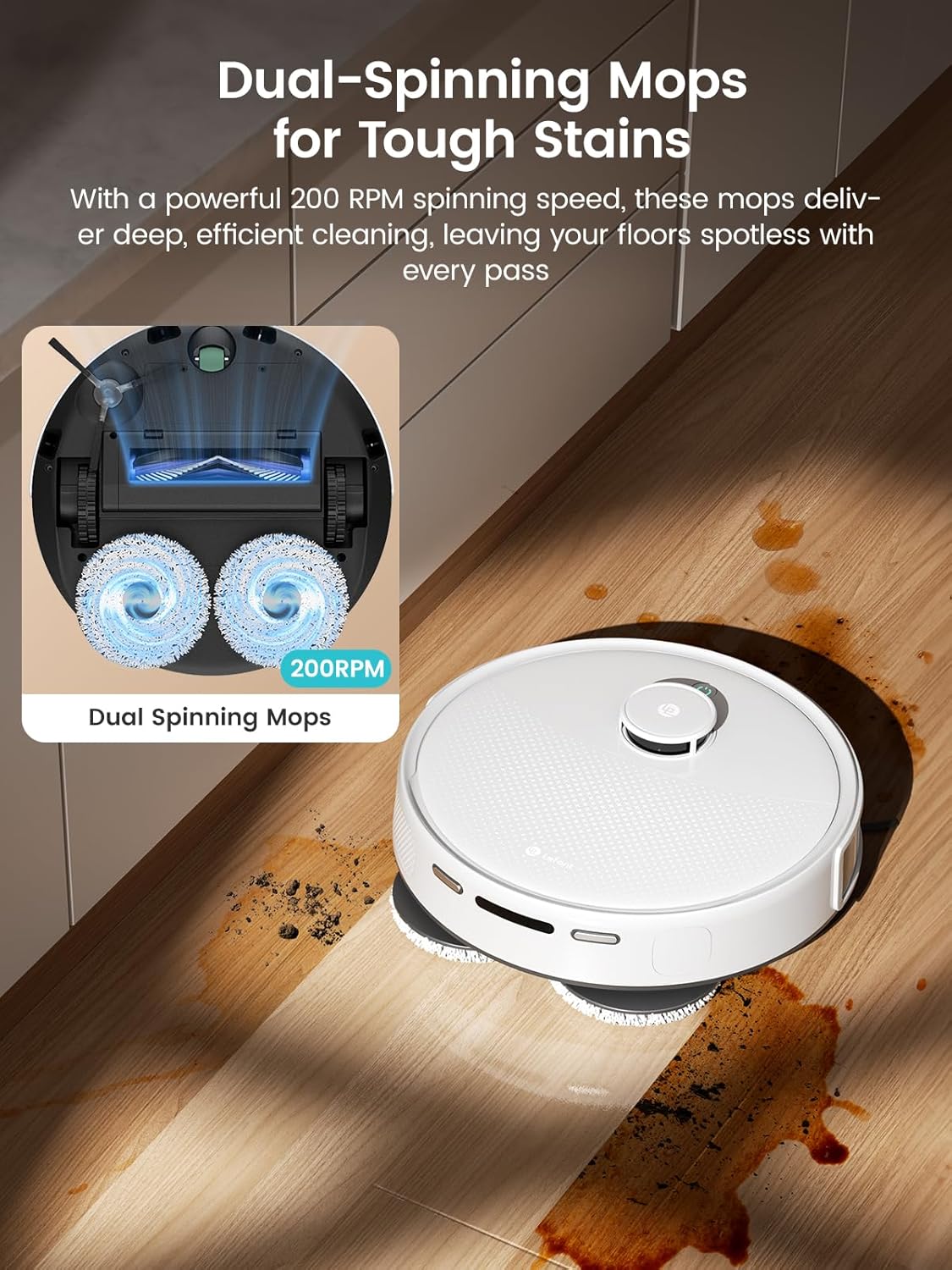
Suction Power Matters More Than You Think
Suction power is often listed prominently, but it is not just about having the highest number. The right amount of suction depends on what you are cleaning.
For homes with pets, carpets, or high foot traffic, stronger suction helps lift embedded debris, hair, and dust. If your floors are mostly hard surfaces with light debris, moderate suction may be sufficient and can even help reduce noise and battery drain.
Some robot vacuums offer adjustable suction modes. This allows you to use lower power for daily maintenance and higher power for deeper cleaning sessions. Flexibility here is often more useful than raw power alone.
Navigation and Mapping Are Game Changers
One of the biggest differences between entry level and more advanced robot vacuums is navigation.
Basic models rely on random movement, bumping into objects and gradually covering the floor. While this can work in small spaces, it is less efficient and often misses spots or repeats the same areas.
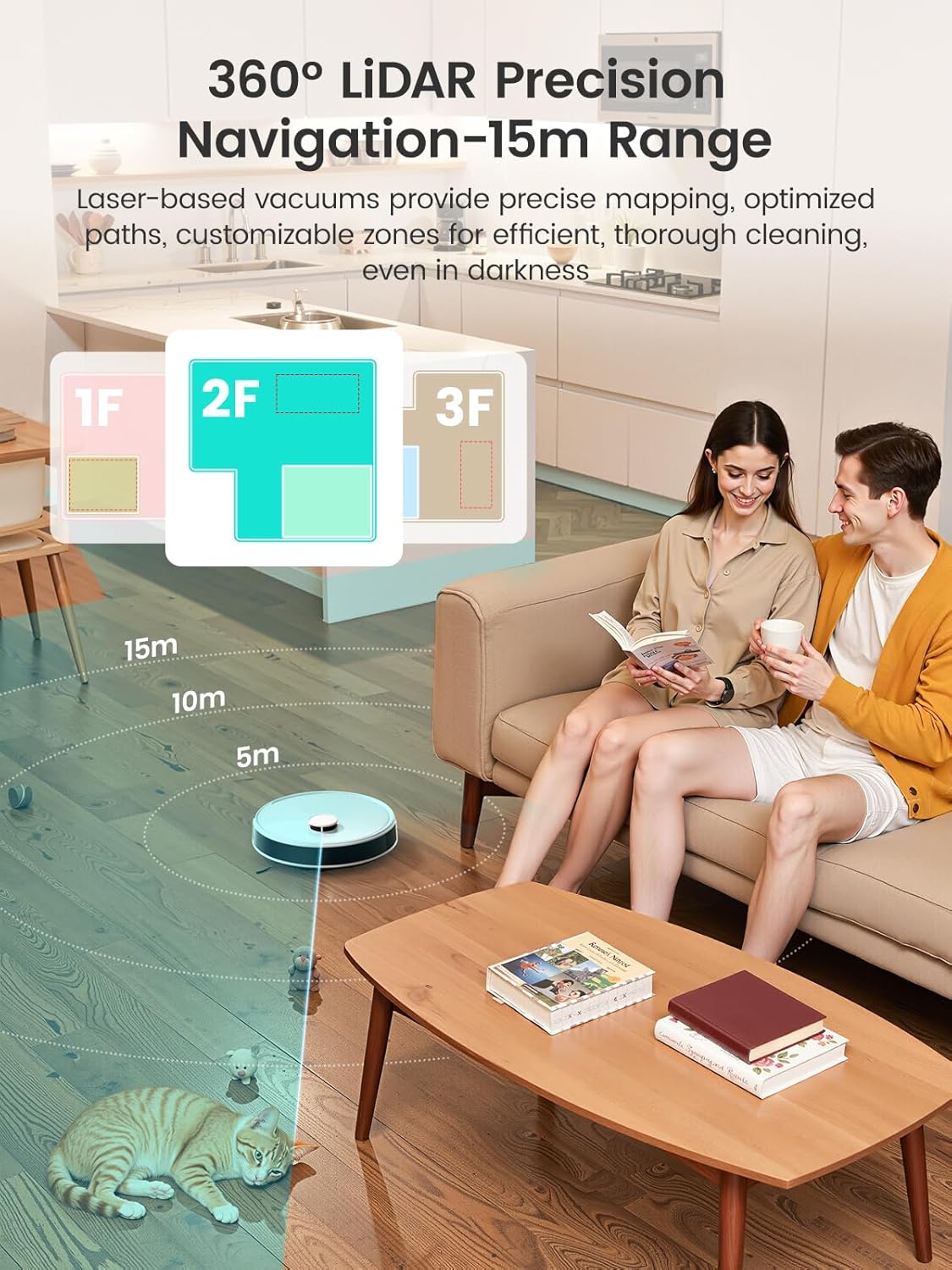
Advanced models use sensors, cameras, or laser based systems to map your home. These vacuums clean in organized paths, remember room layouts, and avoid obstacles more effectively. Many also allow room by room cleaning or no go zones through an app.

Battery Life and Charging Behavior
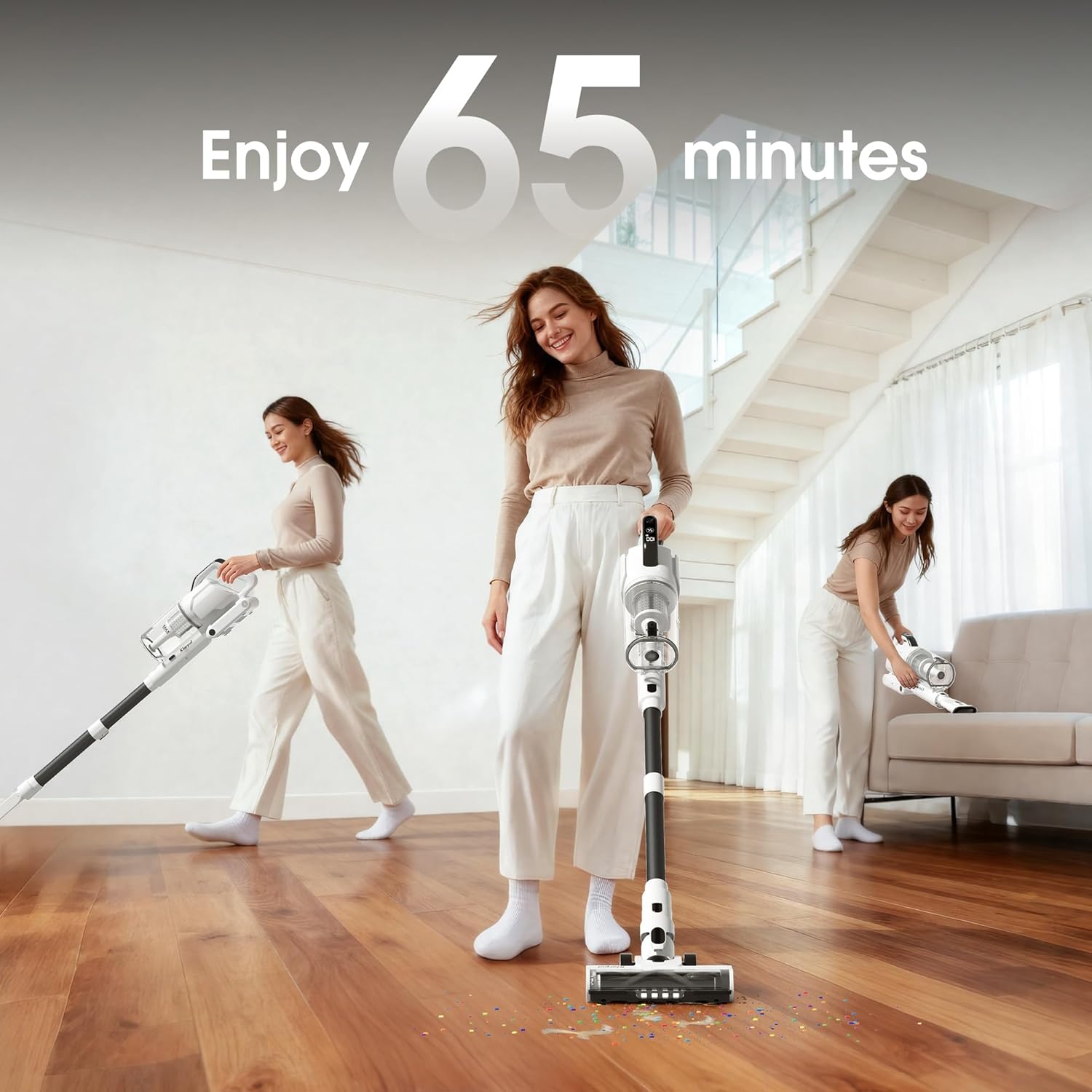
Battery life determines how much area a robot vacuum can cover in one session. Smaller homes may only need 60 to 90 minutes of runtime, while larger spaces benefit from longer battery life.
Some robot vacuums include recharge and resume functionality. This means the vacuum returns to its charging dock when the battery runs low, then resumes cleaning where it left off.
Dustbin Size and Self Emptying Options
Dustbin capacity affects how often you need to empty the vacuum. Homes with pets or heavy debris fill bins quickly, which can interrupt cleaning routines.
Many newer robot vacuums offer self emptying docks. While not essential, these systems significantly reduce maintenance and are ideal for busy households.

Pet Hair Performance Is a Category of Its Own
If you have pets, robot vacuum selection becomes more specific. Look for models designed to handle hair without tangling.
Strong suction alone is not enough. The ability to prevent hair from wrapping around brushes and clogging airflow determines long term performance.
Smart Features and App Control
Smart features vary widely, and not all are necessary. That said, some app based controls genuinely improve the experience.
- Scheduled cleaning times
- Room specific cleaning
- Virtual boundaries or no go zones
- Cleaning history and maps
Noise Level and Daily Use Comfort
Robot vacuums run while you are home more often than traditional vacuums. Noise levels matter more than many buyers expect.
Maintenance Requirements and Long Term Care
Before buying, consider how easy it is to access and maintain brushes, filters, and sensors. Affordable replacement parts make long term ownership much easier.

Final Thoughts
Choosing a robot vacuum is not about finding the most advanced or expensive model. It is about understanding your home, your habits, and what features genuinely improve daily life.
When chosen thoughtfully, a robot vacuum is one of the easiest ways to keep your home consistently cleaner with minimal effort.
“`