Red light therapy has quickly grown into one of the most respected and scientifically supported wellness treatments available, admired for its ability to improve skin health, accelerate muscle recovery, and reduce inflammation. Unlike many wellness approaches that rely heavily on marketing rather than research, red light therapy is grounded in cellular biology and decades of medical studies that explore how the body responds to specific wavelengths of light. This therapy is not magic. It is science in its most accessible form, helping the body repair, regenerate, and perform the way it was designed to.
To understand why red light therapy delivers such powerful effects, it is important to look at what happens at the cellular level when the body is exposed to controlled red and near infrared light. Then, we will look more closely at why not every red light therapy device is capable of producing real results and why choosing the right wavelength and power output makes a dramatic difference. That includes a closer look at the BestQool Red Light Therapy Dual Chip Clinical Grade LED Panel, which is engineered to deliver professional outcomes at home without the high price of ongoing spa treatments.

How Red Light Therapy Works Inside the Body
Red light therapy, also known as photobiomodulation, exposes the body to precise wavelengths of light that stimulate energy production inside cells. This is completely different from ultraviolet light, which can damage the skin. Red and near infrared light do not burn or harm tissue. Instead, they help the body perform better at a cellular level. When wavelengths in the range of about 660 nanometers for red light and about 850 nanometers for near infrared light enter the skin, they are absorbed by the mitochondria, the energy powerhouses within every cell.
Inside the mitochondria is an enzyme called cytochrome c oxidase, which is responsible for producing adenosine triphosphate, or ATP. ATP is the molecule that powers nearly every function inside the body. When red and near infrared light increase ATP production, the results are wide ranging. The body becomes more efficient at repairing tissue. Inflammation levels decrease, skin becomes healthier, and muscle recovery happens faster. Energy levels rise, circulation improves, and the body becomes more resilient. Cells need light in order to function optimally, just like humans need food to survive. When the right kind of light is delivered directly to cells, the effects can be transformative.

Why Wavelength Precision Matters
Many people assume that shining any red light at the skin will produce results, but this is not the case. Only very specific wavelengths have been scientifically proven to activate cellular response. Red light at approximately 660 nanometers affects the outer layers of the skin. It increases collagen and elastin production, improves complexion, smooths fine lines and wrinkles, and enhances surface level healing. Near infrared light at approximately 850 nanometers penetrates deeper beneath the skin and reaches muscles, joints, nerves, and connective tissue. This is the wavelength responsible for pain relief, inflammation reduction, increased mobility, and faster athletic recovery.
This is the reason a basic red light bulb from a hardware store will not deliver measurable results. The red light therapy panel must deliver the correct wavelengths at the correct strength and intensity. It must also deliver enough power to penetrate deeply into the tissue where cellular energy is produced. Without the right combination of power and wavelength, the therapy is ineffective.

Scientifically Supported Benefits of Red Light Therapy
One of the most popular uses of red light therapy is for anti aging benefits and skin rejuvenation. Red wavelength exposure stimulates fibroblasts, which are the cells responsible for producing collagen and elastin. As collagen increases, the skin becomes firmer and more youthful. Fine lines and wrinkles fade, skin texture smooths, scars soften, and discoloration becomes less visible. It is no surprise that many dermatology offices incorporate light therapy devices into their treatment rooms, often at a high cost per session.
Another major benefit is improved muscle recovery and athletic performance. When the body produces more ATP and inflammation decreases, the muscles recover significantly faster after training. Athletes and trainers use red and near infrared therapy to reduce soreness, improve endurance, and accelerate healing after injury. Research supports the improvements in muscle performance and strength due to reduced oxidative stress and better cellular energy management.
Chronic pain relief and reduced inflammation are other important benefits supported by near infrared wavelengths. Joint pain, stiffness, arthritis symptoms, back pain, and neuropathy often respond extremely well to consistent treatment. The deeper penetration of near infrared light can reach tissue that is too deep for other non-invasive therapies.
Another powerful effect of red light therapy is the improvement of sleep quality and hormonal balance. Exposure to red wavelengths can help regulate natural circadian rhythms, making it easier to fall asleep and stay asleep. It can also reduce cortisol, the stress hormone, which supports mood stability, mental clarity, and emotional wellbeing.
There is also research supporting cognitive benefits. Increased blood flow and reduced inflammation in the brain may improve memory, focus, mental sharpness, and overall cognitive performance. Many users report feeling clearer, more alert, and more emotionally balanced after consistent use.

Why Device Quality Determines Real Results
Despite its scientific foundation, red light therapy only works when a device has the correct specifications. Many consumer devices are too weak or use incorrect wavelengths, which leads people to believe the therapy does not work. The strength of light output, measured as irradiance, and the accuracy of wavelength selection are the most critical factors. Without enough power, light does not penetrate deeply enough to activate mitochondria. Without proper wavelength accuracy, the body receives bright light but not therapeutic benefit.
This is why clinical grade technology matters. A powerful light therapy device with dual wavelengths, strong irradiance, a large coverage area, and hands free setup allows users to commit to consistent therapy and achieve visible results within a few weeks. When the quality is high, even short daily sessions can drive dramatic improvements.
Recommended Device: BestQool Red Light Therapy Dual Chip Clinical Grade LED Panel
For users seeking real therapeutic results, the BestQool Red Light Therapy Dual Chip Clinical Grade LED Panel is an excellent option. It was designed specifically to provide clinically measurable wavelength delivery using a combination of 660 nanometer red light and 850 nanometer near infrared light. This combination allows treatment at both the surface layer of the skin and deep beneath the tissue where inflammation reduction and muscle recovery take place.
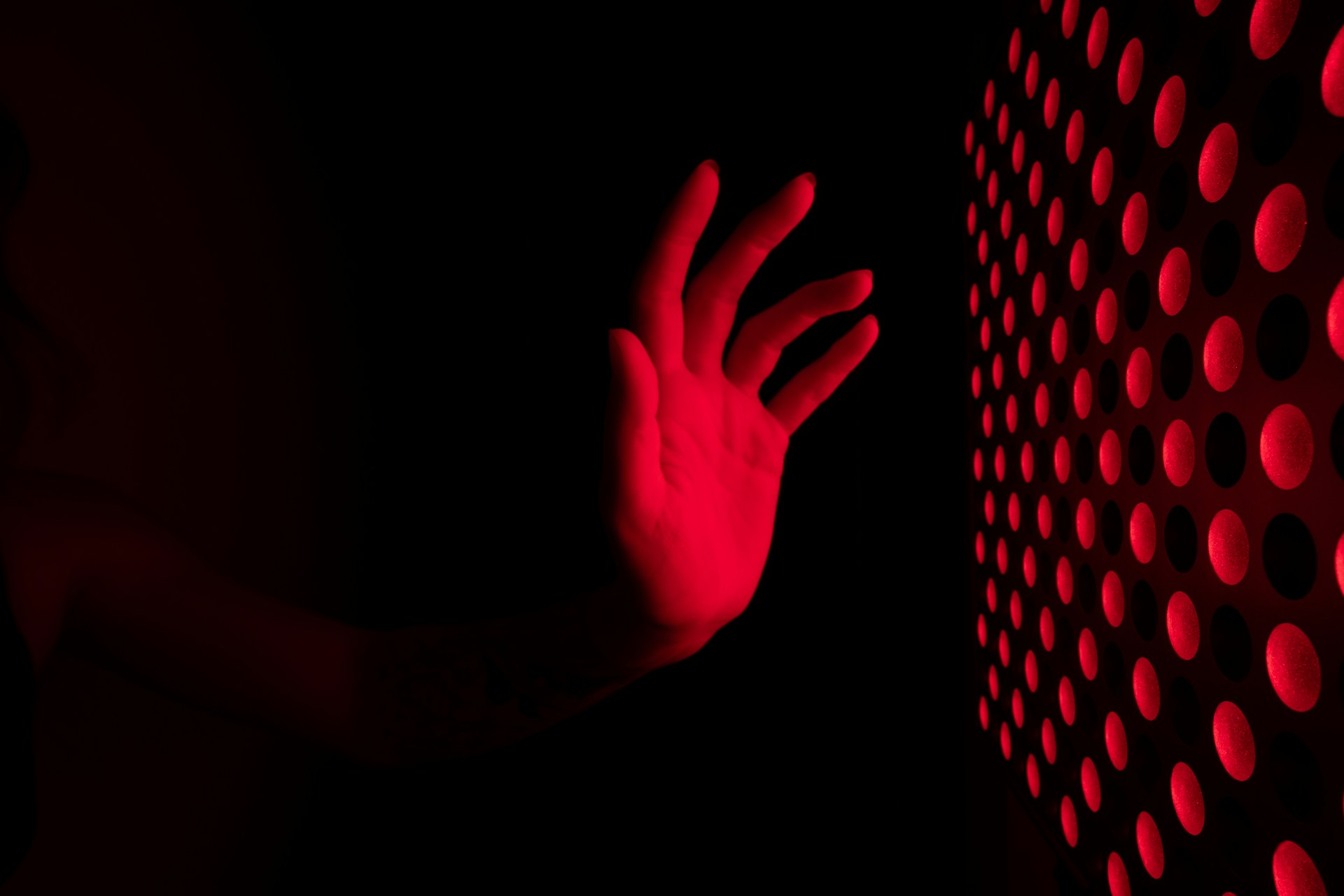
The BestQool panel delivers high power output with an irradiance of higher than 100 milliwatts per square centimeter at the surface and 95.6 milliwatts per square centimeter at three inches. This power level means that a ten minute session can be equivalent to twenty minutes with weaker consumer devices. It includes three operating modes that allow users to customize treatment for skin improvement, pain relief, better sleep, increased energy, or post workout recovery. The panel uses a 60 degree beam angle and dual chip technology to maximize depth of penetration.
The design is durable, quiet, hands free, and includes a hanging kit, built in cooling system, eye protection, and a user friendly control panel. The coverage area of 17.2 by 11.8 inches makes this red light therapy panel suitable for face, body, and targeted muscle treatment. It is designed for convenient use while sitting, lying down, or working, which makes consistency easier. It also includes a 30 day return period, letting users test results with confidence. This device offers a way to access powerful therapy without paying recurring spa session costs and without leaving home.
Light is essential fuel for the cells, and giving the body the right wavelengths allows it to recover and rebuild naturally. A clinical grade device is like nutrition for the cells, helping them function at their highest potential.

How to Use Red Light Therapy for Best Results
For most individuals, the ideal routine is ten to fifteen minutes per treatment area, four to six times per week, at a distance of three to twelve inches from the red light therapy device. Protective eyewear should be worn during facial treatments. Staying hydrated before and after sessions can improve cellular response time. Many people begin to see visible changes within two to four weeks, with stronger cumulative results over time. The key to success is consistency and sufficient light intensity.
People who can benefit most include athletes looking to improve performance, individuals recovering from injury or surgery, those experiencing chronic pain or inflammation, people seeking non invasive anti aging options, and anyone dealing with sleep issues or fatigue. Because it is drug free and gentle, red light therapy at home is an appealing long term wellness tool for a wide audience.
Final Thoughts
The science behind red light therapy is powerful, compelling, and supported by a growing body of evidence. By increasing ATP production and supporting mitochondrial function, red and near infrared wavelengths help the body repair and regenerate naturally. Benefits range from improved skin tone to reduced inflammation, faster muscle recovery, better sleep, increased energy, and enhanced mental clarity.
However, achieving these results requires a device that provides the correct wavelengths and enough power to create real cellular change. That is why the BestQool Red Light Therapy Dual Chip Clinical Grade LED Panel stands out as a leading option for anyone looking to enjoy deep wellness benefits from home.
Light affects everything about human biology. When cells are given the correct type of light, they thrive. When cells thrive, the entire body improves. The potential is enormous, and the results speak for themselves.