Understanding What Lies Beneath the Surface
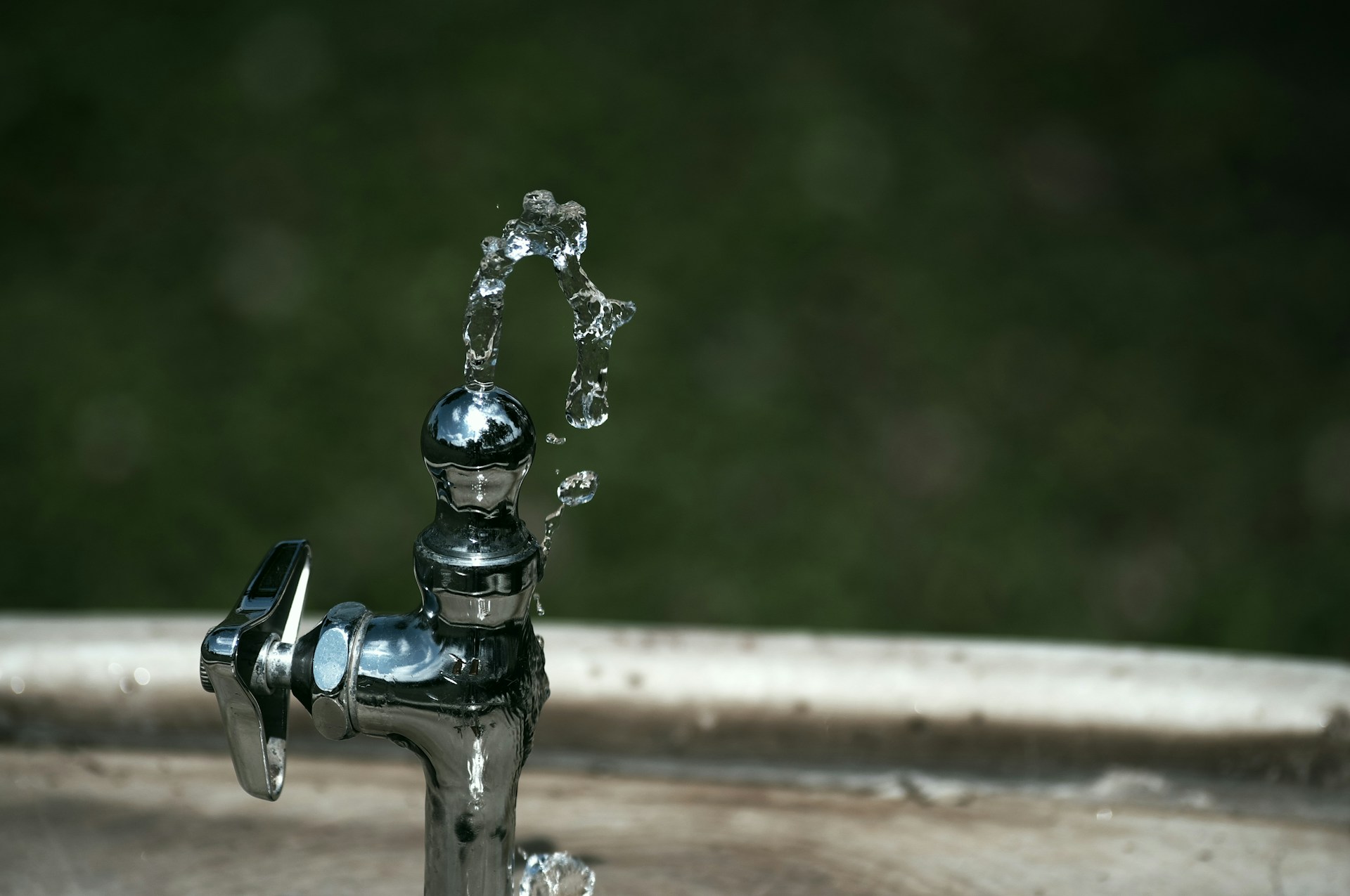
Every glass of water tells a story, though not all are reassuring. For most households, tap water appears clear and harmless, yet clarity alone can be deceiving. Beneath its surface, invisible threats often persist: microorganisms, heavy metals, chemical residues, and sediment particles that compromise both health and taste. These contaminants enter water systems through a variety of channels, from aging pipelines to agricultural runoff and industrial waste. While most public utilities are required to meet safety standards, those standards focus on minimum compliance, not total purity. The result is that many people consume water that still contains trace pollutants capable of affecting the body over time.

Waterdrop
Invisible Contaminants and Long-Term Effects
The most alarming risk of unfiltered water lies in its subtlety. Unlike spoiled food, which shows obvious signs of decay, water contamination is silent and invisible. Heavy metals like lead, mercury, and arsenic accumulate slowly, interfering with neurological function, damaging organs, and even altering cell processes. Microbial contaminants such as bacteria, viruses, and protozoa can cause gastrointestinal illness, fatigue, and dehydration. The World Health Organization estimates that millions of people each year suffer from diseases linked to poor water quality. Even in developed countries, outbreaks of E. coli and Legionella demonstrate that contamination remains a persistent risk. Over time, repeated exposure to low-level toxins in unfiltered water can weaken the immune system and contribute to chronic conditions.
When Clarity Is Not Cleanliness
Water clarity often creates a false sense of safety. A crystal-clear glass may still contain microplastics, nitrates, chlorine byproducts, or residues from pesticides. Many of these substances are odorless and tasteless, escaping notice until they produce cumulative health effects. The danger is that households relying solely on municipal filtration systems assume protection that may not exist. Municipal treatment plants use chlorine or chloramine for disinfection, but these chemicals react with organic matter to form harmful byproducts such as trihalomethanes, which have been linked to cancer and reproductive issues. The limits for these compounds are regulated, yet the regulations themselves allow for levels that, while legally acceptable, are not necessarily optimal for human health.

Waterdrop
Infrastructure and Environmental Pressures
The infrastructure delivering drinking water is aging across much of the world. In many cities, water travels through pipelines installed more than half a century ago. Corrosion within these systems releases metals like lead and copper, especially when water remains stagnant for hours. Industrial regions face additional threats as pollutants seep into groundwater, where they remain for decades. Agricultural zones, meanwhile, suffer from nitrate and pesticide infiltration caused by fertilizer runoff. Climate change amplifies these challenges: higher temperatures increase bacterial growth in reservoirs, while extreme weather events disrupt treatment processes. The combination of environmental and structural stressors means that water once considered safe can rapidly become a source of risk.
The Household Vulnerability
Every home presents unique vulnerabilities. Apartment buildings with shared plumbing systems often experience stagnant water in certain pipes, providing breeding grounds for microorganisms. Rural households relying on wells face different issues, as private sources are rarely tested to the same extent as municipal ones. Even newer homes are not immune, since plastic pipes can leach small amounts of chemicals into the water, especially under heat. The reality is that the final stretch, the journey from treatment plant to tap, is where most contamination occurs. Without point-of-use filtration, there is no safeguard against these last-mile risks.
Technology as a Shield
Modern filtration systems provide a practical and scientifically grounded solution to these vulnerabilities. Technologies like activated carbon, ultrafiltration, and reverse osmosis work by targeting different classes of contaminants. Activated carbon adsorbs chlorine, organic chemicals, and odors, improving both safety and taste. Ultrafiltration uses membranes that physically block bacteria and microplastics, while reverse osmosis applies pressure to remove dissolved solids, heavy metals, and fluoride. Together, these technologies recreate water’s natural purity while ensuring consistency that municipal systems cannot guarantee. In many households, installing a dedicated filtration unit represents not a luxury but an essential step toward health protection.
An Industry Built on Innovation and Trust
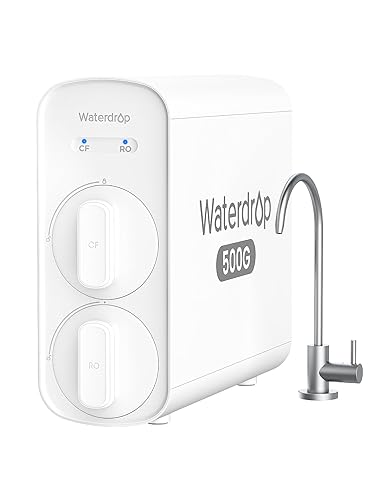
In recent years, the market for home filtration systems has shifted from niche to necessity. Advances in design have made modern systems compact, efficient, and capable of providing high flow rates without bulky tanks. Among the brands that have contributed to this evolution, Waterdrop has distinguished itself through its technological precision and focus on safety. Rather than simply filtering for taste, its systems are engineered for measurable purity. Certified by standards such as NSF 58 and NSF 372, Waterdrop products remove lead, fluoride, chlorine, and other contaminants while maintaining essential minerals. Their tankless reverse osmosis systems reflect a commitment to both performance and sustainability, reducing plastic waste by minimizing bottled water dependence.

Waterdrop
A Practical Example of Applied Science
The science behind these systems illustrates how technology transforms everyday living. In the case of Waterdrop’s G3P600 model, an eight-stage filtration process combines activated carbon with a high-efficiency membrane capable of blocking microscopic pollutants. The tankless design not only prevents bacterial growth inside stored water but also allows continuous purification directly from the tap. Smart faucets with integrated indicators show filter life and operational status, ensuring the user is always aware of system performance. Such innovations highlight how household technology can deliver the kind of consistency once reserved for industrial-scale purification.

Waterdrop
Sustainability Through Better Habits
Beyond the immediate health benefits, filtering water at home contributes to broader environmental goals. Every liter of purified tap water replaces a bottle that would otherwise contribute to plastic waste. Waterdrop and similar innovators emphasize this dual responsibility of protecting the body while protecting the planet. Reducing bottled water consumption also lowers carbon emissions associated with manufacturing and transportation. The broader implication is that clean water technology, when widely adopted, serves as a model for sustainable living. It turns personal health choices into collective environmental action.
Economic and Everyday Value
Some consumers hesitate to invest in filtration technology, viewing it as an unnecessary expense. However, the long-term economics favor filtration over bottled alternatives. A family consuming bottled water daily can spend hundreds of dollars a year, while a filtration system delivers thousands of liters at a fraction of the cost. The convenience of unlimited access also reshapes daily routines, eliminating reliance on deliveries or heavy packs of plastic bottles. As systems like those developed by Waterdrop require only periodic filter replacement, the maintenance is simple and predictable. Over time, this combination of reliability, affordability, and environmental sense makes filtration not merely an upgrade but an informed choice.
Waterdrop
The Misconception of Natural Safety
There is a persistent belief that water drawn from a mountain spring or rural well is inherently pure. In reality, natural does not always mean safe. Groundwater in remote areas can contain arsenic, manganese, or nitrates, and surface water sources are susceptible to bacterial contamination after heavy rainfall. Relying on appearance or reputation ignores the complex chemistry of water. Even taste is not a reliable guide, since many harmful substances have no sensory signature. The notion that clean water is guaranteed by location or label remains one of the most dangerous misconceptions.
Health and Lifestyle Connection
Safe hydration is central to every aspect of well-being. Water regulates temperature, supports metabolism, transports nutrients, and aids detoxification. When the water consumed contains impurities, these essential processes are compromised. Heavy metals interfere with enzyme function, while excess chlorine irritates the digestive tract and skin. Over time, the cumulative burden can manifest as fatigue, dull skin, or digestive imbalance, symptoms easily attributed to other causes. Maintaining a consistent intake of pure water supports not just immediate hydration but long-term resilience. Reliable filtration, such as that provided by brands committed to certified performance, ensures that every sip strengthens rather than undermines health.
A Personal Responsibility for Public Health
While governments regulate water safety, the final responsibility rests with individuals. Municipal systems provide a baseline of protection, but personal vigilance closes the remaining gap. By adopting technologies that verify purity at the point of use, households create an additional layer of defense. The logic is simple: even if 99 percent of contaminants are removed upstream, the remaining fraction can still pose risk when consumed daily. Clean water, therefore, is not only a public service but a personal commitment. Brands like Waterdrop have made that commitment more accessible, integrating advanced engineering into systems that fit modern homes without complexity.

Waterdrop
A Future Defined by Prevention
As global populations grow and environmental pressures increase, the importance of preventive health will intensify. Clean water is the foundation of that future. Investing in filtration is not just about reacting to contamination but about ensuring continuity of safety, comfort, and confidence. The invisible threats within unfiltered water may never disappear entirely, but their impact can be reduced through intelligent design and informed choices. Each glass of purified water becomes a small act of prevention, reinforcing the idea that safety begins at home.
Reframing the Everyday Choice
The risks of unfiltered drinking water are not confined to distant regions or developing nations; they exist wherever infrastructure, environment, and human assumption intersect. Recognizing those risks is the first step toward addressing them. The second is taking action grounded in evidence rather than complacency. Filtration technology has advanced to a point where safety no longer requires compromise, and adopting it represents both personal prudence and collective responsibility. Clean water, once considered a privilege, is now a matter of informed choice, and the decision to filter it defines not just what we drink but how we value our health and the world we inhabit.
Waterdrop