

At first glance, slip-on shoes and hands-free shoes may seem like the same thing. Both are designed to eliminate the hassle of tying laces and make getting out the door easier. But while they share a common goal, they are not actually the same category of footwear. Understanding the difference can help you choose the option that best fits your lifestyle, comfort needs, and daily routine.
As footwear design continues to evolve, convenience has become just as important as style and performance. For many adults, the question is no longer whether they want easier shoes, but which type actually delivers on that promise.
What Slip-On Shoes Really Are
Slip-on shoes have been around for decades. They are typically designed with elastic panels, stretchy uppers, or a looser opening that allows the foot to slide in without using laces. Think loafers, elastic-gore sneakers, or casual slip-ons commonly worn for errands or relaxed settings.
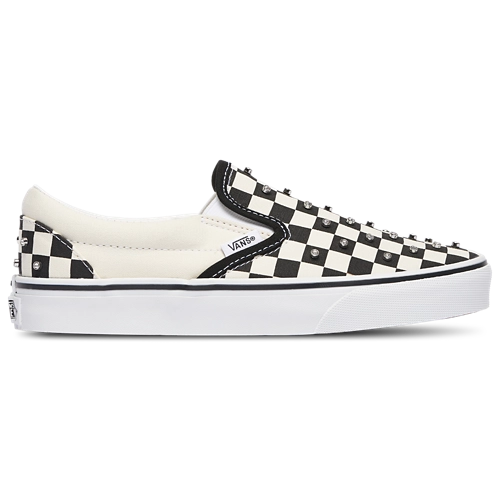
The main appeal of slip-on shoes is simplicity. There is no tying involved, and they usually look clean and minimal. However, slip-ons often require at least some hands-on effort. Many people still need to tug the heel, adjust the tongue, or loosen the opening to get a comfortable fit. Over time, the structure can also stretch out, leading to a looser feel or heel slippage.
The Limitations of Traditional Slip-Ons
While slip-ons are convenient, they are not always practical for every situation. Because they rely on flexible materials rather than structured support, they may lack stability, especially for long periods of walking or standing.
Some slip-on styles sacrifice support for ease, which can lead to foot fatigue. Others fit too snugly at first and loosen unevenly over time. For people with mobility challenges, back pain, or busy hands, even the small effort of bending down to adjust a shoe can become frustrating.
What Makes Hands-Free Shoes Different
Hands-free shoes are designed with a different approach. Instead of relying on stretch alone, they use engineered heel technology that allows the foot to step in without bending down or using hands, while still snapping securely into place.
This design prioritizes both convenience and structure. The shoe maintains its shape, offers consistent support, and allows for a true step-in experience. For many wearers, the difference becomes noticeable the first time they put them on.
Who Hands-Free Shoes Are Designed For
Hands-free shoes appeal to a wide range of people. Busy parents, commuters, travelers, healthcare workers, and anyone constantly on the move benefit from not having to stop and adjust footwear.
They are also especially helpful for people with limited mobility, joint pain, or balance concerns. Eliminating the need to bend down reduces strain and makes footwear more accessible without compromising comfort or style.
Fit and Support Compared
One of the biggest differences between slip-on and hands-free shoes is fit consistency. Slip-ons often loosen unevenly, particularly around the heel. Hands-free shoes are designed to maintain their structure, providing a more secure and predictable fit.
Support also tends to be more robust in hands-free designs. Many are built like traditional lace-up sneakers, but with added step-in functionality. This makes them better suited for all-day wear rather than short outings.
Everyday Use and Durability
Slip-on shoes work well for casual, low-impact use. They are easy to wear around the house, for quick errands, or in relaxed environments. However, they may not hold up as well to frequent use or longer walking sessions.
Hands-free shoes are often built for daily wear. Their reinforced heels and supportive construction help them maintain comfort and shape over time. For people who rely on one pair of shoes throughout the day, this durability can make a noticeable difference.
Where To Buy Hands-Free Shoes
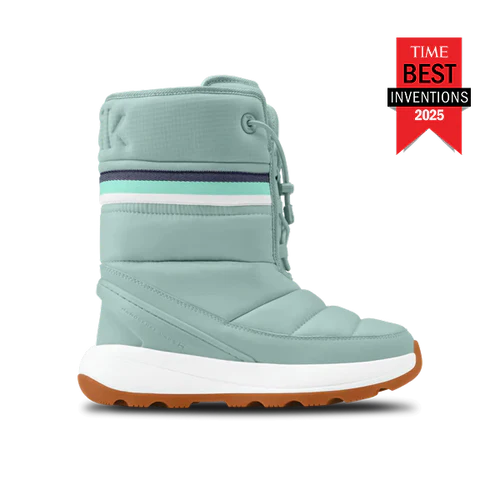
Kizik is frequently mentioned in conversations about hands-free shoes because of its step-in heel technology designed to bend and rebound without losing structure. Unlike traditional slip-ons, Kizik shoes allow wearers to step in fully without using their hands while still offering the feel and support of a regular sneaker. This makes them a common choice for people who want true hands-free convenience without giving up stability or comfort.
Style and Aesthetic Differences
Slip-ons tend to lean casual or minimal, often resembling loafers or laid-back sneakers. Hands-free shoes have expanded into more versatile designs, including athletic, casual, and everyday styles that blend in easily with modern wardrobes.
As the category grows, hands-free shoes are becoming less recognizable as “functional footwear” and more like standard sneakers, which helps them appeal to a broader audience.
Which Option Makes More Sense?
Choosing between slip-on and hands-free shoes depends on your priorities. If you want something simple for occasional use and do not mind minor adjustments, slip-ons may be sufficient.
If convenience, support, and long-term comfort matter more, hands-free shoes offer a more complete solution. They reduce friction in daily routines and are designed to be worn without compromise.
The Bigger Trend in Footwear
The rise of hands-free shoes reflects a larger trend toward thoughtful design that removes small inconveniences from everyday life. Consumers are increasingly drawn to products that save time and reduce effort without sacrificing quality.
As more people experience the difference firsthand, hands-free shoes are likely to continue growing beyond a niche category and into a mainstream footwear option.
Final Thoughts
Slip-on and hands-free shoes may look similar at first, but they serve different purposes. Slip-ons offer casual convenience, while hands-free shoes focus on true ease, support, and accessibility.
Understanding the difference helps explain why more people are making the switch. When footwear works with your lifestyle instead of against it, even small changes can make daily routines feel noticeably easier.