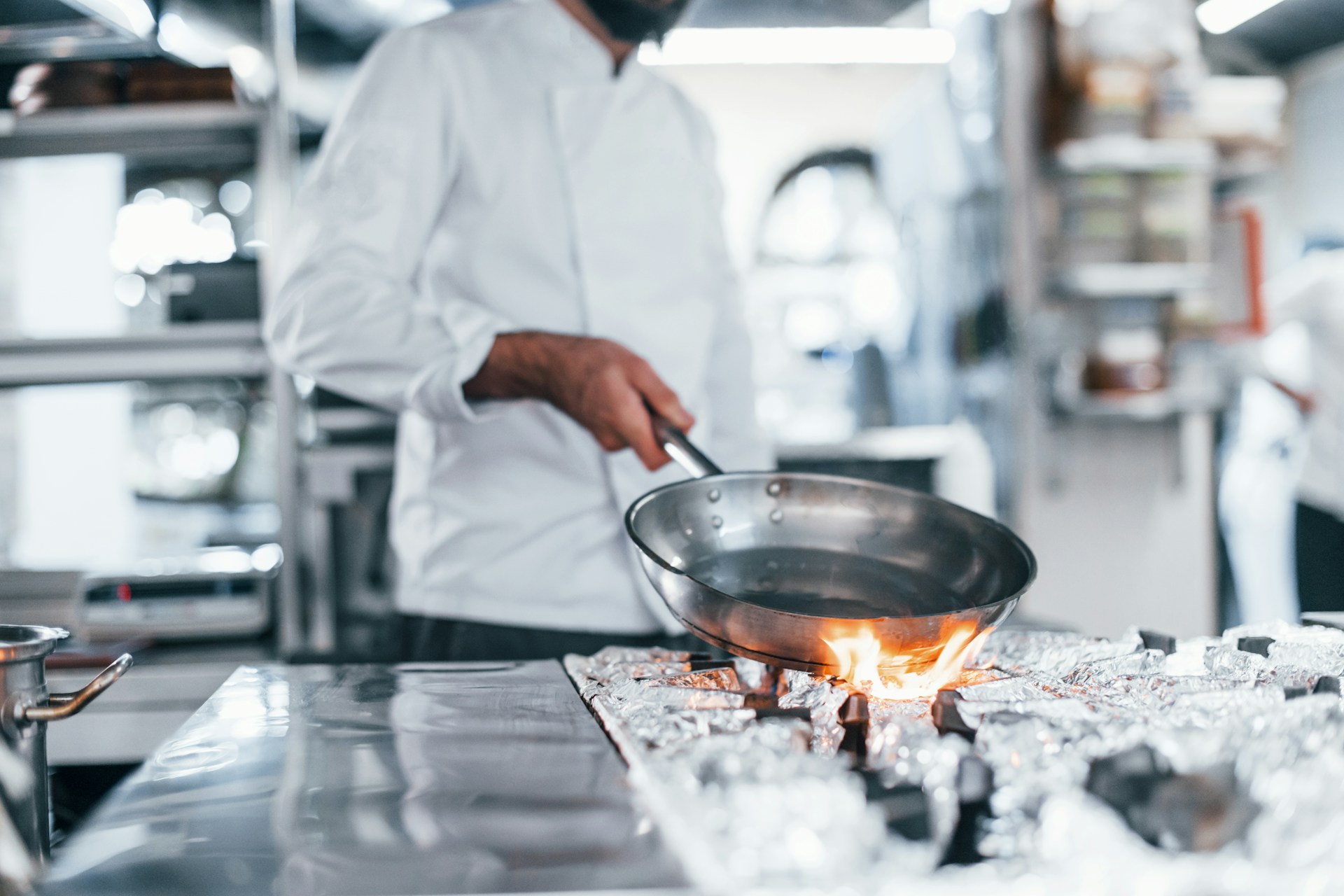
Stainless steel cookware has earned a reputation as one of the most durable, versatile, and professional-grade options available for home kitchens. Walk into almost any restaurant kitchen and you’ll likely see stainless steel pans on the stovetop. They are trusted by chefs because they can handle high heat, develop rich browning on foods, and stand up to years of heavy use.

However, one thing many home cooks do not realize is that not all stainless steel pans are built the same. Two pans may look nearly identical on the outside, but the materials, construction, and engineering behind them can dramatically change how they perform.
Some stainless steel pans heat evenly and deliver precise control, while others develop hot spots, warp over time, or struggle to maintain stable cooking temperatures. Understanding the differences between high quality stainless steel cookware and lower-end alternatives can make a big difference in both cooking results and long-term durability.
Once you know what to look for, it becomes much easier to choose cookware that truly performs well in the kitchen.
Why Stainless Steel Is So Popular
Stainless steel cookware is widely used because it offers a combination of durability, safety, and versatility that is difficult to match.
Unlike many other cookware materials, stainless steel is non-reactive. This means it does not interact chemically with acidic foods like tomatoes, citrus, vinegar, or wine. Because of this property, stainless steel preserves the natural flavors of ingredients without introducing metallic tastes.
Another major advantage is durability. Stainless steel can handle high heat, metal utensils, and frequent cleaning without breaking down or wearing out. While nonstick pans eventually lose their coatings, stainless steel frying pans can last for decades when properly cared for.
Stainless steel cookware is also compatible with nearly every cooking method. It works well for:
- Searing meats
- Sautéing vegetables
- Browning proteins
- Deglazing for sauces
- Pan frying
- Finishing dishes in the oven
Because of this versatility, stainless steel pans often become some of the most frequently used pieces of cookware in a kitchen.
The Hidden Weakness of Basic Stainless Steel
While stainless steel has many advantages, it also has one major limitation: it is not a great conductor of heat on its own.
If a pan were made entirely of a single thin layer of stainless steel, it would heat unevenly and develop hot spots. This uneven heating can cause food to burn in certain areas while remaining undercooked in others.
To solve this problem, high-quality stainless steel cookware uses multi layer stainless steel construction that combines stainless steel with other metals that conduct heat much more effectively.
Understanding Multi-Ply Construction
One of the most important features that separates premium cookware from basic pans is multi-ply construction.
Multi-ply cookware is made by bonding several layers of metal together. The outer surfaces are typically stainless steel, which provides durability and a non-reactive cooking surface. Between those layers are metals that conduct heat much more efficiently, such as aluminum or copper.
Common configurations include:
3-Ply Cookware
- Stainless steel exterior
- Aluminum core
- Stainless steel interior
5-Ply Cookware
- Stainless steel layers
- Aluminum or copper conductive layers
- Reinforced structural layers
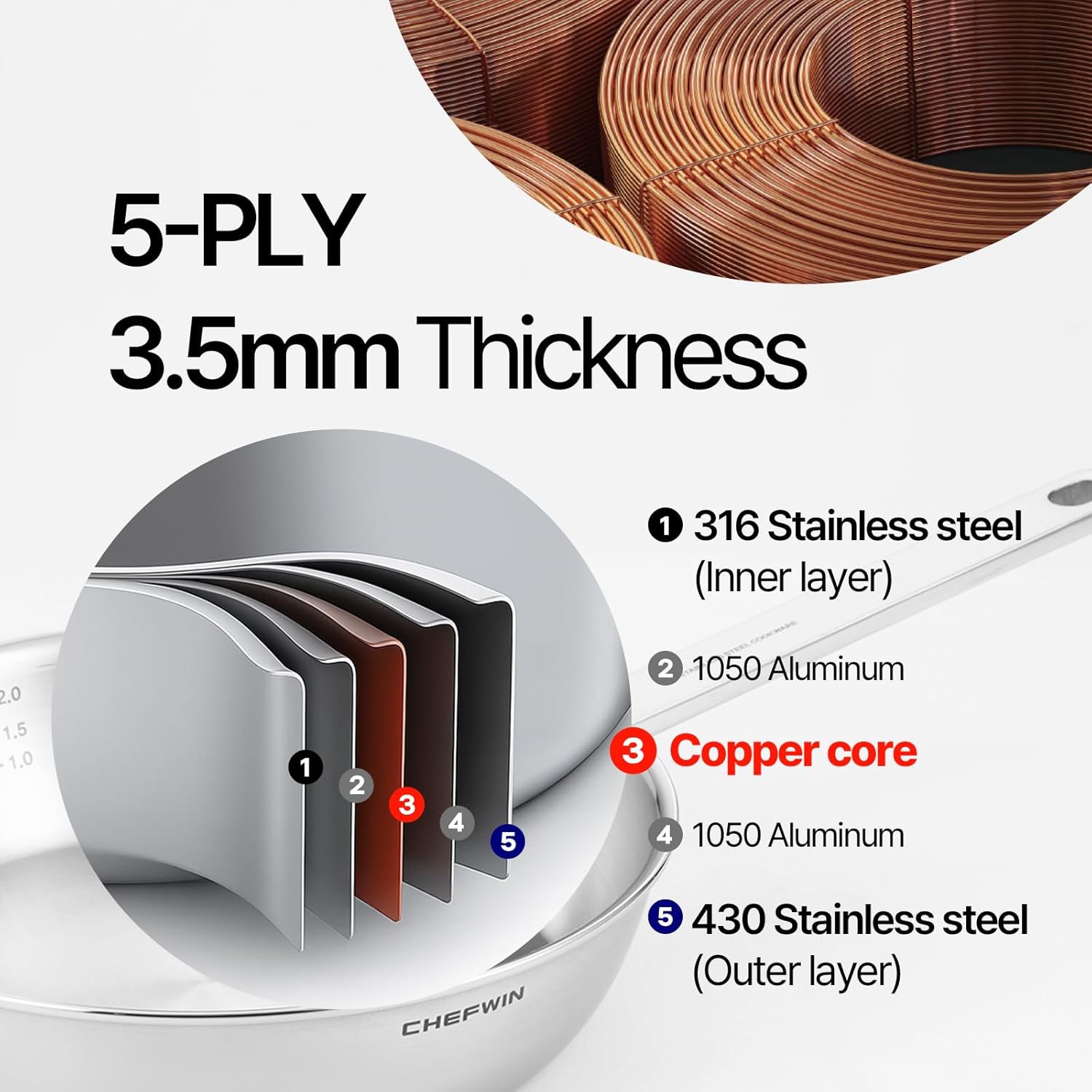
More layers generally improve heat distribution and stability. A properly engineered 5 ply stainless steel pan heats more evenly, maintains temperature better, and responds more consistently when the heat level changes.
This layered construction is one of the biggest reasons professional cookware performs so much better than cheaper alternatives.
Why Copper Core Cookware Stands Out
Among conductive materials used in cookware, copper is one of the best heat conductors available.
Copper responds quickly to changes in temperature and spreads heat evenly across the cooking surface. This helps prevent hot spots and allows cooks to maintain precise control while preparing food.
Because copper reacts quickly to adjustments in heat, it is especially useful for cooking techniques that require precision, such as sautéing delicate ingredients or controlling sauce reductions.
Copper-core cookware typically sandwiches a copper layer between stainless steel layers. This design combines copper’s excellent heat performance with the strength and non-reactive properties of stainless steel.
The Importance of Thickness
Another factor that influences cookware quality is pan thickness.
Thicker cookware tends to perform better because it distributes heat more evenly and resists warping at high temperatures. Thin pans heat quickly but often struggle with stability and can lose heat rapidly when food is added.
A well-constructed stainless steel pan balances thickness and weight so that it remains durable without becoming difficult to handle.
When cooking techniques such as searing meat or frying vegetables require steady heat, thicker multi-layer pans maintain more consistent cooking temperatures.
The Role of Stainless Steel Grades
Not all stainless steel is the same either. Different grades of stainless steel contain slightly different metal compositions, which influence corrosion resistance and durability.
Most cookware uses 304 stainless steel, often referred to as 18/10 stainless steel. This material is durable and widely used across many kitchen products.
However, some higher-end cookware uses 316 stainless steel, which offers improved corrosion resistance due to the addition of molybdenum. This added element helps protect the steel from salt and acidic ingredients.
Because of its enhanced durability, 316 stainless steel is commonly used in demanding environments such as medical equipment and marine applications.
In cookware, it can provide greater long-term resistance to corrosion and staining when exposed to ingredients like tomatoes, vinegar, and salted foods.
Cooking Performance Matters
The way cookware performs during cooking is often the most noticeable difference between high-quality pans and cheaper ones.
Good cookware should provide:
- Even heat distribution
- Stable temperature control
- Responsive heat adjustments
- Reliable searing performance
- Consistent results across the cooking surface
When these characteristics are present, cooking becomes easier and more predictable. Foods brown evenly, sauces reduce properly, and delicate ingredients cook more consistently.
For many home cooks, upgrading cookware can significantly improve the overall cooking experience.
Hygiene and Design Details
Another aspect that separates premium cookware from basic options is the attention to design details.
For example, many traditional pans use rivets to attach handles. While rivets are secure, they can create small gaps where food particles accumulate, making cleaning slightly more difficult.
Some modern cookware designs instead use rivet free stainless steel handles, which eliminate rivets and create a smoother interior surface that is easier to clean and maintain.
These small design improvements can contribute to both hygiene and long-term durability.
Versatility Across Cooking Surfaces
Modern kitchens often include a variety of cooking surfaces, including gas, electric, ceramic, and induction stovetops.
High-quality stainless steel cookware is designed to work across all of these surfaces. Induction cooking in particular requires magnetic materials, which stainless steel pans can provide.
Many stainless steel pans are also oven-safe, allowing them to move directly from stovetop cooking to finishing dishes in the oven.

Dishwasher compatibility is another feature many home cooks appreciate, making cleanup easier after meals.
A Well-Designed Stainless Steel Pan
For cooks looking for a pan that combines durability, heat performance, and modern design, cookware built with upgraded materials and layered construction can make a noticeable difference.
One example is the Chefwin 11-inch copper core stainless steel frying pan, which incorporates several features designed to improve both performance and durability in the kitchen.

This pan uses 3.5mm thick 316 stainless steel cookware, which offers excellent resistance to corrosion and maintains durability even when cooking salty or acidic foods. Compared to the more common 304 stainless steel used in many pans, 316 stainless steel includes molybdenum to improve resistance to corrosion and staining over time.
Inside the pan, a copper core 5 ply stainless steel construction helps distribute heat evenly and reduce hot spots across the cooking surface. This allows the pan to maintain consistent temperatures when searing, sautéing, or preparing everyday meals. The 28cm (11-inch) size also provides ample cooking space for a wide range of recipes.
Chefwin also focuses on practical design features, including rivet-free welded handles that prevent food buildup and improve hygiene while making cleaning easier. The pan is compatible with gas, electric, and induction cooktops, and it is both oven safe and dishwasher safe, making it a versatile option for modern kitchens.

Why Quality Cookware Is Worth It
Cookware plays a much larger role in cooking success than many people realize. A well-constructed pan distributes heat evenly, responds quickly to temperature adjustments, and holds up to years of daily use.
Lower-quality pans may appear similar on the surface, but they often struggle with uneven heating, reduced durability, and inconsistent results.
By understanding factors such as multi ply stainless steel cookware, copper core frying pans, stainless steel grades, and thoughtful design, home cooks can make more informed decisions when choosing cookware.
A Pan That Earns Its Place in the Kitchen
A good stainless steel skillet often becomes one of the most used tools in the kitchen. From quick weekday meals to more elaborate cooking projects, it handles a wide range of tasks.
Whether searing proteins, sautéing vegetables, or building sauces, a well-designed stainless steel pan delivers the reliability and control cooks depend on.
Not all stainless steel pans are equal. But once you understand the differences in construction and materials, it becomes much easier to recognize cookware that truly stands out.