Redefining What a Workout Means
For many, exercise brings to mind wide-open gyms, long running tracks, or spacious studios filled with equipment. But for millions living in apartments or smaller homes, that kind of space simply isn’t an option. Figuring out how to work out in a small space isn’t just about making the most of square footage; it’s about rethinking what fitness really means. The truth is that effective exercise has far less to do with room size and far more to do with creativity, structure, and consistency. With the right mindset, even a few square feet can become a dedicated home gym capable of real results.
The Science of Training in Tight Spaces
Working out in smaller areas challenges both the body and mind in new ways. Limited space encourages control, balance, and functional strength rather than relying on heavy machines or long-range movement. Research shows that calisthenics, resistance work, and high-intensity interval training (HIIT) can deliver results comparable to traditional gym workouts when done with proper form and intensity. Simple exercises like squats, planks, push-ups, and lunges take little room yet work multiple muscle groups at once, improving stability, coordination, and mobility. In many ways, small-space training enhances precision and body awareness, qualities often overlooked in larger gym environments.
Making Room for Movement
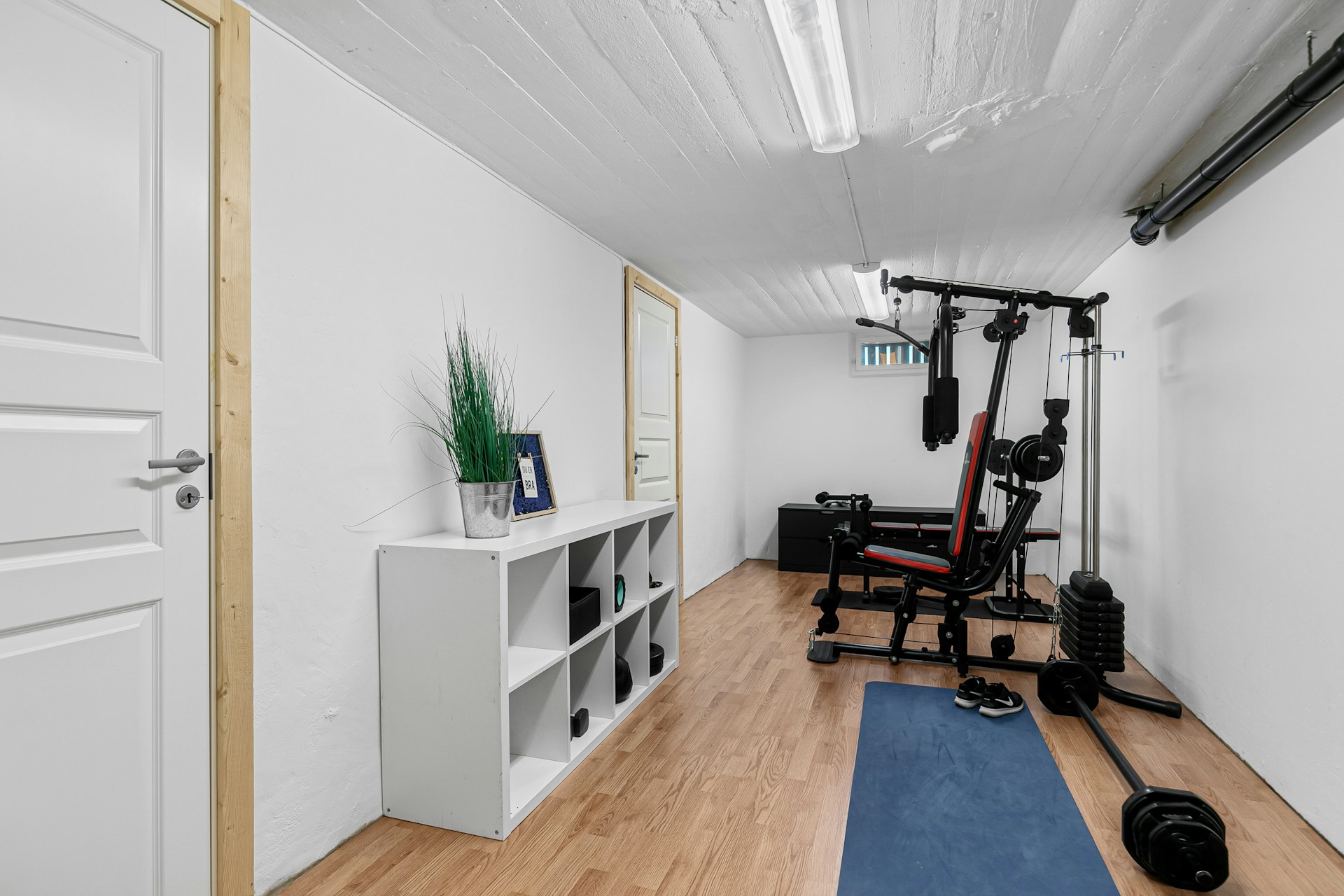
Before starting, it’s helpful to define what “small space” really means. It might be the stretch of floor between a couch and a coffee table, a balcony, or even the corner of a bedroom. The goal isn’t to clear out your entire room; it’s to work smartly with what’s available. Aim to create a rectangular area about two by two meters, just enough room for dynamic movements without restrictions. Flooring matters too: hardwood or tile can be slippery, so a quality exercise mat provides both traction and comfort. Once that space is set aside, it becomes your personal workout zone, no matter how compact.
Building an Effective Routine
Small-space workouts succeed when they focus on compound movements and vertical motion rather than side-to-side movement. A short circuit of squats, planks, push-ups, and burpees takes up no more space than your body length but still delivers a full-body burn. Adding jumps, shoulder presses, or mountain climbers increases your heart rate and calorie burn without expanding your footprint. Because the body must stabilize itself constantly, your core stays engaged throughout, building real-world strength that carries over into daily activities, from lifting groceries to improving posture. You can also include adjustable dumbbells or resistance bands to scale intensity.
Quiet Workouts That Still Deliver
For apartment dwellers, noise can be just as much of a concern as space. The fear of disturbing neighbors often discourages people from exercising at home. But low-impact training offers plenty of effective, quiet options. Static holds, slow-tempo strength work, and resistance bands all build strength without thumping floors. Isometric exercises such as wall sits, glute bridges, and planks generate deep muscle engagement without impact. Controlled breathing and slower pacing improve focus while reducing injury risk. In fact, quiet workouts often foster a stronger mind-muscle connection than fast-paced gym routines.
Innovation and Practical Design
Thanks to modern design, home fitness has never been more adaptable. Foldable benches, adjustable dumbbells, and compact resistance systems now make it possible to create a full gym setup in even the smallest spaces. These designs bridge the gap between professional-grade performance and home convenience. The growing focus on multifunctionality, where one piece of equipment can serve several purposes, fits perfectly with today’s minimalist lifestyles. As homes become more multifunctional, so should our fitness equipment.
Finding Balance With Finer Form
That’s where brands like Finer Form shine. Their approach to fitness equipment centers on stability, adjustability, and compact design, ideal for people working with limited space. Their multi-functional benches, for example, can serve as a flat or incline bench, or even a Roman chair for hyperextensions. Heavy-duty steel frames ensure safety and sturdiness, all within a small footprint. This allows anyone, even in a studio apartment, to perform serious strength training without compromising comfort or stability.

Finer Form
Small Space, Big Strength
Success in small-space training comes down to efficiency. Finer Form’s adjustable benches and compact dumbbells embrace this principle by offering multiple configurations within the same footprint. Their foldable designs make it easy to reclaim your living area in seconds, removing one of the biggest mental barriers to home workouts: clutter. When equipment can be set up and stored away effortlessly, the mental line between “home” and “gym” becomes clear, which helps maintain consistency. It’s a reminder that smart design doesn’t just save space; it removes excuses.
Training for the Long Term
Sustainability in fitness isn’t only about eco-friendly materials; it’s about building habits that last. A routine that fits naturally into your daily environment is one you’re more likely to stick with. Finer Form’s durable equipment embodies that idea. Foldable benches and compact dumbbells reduce dependence on gym memberships and encourage long-term ownership of your fitness journey. Investing in high-quality gear helps shift your mindset from temporary motivation to steady commitment. Space limitations, rather than barriers, can become motivators for consistency.

Finer Form
Mindfulness in Motion
Another benefit of small-space training is focus. Without rows of machines or mirrors, attention naturally turns inward to form, breathing, and balance. This kind of focus turns workouts into meditative experiences where movement and awareness align. Many people find that exercising in smaller spaces improves discipline because it removes distractions and external pressures. What starts as a necessity often becomes a more intentional and mindful approach to home fitness.
Functional Design, Professional Feel
The modern home gym no longer has to look cluttered or utilitarian. Brands like Finer Form have proven that functionality and aesthetics can go hand in hand. Their benches and dumbbells are designed to perform while complementing modern interiors. High-density padding, sleek steel frames, and clean lines give their products a professional look without visual bulk. A well-designed space feels motivating, and when your home gym feels organized and inviting, consistency naturally follows.

Finer Form
Shifting Your Mindset
The biggest barrier to small-space fitness isn’t the size of the room; it’s the mindset. Many people wait to “have more space” before starting, but most effective workouts only require your body weight and a willingness to begin. Compact tools like Finer Form’s adjustable benches or NÜOBELL dumbbells can enhance your training, but they’re not essential. The key is redefining what’s “enough.” Once that mental block is gone, creativity takes over. The smallest area becomes a space for growth, discipline, and real progress.
Building Momentum in Everyday Life
Consistency comes from accessibility. When your workout area is just a few steps away, exercise becomes part of your daily rhythm instead of a chore. Small-space training fits seamlessly into this lifestyle. Morning stretches, quick core sets, or evening strength work all blend easily into your routine. Over time, those short sessions add up to major results. Finer Form’s adaptable designs make switching exercises fast and simple, helping sustain momentum without disrupting your day.
A Lifestyle of Efficiency
Small-space fitness isn’t a compromise; it’s an evolution in how we think about movement. As city living grows denser and time becomes more valuable, efficiency defines success. The future of fitness lies in smart design, intentional movement, and sustainable practice, not in the size of a room or the number of machines inside it. Finer Form embodies this shift by engineering equipment that brings professional performance to everyday spaces. Real strength isn’t measured by the size of your gym, but by the effort and consistency you put in. A small space, used thoughtfully, can lead to results far greater than its dimensions suggest.
Finer Form
The Power of Less
Working out in a small space teaches a different kind of discipline, one based on focus, adaptability, and persistence. It strips fitness down to its essentials and reminds us how little we truly need to build strength and confidence. Whether you’re using your own body weight or adding compact, high-quality equipment from Finer Form, the formula stays the same: move with purpose, focus on form, and make every square foot count. Small-space training isn’t a limitation; it’s proof that real strength comes not from size, but from intention.