Working out at home has become one of the most popular ways to stay fit. It’s convenient, flexible, and eliminates the need for commuting to a gym. However, many people find that their home workouts don’t always feel as effective as exercising in a dedicated fitness environment. Distractions, lack of equipment, or simply losing motivation can make it harder to get the most out of your routine.

The good news is that with the right strategies, at-home workouts can be just as effective—sometimes even more effective—than traditional gym workouts. By optimizing your environment, structuring your routine properly, and staying motivated, you can turn your home into a powerful fitness space that supports your health goals.
Here are some proven ways to make your at-home workouts more productive and enjoyable.
Create a Dedicated Workout Space
One of the biggest differences between home workouts and gym workouts is the environment. At the gym, the space is designed specifically for exercise. At home, however, your workout area might also be your living room, bedroom, or garage.
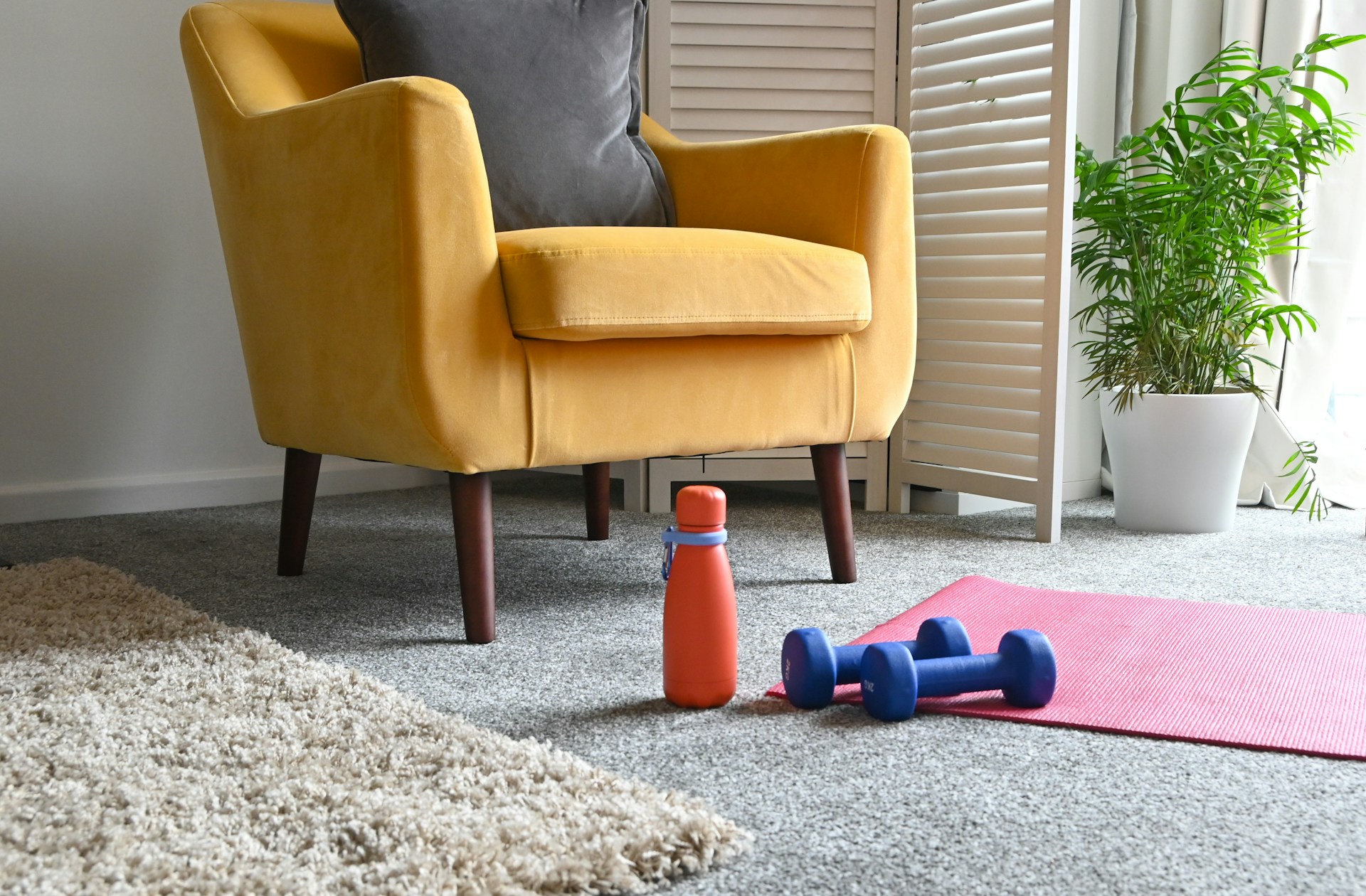
Creating a dedicated workout space can make a huge difference in your consistency and focus. Even if you only have a small corner available, designate it as your fitness area. This visual cue can help your brain shift into workout mode when you step into that space.
Keep essential items nearby such as a yoga mat, resistance bands, dumbbells, or a foam roller. Having your equipment easily accessible removes friction and makes it easier to start your workout without excuses.
Lighting also matters. A bright, energizing space can boost your motivation and make workouts feel more engaging.
Follow a Structured Workout Plan
One of the main reasons people struggle with home workouts is the lack of structure. At the gym, equipment and classes naturally guide your routine. At home, it’s easy to jump between exercises randomly without a clear plan.
Instead, follow a structured workout program that outlines what exercises to do, how many sets to perform, and how long to rest. Structured routines improve efficiency and ensure you’re targeting all major muscle groups.
For example, a balanced weekly plan might include:
• Strength training days
• Cardio sessions
• Mobility or flexibility workouts
• Rest or recovery days
Having a clear plan eliminates guesswork and helps you stay committed.
Focus on Progressive Overload
Progressive overload is one of the most important principles in fitness. It means gradually increasing the challenge of your workouts over time to keep improving strength, endurance, and overall fitness.
At home, progressive overload can be achieved in several ways:
• Increasing repetitions or sets
• Adding resistance bands or weights
• Slowing down exercise tempo
• Reducing rest time between sets
• Trying more advanced exercise variations
For example, if standard push-ups become too easy, you can progress to decline push-ups, tempo push-ups, or weighted push-ups. Small increases in difficulty can lead to significant improvements over time.
Use Bodyweight Exercises Effectively

Many people assume they need expensive equipment to get a good workout, but bodyweight exercises can be incredibly effective when performed correctly.
Exercises like squats, lunges, push-ups, planks, and glute bridges can target multiple muscle groups and build strength without requiring equipment.
The key is maintaining proper form and controlling your movements. Slow, controlled repetitions can increase muscle engagement and improve results.
Combining several bodyweight exercises into circuits can also keep your heart rate elevated while building strength.
Reduce Distractions
Home workouts come with one major challenge: distractions. Phones, TV, chores, and family interruptions can easily break your focus.
To create a more effective workout environment, try these simple strategies:
• Silence notifications during workouts
• Set a specific workout time
• Let others in your home know you’re exercising
• Keep your workout area clutter-free
Treat your workout time as a scheduled appointment. Even 30 to 45 minutes of focused training can produce significant results if you stay consistent.
Add Energy With Music
One often overlooked factor in workout performance is music. The right music can boost motivation, improve mood, and even increase exercise intensity.
Many athletes and trainers use music to help maintain rhythm during exercises and to stay energized throughout longer workouts. Upbeat music can make cardio sessions more enjoyable and strength workouts more powerful.
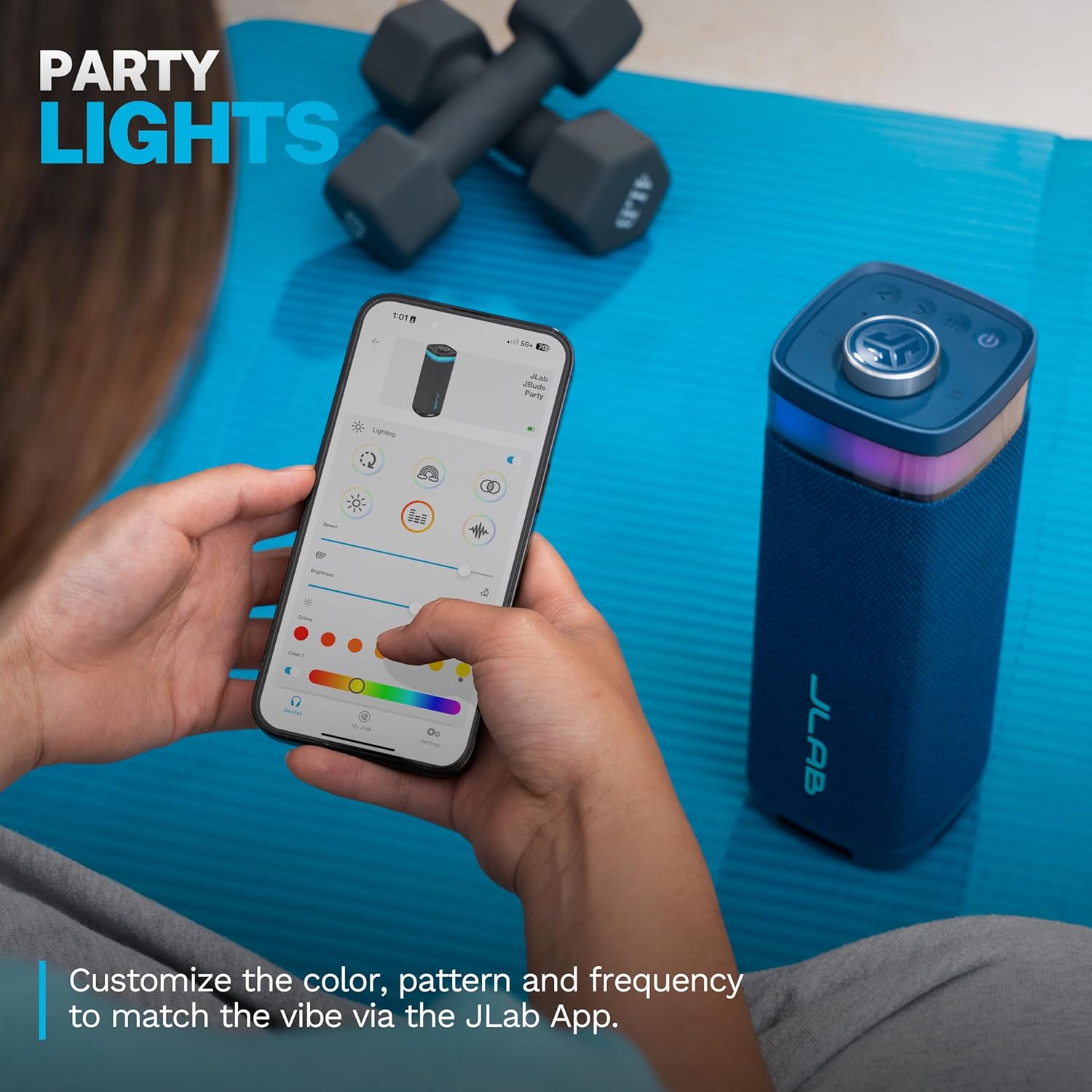
A great way to bring energy to your home workouts is with a quality portable speaker. For example, the JLab JBuds Party Portable Bluetooth Speaker delivers powerful sound designed to energize any space. With dual 2.5-inch full-range drivers and two passive woofers producing 30 watts of power, it delivers deep, room-shaking audio that can make your workout playlist feel more immersive.
The speaker offers up to 12 hours of playtime—over 10 hours even when using the vibrant RGB lighting—so your music can keep going through long sessions or multiple workouts throughout the day. The lighting itself can also add a fun atmosphere, allowing you to customize colors, patterns, and frequency through the JLab app to match the energy of your workout.
If you enjoy training with friends or hosting group workouts, LabSync lets you sync the sound and lights for up to 100 compatible speakers, creating a powerful audio experience across multiple rooms. The speaker also supports stereo pairing, allowing two units to act as left and right channels for a bigger, more immersive soundstage.
Its IP56 water-resistant rating means it can handle sweat, splashes, or even outdoor workouts near the pool or patio. With a built-in loop handle for easy transport and customizable sound modes through the app, this portable Bluetooth speaker makes it easy to create a motivating workout environment wherever you train.
Incorporate High-Intensity Intervals

If you’re short on time, high-intensity interval training (HIIT) can be one of the most effective workout methods. HIIT alternates short bursts of intense exercise with brief recovery periods.
For example:
• 30 seconds of jumping jacks
• 30 seconds rest
• 30 seconds mountain climbers
• 30 seconds rest
Repeat this cycle for 10 to 20 minutes.
HIIT workouts can improve cardiovascular fitness, burn calories efficiently, and keep workouts exciting by constantly changing exercises.
Track Your Progress
Tracking progress is a powerful motivator. When you can see improvements in strength, endurance, or consistency, it reinforces your commitment to your routine.
You can track your workouts in several ways:
• Write down sets and reps in a workout journal
• Use a fitness app
• Track workout duration and intensity
• Monitor improvements in performance
Seeing progress—even small improvements—can make a big difference in maintaining motivation.
Prioritize Recovery
Rest and recovery are just as important as the workouts themselves. Muscles need time to repair and grow stronger after exercise.
At home, it’s easy to feel like you should train every day, but overtraining can lead to fatigue, reduced performance, and injury.
Include recovery strategies such as:
• Stretching after workouts
• Foam rolling tight muscles
• Staying hydrated
• Getting enough sleep
Recovery days can also include light activities like walking or gentle yoga to maintain movement without overloading the body.
Make Workouts Enjoyable

Consistency is the most important factor in fitness success. If your workouts feel boring or exhausting, it becomes much harder to stay committed long-term.
Adding variety, music, and creative workout styles can keep things interesting. Try alternating between strength training, yoga, mobility work, and cardio sessions throughout the week.
You can also explore online workout classes or follow guided programs to add structure and inspiration.
When workouts are fun and engaging, they feel less like a chore and more like a positive part of your daily routine.
The Future of Home Fitness
Home workouts are no longer just a backup option when the gym isn’t available. With better online resources, affordable equipment, and smart technology, working out at home can be a highly effective way to build strength, improve endurance, and maintain overall health.
By creating a dedicated workout space, following a structured routine, and keeping your environment motivating, you can transform your home into a powerful fitness hub.
Simple additions like energizing music, smart workout planning, and consistent tracking can make a big difference in your results.
The key is consistency. When you commit to showing up regularly and making small improvements over time, your at-home workouts can deliver powerful results—no gym required.