

Folate is one of those nutrients people hear about often, but many do not fully understand. It is commonly connected to prenatal vitamins, energy, mood support, brain health, and general wellness. But once you start looking at supplement labels, things can get confusing fast.
You may see words like folate, folic acid, L-methylfolate, methylfolate, 5-MTHF, vitamin B9, and active folate. They are related, but they are not exactly the same.
One of the most important differences is between regular folic acid and L-methylfolate, which is also known as 5-MTHF. Both are forms of vitamin B9, but the body handles them differently.
What Is Folate?
Folate is a water-soluble B vitamin also known as vitamin B9. It is naturally present in some foods, added to others, and available in dietary supplements. The term “folate” can refer broadly to naturally occurring food folates and different supplemental forms, including folic acid and 5-MTHF.
Folate plays an important role in the body because B vitamins help support normal cell function. Folate is involved in processes connected to DNA, amino acid metabolism, and healthy cell growth. That is one reason it is often discussed in connection with pregnancy, red blood cell support, and overall wellness.
Food sources of folate include leafy greens, beans, lentils, asparagus, avocado, and some fortified foods. But not everyone gets enough through diet alone, which is why folate supplements are common.
What Is Folic Acid?
Folic acid is a synthetic form of folate. It is commonly used in fortified foods and many traditional supplements. For decades, folic acid has been added to certain grain products to help improve folate intake in the population.
Folic acid is also the form most strongly associated with pregnancy-related public health recommendations. The CDC states that getting 400 micrograms of folic acid daily before and during early pregnancy can help prevent neural tube defects, which are serious birth defects of the brain and spine.
That is important because folic acid has a specific public health role. For pregnancy or prenatal needs, people should follow their healthcare provider’s guidance rather than swapping forms on their own.
What Is L-Methylfolate?
L-methylfolate is the active form of folate, often listed as 5-MTHF on supplement labels. It is called “active” because it is already in a form the body can use in folate-related pathways.
Regular folic acid has to go through conversion steps before the body can use it in its active form. L-methylfolate is different because it skips some of that conversion process.
That is why some people look for L-methylfolate instead of standard folic acid. They may want a bioactive form of vitamin B9, or they may be interested in methylation support, mood support, cognition support, or a supplement that pairs active folate with methylated B12.
Why the Difference Matters
The main difference between folic acid and L-methylfolate comes down to form and conversion.
Folic acid is common, affordable, and widely used in fortified foods and supplements. It has also been studied heavily for its role in helping prevent neural tube defects.
L-methylfolate, on the other hand, is already in an active 5-MTHF form. That makes it appealing to people who want a folate supplement designed around bioavailability and active B vitamin support.
This does not automatically mean one is “better” for everyone. The right choice depends on the person, their health needs, their lab results, medications, pregnancy status, and the reason they are considering a supplement in the first place.
What Does Methylation Mean?
Methylation is a normal process in the body that is involved in many functions, including DNA-related activity, detoxification pathways, neurotransmitter-related processes, and cellular health. Folate and vitamin B12 are both connected to methylation because they help support important biochemical reactions.
Vitamin B12 is required for healthy red blood cell formation, DNA synthesis, and normal central nervous system function. It also acts as a cofactor for enzymes involved in processes such as converting homocysteine to methionine.
That is why many methylfolate supplements also include B12. The two nutrients are often discussed together because they work closely in overlapping pathways.
Why Methyl B12 Is Often Paired With L-Methylfolate
Vitamin B12 comes in different forms too. One common active form is methylcobalamin, often called methyl B12.
Pairing L-methylfolate with methyl B12 can make sense because both are bioactive B vitamin forms. Folate and B12 both support normal DNA-related processes, nervous system function, and red blood cell health.
This is why you often see supplements that combine 5-MTHF with methyl B12. It creates a more complete B vitamin support formula rather than focusing only on folate by itself.
A High-Potency Option to Consider
For people specifically looking for an active folate supplement, L Methyl Folate 15mg Plus Methyl B12 Cofactor is worth considering.
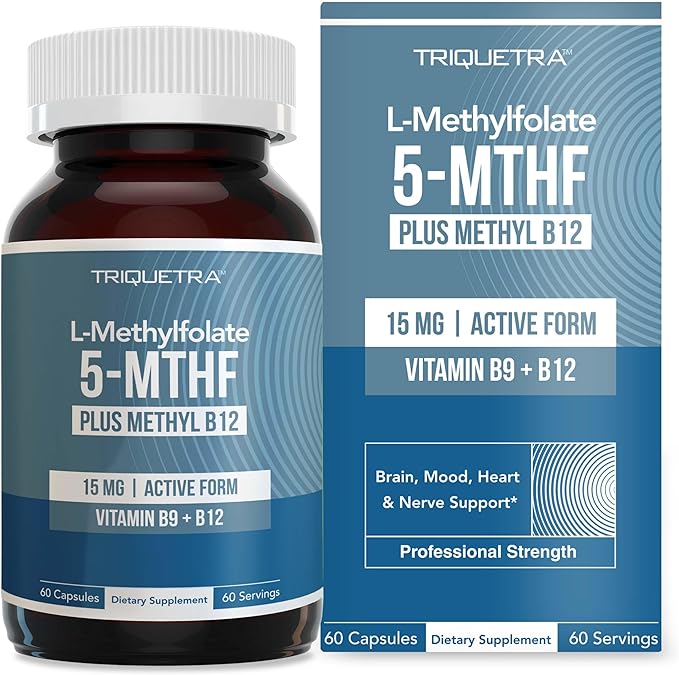
This product uses the active 5-MTHF form of folate, which makes it different from standard folic acid supplements. It also includes methyl B12, giving the formula an added cofactor for people who want support for methylation, mood, cognition, and general B vitamin wellness.
The 15 mg amount also makes it a high-potency option. That can be appealing for people who are specifically looking for a stronger methylfolate supplement, but it also means it should be used thoughtfully. High-potency folate is not something everyone needs, and people taking medications, managing health conditions, or using it for mood-related support should talk with a healthcare professional before starting.

For someone who already knows they want active B9 and B12 in one capsule, this type of supplement keeps the routine simple. Instead of buying separate methylfolate and methyl B12 products, it combines them into one daily formula.
Who Might Be Interested in L-Methylfolate?
L-methylfolate may interest people who are trying to better understand active B vitamins, methylation support, or alternatives to standard folic acid supplements. It may also appeal to people who prefer supplements that use bioactive nutrient forms.
Some people look into methylfolate because they have heard about MTHFR gene variants. These variants are common, but having one does not automatically mean you need a high-dose supplement. Testing, symptoms, diet, lab work, and medical history all matter.
This is why it is best to avoid guessing. Supplements can be useful, but they should be chosen with a clear reason.
Final Thoughts
L-methylfolate and folic acid are both connected to vitamin B9, but they are not the same form. Folic acid is the synthetic form commonly used in fortified foods and many supplements. L-methylfolate, or 5-MTHF, is an active form that is already closer to the form the body uses.
For people interested in bioactive B vitamin support, L Methyl Folate 15mg Plus Methyl B12 Cofactor offers a high-potency option with active 5-MTHF and methyl B12 in one formula. It is designed for people who want support for methylation, mood, cognition, and daily wellness.
The main takeaway is simple: folate matters, but the form matters too. Understanding the difference between folic acid and L-methylfolate can help you make a more informed choice when comparing supplements.