Weak, brittle nails can make even a simple manicure feel frustrating. One nail breaks, another starts peeling, and suddenly your hands look less polished no matter how much effort you put into them. This is especially common after gel polish, acrylics, press-ons, frequent polish changes, harsh removers, or simply neglecting your nails for too long.
The good news is that weak nails can often look and feel better with a consistent recovery routine. Nail recovery is not about one dramatic treatment. It is about protecting your nails while they grow, keeping them hydrated, avoiding habits that cause more damage, and using products that help support a stronger-looking nail surface.
Here is a simple nail recovery routine for weak, brittle, or post-damage nails.
Give Your Nails a Break
The first step is usually taking a break from anything that keeps stressing the nail. That may mean pausing gel manicures, acrylics, harsh polish removers, aggressive filing, or constant polish changes for a while.
This does not mean your nails have to look unfinished. It simply means giving the nail plate time to recover without being repeatedly buffed, soaked, scraped, or covered with heavy enhancements. If your nails are peeling, bending, splitting, or feeling thin, they may need a lower-maintenance routine before going back to full manicures.
Think of this phase as a reset. You are not ignoring your nails. You are helping them recover from too much wear.
Keep Nails Short and Neatly Shaped
When nails are already weak or brittle, long length can make breakage worse. Longer nails are more likely to bend, snag, crack, or split because there is more edge exposed to daily stress.
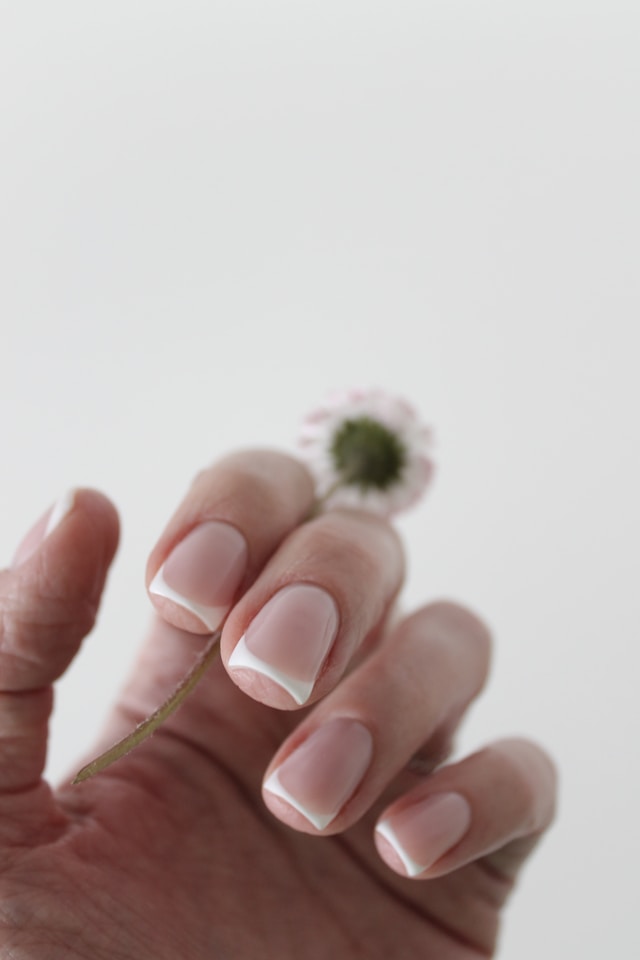
Keeping nails short and neatly shaped can make a big difference. A shorter length puts less pressure on the nail and makes it easier to protect the new growth coming in. Rounded or softly squared shapes are usually easier to maintain than sharp corners, which can catch on hair, clothing, towels, or bags.
This stage may not feel as glamorous, but it is practical. Short, clean nails can still look polished when they are shaped well and cared for consistently.
File Gently Instead of Overworking the Nail
Weak nails need gentle handling. If you clip brittle nails too aggressively, they can crack or split at the edge. Filing can be a better option, especially when you are trying to smooth rough tips or stop peeling before it travels farther up the nail.
Use a fine-grit nail file and file gently in one direction instead of sawing back and forth. The goal is to smooth and shape, not thin out the nail. Avoid heavy buffing too. Buffing may make nails look smooth temporarily, but too much of it can make already-weak nails even thinner.
A gentle file is one of the easiest tools to keep nearby during nail recovery. Fixing a small snag early can prevent a bigger break later.
Moisturize Nails and Cuticles Daily
Dry nails are more likely to feel brittle. Just like dry skin can crack, dry nails can peel, split, and look rough. That is why hydration is an important part of any nail recovery routine.
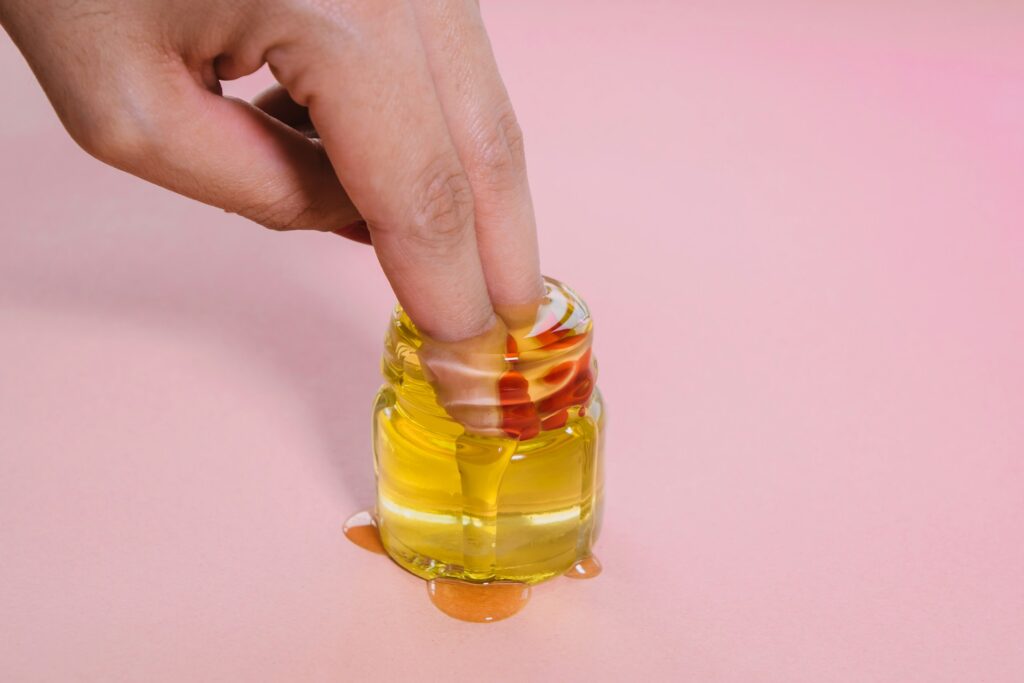
Use cuticle oil, hand cream, or a nail-focused moisturizer daily. Apply it around the cuticles, nail edges, and fingertips. This helps keep the surrounding skin softer and supports a healthier-looking nail area.
Cuticles matter too. When they are dry, cracked, or picked at, the whole nail area can look messy. Keeping them moisturized helps your hands look more cared for, even while your nails are still growing out damage.
Make this step part of your routine after washing your hands, before bed, or after removing polish.
Protect Your Nails From Water and Cleaning Products
Water may seem harmless, but frequent soaking can make weak nails more vulnerable. Nails absorb water, expand, and then contract as they dry. Over time, repeated exposure can contribute to peeling and brittleness.
Cleaning products can also be rough on nails and cuticles. Dish soap, disinfectants, bathroom cleaners, and household sprays can dry out the nail area, especially if you use them often without gloves.
The simple fix is to wear gloves when washing dishes, cleaning, gardening, or handling anything harsh. This small habit can help prevent extra damage while your nails recover.
A good nail recovery routine is not only about what you apply. It is also about what you avoid.
Add a Nail Strengthener to Your Routine
A nail strengthener can be one of the most useful products for weak, brittle, or post-damage nails. While moisturizers help with hydration, a strengthener helps create a more protected nail surface. It can make nails feel less vulnerable while they grow and help reduce the look of splitting, peeling, or breakage.
The key is consistency. Nail strengtheners are not usually a one-time fix. They work best when used as part of a routine and applied according to the product directions.
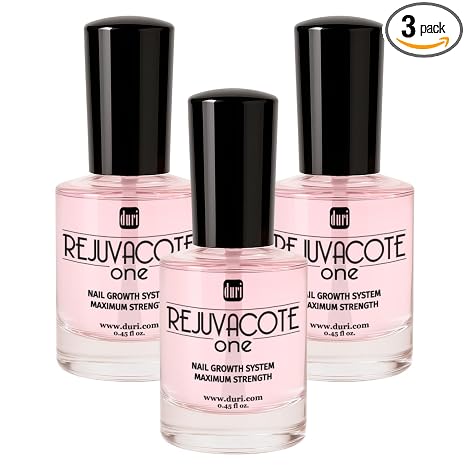
This is where duri cosmetics Rejuvacote 1 Nail Strengthener is worth considering. Rejuvacote 1 is designed for brittle, weak, or post-damage nails and is known as a maximum effect formula. It is a practical option for people whose nails feel thin, fragile, or damaged after manicures, gels, acrylics, or everyday wear.
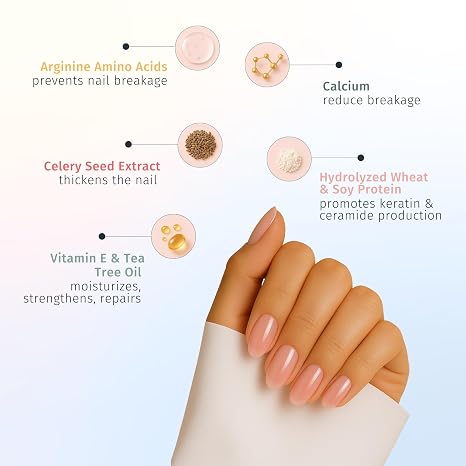
For someone trying to rebuild their nail routine, duri Rejuvacote 1 can fit in as the treatment step. It gives nails a more polished look while helping support stronger-feeling nails over time. It is especially useful when you want your nails to look neat but do not want to cover them with another heavy manicure while they are recovering.
duri cosmetics also makes the routine feel simple. Instead of guessing which product to use for weak nails, Rejuvacote 1 gives you a direct option made specifically for nail strengthening. For brittle nails that keep breaking or post-damage nails that need extra care, it is an easy product to add to your at-home nail recovery routine.
Stop Picking, Peeling, and Scraping
One of the fastest ways to make weak nails worse is picking at them. Peeling off polish, scraping off gel, picking at lifting layers, or pulling at a split nail can remove more of the nail surface and leave it even weaker.
This is especially common after gel polish or acrylics. Once something starts lifting, it is tempting to peel it away. But that can take layers of the natural nail with it.
During nail recovery, treat your nails like they are fragile. Do not use them as tools. Do not peel labels, open cans, scrape surfaces, or pry things apart with your nails. Use actual tools instead.
It sounds simple, but this habit alone can prevent a lot of unnecessary breakage.
Keep the Routine Simple and Consistent
A good nail recovery routine does not need to include ten different products. In fact, simple is usually better because it is easier to maintain.
A basic routine might look like this: keep nails short, file rough edges gently, apply a nail strengthener, moisturize cuticles, wear gloves when cleaning, and avoid picking or peeling. That covers most of what weak nails need.
Nails grow slowly, so recovery takes patience. The damaged part of the nail usually has to grow out over time. That means you may not see a complete transformation overnight, especially if the nail plate has been thinned, peeled, or weakened.
The goal is to protect the nail as it grows. Over time, the older damaged nail can be trimmed away while healthier-looking new growth comes in.
Final Thoughts
Weak, brittle nails can be frustrating, especially when they keep peeling, splitting, or breaking before they have a chance to grow. But nail recovery does not have to be complicated.
Start by giving your nails a break from harsh treatments. Keep them short, file them gently, moisturize daily, wear gloves when cleaning, and avoid picking or peeling. Then add a nail strengthener to help support the nail surface while it grows.
For this step, duri cosmetics Rejuvacote 1 Nail Strengthener is a strong option to consider. It is made for brittle, weak, or post-damage nails and fits easily into a simple at-home routine.
Healthy-looking nails take time, but the right routine can help them look smoother, feel stronger, and become easier to maintain. The key is consistency, patience, and giving your nails the support they need while they recover.