
Most people think about the drink before they think about the ice. The coffee, soda, lemonade, cocktail, or sparkling water gets all the attention, while the ice is treated like an afterthought.
But ice touches your drink, melts into your drink, and ends up in your mouth. That means the cleanliness of your ice matters more than most people realize.
The problem is that ice often comes from places you never actually see: refrigerator ice makers, restaurant machines, soda fountains, hotel ice bins, gas station machines, or shared coolers. The ice may look clean, but the machine making it could be hiding mold, slime, mineral buildup, funky residue, or old gunk behind the scenes.
Once you start thinking about where your ice comes from, it is hard to ignore.
Ice Is Not Automatically Clean Just Because It Is Frozen
A common mistake is assuming ice is safe because it is frozen. Cold temperatures can slow down some bacteria, but freezing does not magically clean dirty water, dirty equipment, or dirty surfaces.
If ice is made in a machine that has buildup inside, the ice may not be as fresh as it looks. If the bin is dirty, the scoop is contaminated, or someone reaches into the ice with unwashed hands, that ice can become questionable fast.
That is why ice should be treated more like food. You would not want your drink poured into a dirty glass, so it makes sense to care about whether the ice going into that glass is clean too.
The Gross Part Is Usually Hidden
The unsettling thing about dirty ice is that the problem is usually hidden inside the machine. You may never see the water lines, dispenser chute, ice bin, internal panels, or areas where moisture sits.
Moisture plus time can create the perfect place for buildup. That can mean moldy residue, slime, mineral deposits, sticky gunk, or biofilm inside the parts of the machine most people never inspect.
The ice itself may still look normal. It may be white, clear, or perfectly shaped. But if it passed through a dirty machine or sat in a dirty bin, it may not be something you want melting into your drink.
Dirty Ice Can Happen at Home and at Restaurants
Restaurant and food-service ice can be especially questionable because customers usually have no idea how often the ice machine is cleaned. Restaurants, fast-food places, coffee shops, hotels, cafeterias, and gas stations may all use commercial ice machines that require regular cleaning and sanitizing.
In a perfect world, every machine is cleaned on schedule and every employee handles ice properly. In reality, food-service places get busy. A scoop might be left in the bin. A cup might be used as a scoop. The machine might be overdue for cleaning. The dispenser area might have buildup. Staff may not always follow perfect ice-handling habits.
That does not mean every restaurant ice machine is dirty, but you usually cannot see inside it. You are trusting that it has been maintained.
Home refrigerator ice makers can get gross too. Many people clean their counters, sinks, dishes, and fridge shelves but never think about the ice bin or dispenser chute. Over time, the ice bin can collect freezer odors, crumbs, residue, frost, and stale ice. The dispenser area can become grimy. Water filters can go too long without being replaced.
If your ice tastes weird, smells stale, has particles in it, or gives your drink a freezer-like flavor, it may be time to clean the ice setup.
Dirty Ice Can Ruin the Taste of Your Drink
Even when ice does not make you sick, it can still ruin your drink.
Ice easily picks up smells and flavors from its environment. If your freezer smells like old food, onions, fish, freezer burn, or stale packaging, your ice can absorb some of that funk. Once the ice melts, that taste ends up in your water, iced coffee, soda, or cocktail.
Dirty bins and neglected machines can also make ice taste stale or unpleasant. Sometimes the drink is not the problem at all. The problem is the ice.
Clean, fresh ice can make drinks taste better because it is not adding unwanted odors, flavors, or residue.
Dirty Ice Can Potentially Make You Sick
The bigger concern is that contaminated ice can potentially make people sick. Ice can become contaminated through dirty machines, poor handling, unsafe storage, or contact with contaminated surfaces.
This is not just about being grossed out. Ice has been linked to food-safety concerns because it is consumed directly. If germs, mold, slime, or residue are present in the machine or bin, they can end up in the ice.
For most healthy adults, one questionable cup of ice may not automatically cause a problem. But for children, older adults, pregnant people, and anyone with a weaker immune system, being more careful with ice matters even more.
The point is not to panic every time you see ice. The point is to stop assuming ice is always clean just because it looks clean.
The Scoop Matters Too
Even clean ice can become contaminated after it is made.
At parties, offices, restaurants, and shared kitchens, the scoop matters. If the scoop is left on a dirty counter, buried in the ice with the handle touching the cubes, or handled by unwashed hands, it can spread germs into the bin.
Using a drinking glass or cup as an ice scoop is also a bad habit. The outside of the cup may not be clean, and it can touch the ice everyone else is using.
A clean scoop should be stored outside the ice in a clean place. People should avoid touching ice with bare hands. These small habits make a big difference, especially when multiple people are sharing the same ice.
Why Making Your Own Ice Gives You More Control
One of the easiest ways to feel better about your ice is to make it yourself in a machine you can actually see, clean, and manage.
When you rely on restaurant ice, hotel ice, gas station ice, or an old refrigerator ice maker, you do not always know what is going on inside the machine. But when you make your own ice at home, you have more control over the water, the machine, the scoop, and the storage.
You can use purified water or filtered water. You can clean the machine regularly. You can empty old water. You can rinse the basket. You can keep the scoop clean. You can avoid old freezer smells and questionable ice bins.
That does not mean a personal ice maker never needs cleaning. It still does. But it makes the process more visible and easier to manage.
A Cleaner Ice Upgrade: EUHOMY Countertop Ice Maker
For anyone who wants fresh ice without relying on old freezer trays or a refrigerator ice maker, the EUHOMY Countertop Ice Maker Machine is a practical option to consider.
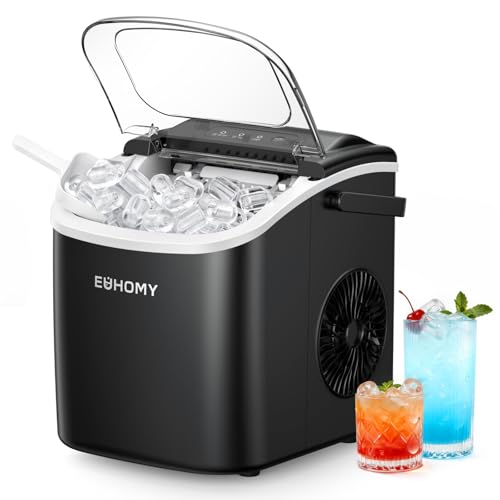
This portable ice maker is designed for kitchens, home bars, camping, RVs, parties, and everyday drink use. It can make 9 ice cubes in about 6 minutes and up to 26 pounds of ice in 24 hours, which means you can have ice ready quickly without waiting hours for trays to freeze.
It also comes with a handle, ice basket, and scoop, making it easy to move, serve, and use in different spaces. That is especially helpful for camping, RV trips, backyard gatherings, or small kitchens where freezer space is limited.
The clean ice angle is one of the biggest reasons it makes sense. Instead of wondering what is happening inside a restaurant machine or relying on a fridge ice maker you rarely inspect, you can make ice in a countertop machine you control. The EUHOMY model also includes an auto-cleaning feature, and the simple design makes it easier to keep an eye on the ice-making process.
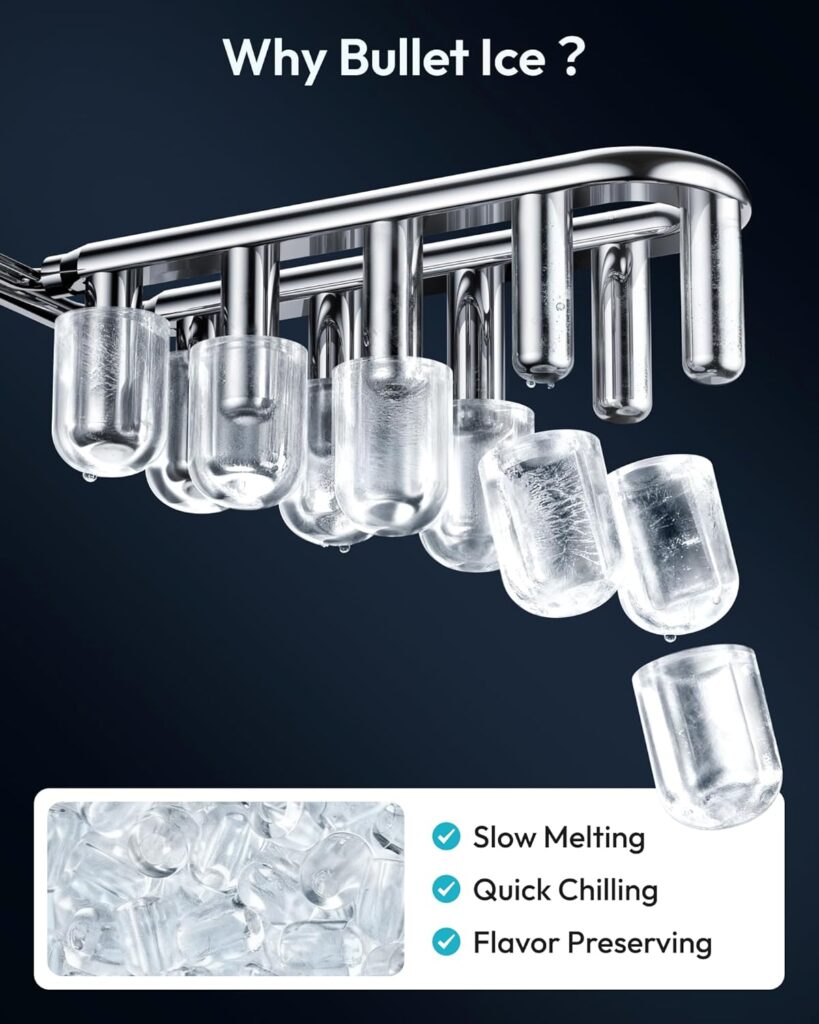
Another benefit is that you can use purified water. That can help your ice taste fresher and avoid some of the stale freezer flavor that comes from old ice sitting around too long.
Of course, you still need to follow the cleaning directions, keep the basket and scoop clean, and avoid touching the ice with dirty hands. But having your own countertop ice maker makes clean ice feel much more manageable.
Signs Your Ice Needs Attention
There are a few signs your ice may not be as clean or fresh as it should be.
If the ice smells strange, tastes stale, has visible particles, looks cloudy in an unusual way, or leaves a weird flavor in your drink, do not ignore it. If the ice bin looks grimy, the scoop feels sticky, or the dispenser area has buildup, it is time to clean.
At home, wash removable ice bins, clean dispenser areas, replace filters when needed, and throw away old ice. For parties or coolers, use a clean scoop and keep hands out of the ice.
Fresh ice starts with clean water, clean equipment, and clean handling.
Final Thoughts
Ice is easy to overlook because it seems simple. But once you realize how dirty ice makers, bins, scoops, and dispensers can get, it makes sense to pay more attention.
Dirty ice can come from mold, slime, gunk, old freezer odors, poor handling, or machines that are not cleaned often enough. It can ruin the taste of your drink and, in some cases, may even make people sick.
That does not mean you have to give up ice. It means you should be more selective about where your ice comes from.
For home use, the EUHOMY Countertop Ice Maker gives you more control. It makes ice fast, works for kitchens, camping, and RVs, includes an auto-cleaning feature, and lets you use purified water for fresher-tasting ice.
Your drink is only as clean as what goes into it. That includes the ice.