

Cutting monthly bills sounds great in theory, but most people do not want to feel like they are giving up the things that make everyday life easier. No one wants to cancel everything, stop ordering takeout forever, sit in the dark to save on electricity, or suddenly start living like every dollar has to be defended in court.
The good news is that lowering your monthly expenses does not always require a dramatic lifestyle change. In many cases, the biggest savings come from small adjustments that do not change how your day actually feels. It is less about giving up comfort and more about paying attention to where money is quietly slipping away.
A few smart switches, better habits, and regular check-ins can make your budget feel lighter without making your life feel smaller.
Rethink Your Phone Plan
Your phone bill is one of those monthly expenses that can be easy to ignore because it feels necessary. You need your phone for work, family, directions, banking, photos, entertainment, and pretty much everything else. But needing a phone does not always mean you need an expensive wireless plan.

Many people stay on the same phone plan for years without really checking if it still fits their life. Maybe you signed up when you needed a new device, added lines over time, or chose a plan that sounded convenient at the moment. Over time, that bill can become one of the bigger recurring charges in your budget.
This is where prepaid phone options can be worth a second look. Services like Metro by T-Mobile can appeal to people who want wireless service without feeling locked into a traditional plan structure. For someone who mainly wants talk, text, data, and predictable monthly costs, prepaid can feel much simpler.
The important thing is to compare what you actually use. If you are paying for extra features, international perks, hotspot amounts, or add-ons you rarely touch, you may be spending more than necessary. A less expensive phone plan does not have to mean you are downgrading your life. It can simply mean you are no longer overpaying for features that do not matter to you.
Rotate Streaming Services Instead of Keeping Everything
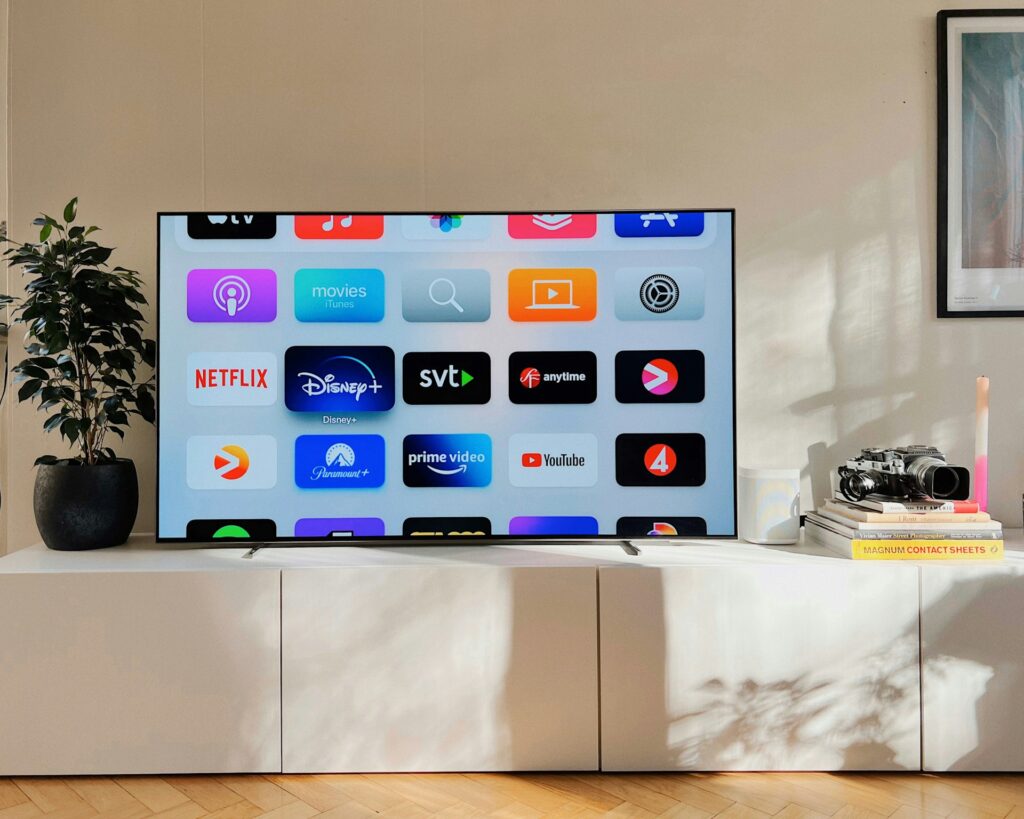
Streaming started as the cheaper alternative to cable, but now it is easy to end up with five or six subscriptions running at the same time. One service has the show you watch with dinner. Another has the movie library. Another has the one series you swear you are going to finish. Then there is music, cloud storage, audiobooks, fitness apps, and maybe a subscription box or two.
The problem is not always the cost of one subscription. It is the way they stack up quietly.
Instead of canceling everything, try rotating. Keep one or two streaming services you use most often and pause the others until there is something specific you want to watch. Most people are not actively using every subscription every week, even if they like having them available.
This approach does not really change your lifestyle because you still get entertainment. You are just not paying year-round for platforms you only open once in a while. It also makes choosing something to watch easier, because you are not endlessly scrolling across six different apps.
Check Auto-Renewals Before They Check Your Wallet

Auto-renewal is convenient until it starts charging you for things you forgot existed. A trial becomes a monthly fee. A yearly membership renews before you remember to cancel. A premium app upgrade keeps billing long after you stopped using the app.
One of the easiest ways to cut monthly bills is to review your bank and credit card statements for recurring charges. Look for small payments that repeat every month. These are easy to overlook because they may only be $4.99, $9.99, or $14.99 at a time, but together they can become a real expense.
You do not have to cancel everything. The goal is to keep what you actually use and remove what is just lingering in the background. If you would not sign up for it again today, it may not deserve a spot in your monthly budget.
Use Grocery Shortcuts That Prevent Waste

Food is another area where people think saving money means giving up everything enjoyable. In reality, a lot of grocery savings come from reducing waste, not eating less or buying things you dislike.
Start by looking at what you throw away most often. If produce goes bad before you use it, buy smaller amounts or choose longer-lasting options. If you always order food because there is “nothing to make,” keep a few easy backup meals at home. If snacks disappear too quickly, portioning them into smaller containers can help them last longer without making anyone feel restricted.
Prepared foods can also be used strategically. A rotisserie chicken, pre-cut vegetables, frozen rice, or ready-made sauce may cost more than making everything from scratch, but they can still be cheaper than ordering delivery. The point is not to create the cheapest possible grocery cart. It is to build a realistic kitchen routine that keeps you from spending more later.
Make Your Utilities Work Smarter
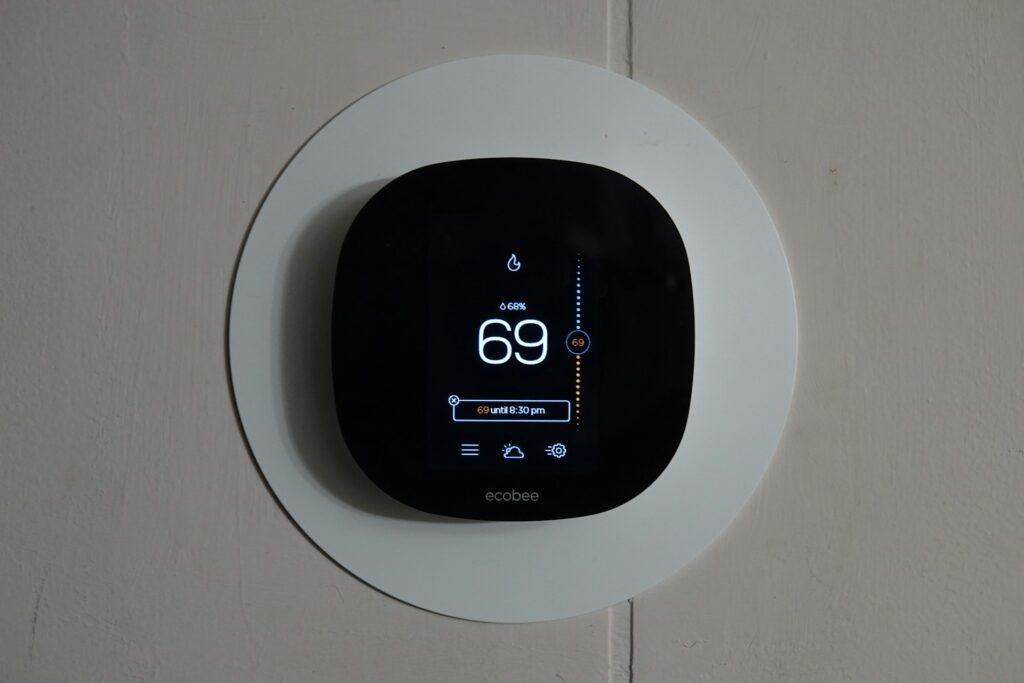
Utility bills can feel fixed, but there is usually some room to lower them without sacrificing comfort. You do not have to live in an uncomfortable house to save money. Small changes can make a difference, especially when they happen automatically.
A programmable or smart thermostat can help reduce heating and cooling costs when no one is home. Washing clothes in cold water, running full loads, sealing drafty areas, and switching to energy-efficient bulbs can also help over time. These changes are not exciting, but they are painless once they become part of your routine.
The key is to focus on changes you do not have to think about every day. If a habit feels annoying, you probably will not stick with it. But if it quietly lowers the bill in the background, it becomes an easy win.
Review Insurance Before You Renew

Insurance is one of those categories people often set and forget. Whether it is car, home, renters, or even certain protection plans, the monthly cost can creep up over time. Many people do not compare rates unless they are forced to, but reviewing your coverage once or twice a year can be worth it.
This does not mean you should automatically choose the cheapest policy. The goal is to make sure you are not overpaying for similar coverage. You may qualify for discounts based on bundling, safe driving, security systems, paperless billing, or paying in a different schedule.
It is also worth checking whether your current coverage still matches your life. If your car is older, your household has changed, or your needs are different than they were a few years ago, your policy may need an update.
Stop Paying Fees That Do Nothing for You
Bank fees, late fees, ATM fees, delivery fees, convenience fees, and service fees can chip away at your money without adding much value. Some fees are unavoidable, but many can be reduced with a little planning.
Setting up autopay for essential bills can help avoid late fees. Choosing a bank account without maintenance fees can save money every month. Picking up takeout instead of paying delivery fees can make a restaurant night less expensive without eliminating the treat. Even checking whether your credit card has an annual fee that still makes sense can be worthwhile.
These are not glamorous savings, but they matter because fees often provide no real lifestyle benefit. Cutting them is one of the easiest ways to keep more money without feeling like you gave anything up.
Keep the Comfort, Cut the Excess

Saving money does not have to mean stripping all the fun out of your life. The best budget changes are the ones that protect your comfort while removing waste. You can still have a good phone plan, enjoy your favorite shows, eat convenient meals, keep your home comfortable, and buy things you like. The difference is that you are choosing what is actually worth paying for.
Monthly bills are easy to ignore because they become part of the background. But when you look closely, there are usually a few places where money is going toward things you do not use, do not need, or would not choose again. Cutting those costs can make your budget feel better without making your life feel restricted.
A smarter monthly budget is not about doing less. It is about paying less for the same lifestyle you already enjoy.